



IUI (intrauterine insemination) is a procedure in which motile sperm, prepared in the laboratory, are placed into the uterus through a thin catheter at the time of ovulation. Fertilisation takes place inside the woman's body, as in natural conception; there is no embryo transfer.
IUI is a simpler and less invasive method than IVF. Its success rate varies with the couple's age, ovarian reserve and sperm quality, and it does not guarantee pregnancy.
DrHIT (Dr.HIT) Cyprus IVF Center is led by obstetrician-gynaecologist Dr. Halil İbrahim Tekin in Famagusta / Northern Cyprus.
What Is IUI Treatment?
IUI is a medical procedure used to help couples with infertility. Its aim is to increase the couple's chance of pregnancy. IUI is planned according to the woman's ovarian function and the man's sperm quality.
During treatment, the woman's ovaries may be stimulated with suitable medication when needed, and the developing follicles are monitored. At the same time, the man's sperm sample is processed in the laboratory to separate the motile sperm.
The prepared sperm are placed into the uterus with a thin catheter at the time of ovulation. Fertilisation takes place inside the woman's body, as in natural conception; IUI does not involve fertilisation in the laboratory or embryo transfer. A pregnancy test is done at the appropriate time after the procedure.
What Is the Purpose of IUI?
IUI is a treatment option offered to couples with infertility. Its aim is to increase the chance of pregnancy. It may be preferred in situations such as ovulation disorders, mild male factor or unexplained infertility. In IUI, carefully selected and prepared sperm are placed directly into the uterus during the ovulation period.
The purpose of IUI is to increase the chance of conceiving naturally. By imitating the natural cycle, it helps sperm move more easily and quickly towards the fallopian tubes to reach the egg. IUI is performed during the woman's ovulation period. During this time, the ovaries may be supported with medication when needed.
Another aim of IUI is to deliver sperm directly into the uterus. In natural conception, sperm may meet many obstacles on their way from the vagina to the uterus. By placing sperm directly into the uterus, IUI helps them bypass some of these obstacles.
How Is IUI Performed?
IUI may be an option for couples who cannot conceive naturally. The method involves placing laboratory-prepared sperm into the uterus at the time of ovulation.
IUI consists of several steps. First, it is important to determine the woman's ovulation period. This identifies the most suitable time for the procedure. The man's sperm sample is then collected, washed in the laboratory and the motile sperm are separated.
The prepared sperm are placed into the woman's uterus. The procedure is performed by a doctor and is usually painless. The sample placed into the uterus contains a higher concentration of motile sperm than unprocessed semen.
The IUI process can be summarised as follows:
- Determining the ovulation period
- Collecting and preparing the sperm
- Placing the sperm into the uterus
IUI is usually a simple procedure and is completed within a few minutes. It is important that couples follow the doctor's advice on timing and medication. Maintaining a healthy lifestyle, eating a balanced diet and avoiding stress may also be helpful.
What Does the IUI Process Involve?
IUI is carried out through a series of medical steps during the woman's ovulation period. It is a simpler and less invasive method than IVF treatment.
The IUI process is planned according to the woman's menstrual cycle. Whether the fallopian tubes are open is assessed before treatment starts. The process usually has three stages. The first stage is ovarian stimulation with medication when needed. During this time, follicle development is monitored by ultrasound.
In the second stage, when the follicles reach a suitable size, ovulation is triggered according to the timing set by the doctor. A trigger injection may be used for this.
In the third stage, the prepared sperm are placed into the uterus with a thin catheter at the time set by the doctor.
What Are the Risks of IUI?
IUI is used to help couples who have difficulty conceiving for various reasons. However, like any medical procedure, IUI has some risks:
- Ovarian hyperstimulation syndrome (OHSS): This syndrome, which can occur when the ovaries are overstimulated, is rare in IUI. It is characterised by enlarged ovaries and fluid build-up; symptoms may include severe abdominal pain, bloating, nausea and difficulty breathing.
- Risk of multiple pregnancy: The medications used in IUI may lead to the development of more than one egg. This increases the risk of twins or higher-order pregnancy. Multiple pregnancies can cause more health problems for the mother and babies.
- Infection and light bleeding: In rare cases, infection or light spotting may occur after the procedure.
| Things to Consider in IUI | Chance of Pregnancy with IUI | Duration of IUI |
|---|---|---|
| It is important for couples to have a detailed medical evaluation before IUI. Having the tests recommended by your doctor can increase the chance of pregnancy. | Success depends on the couple's age, ovarian reserve and sperm quality. In general, however, the success rate of IUI ranges from 10% to 20%. | IUI treatment usually takes a few weeks. During this time, it is important for couples to take their medication regularly, attend check-ups and follow the treatment plan. |
Couples should discuss this method with their doctor according to their health. Paying attention to the treatment process and following the doctor's advice can help minimise the risks.
What Are the Success Rates of IUI?
IUI is an assisted reproduction method that aims to increase the chance of pregnancy by placing prepared sperm into the uterus at the time of ovulation.
This treatment can help couples with various reproductive problems. Ovulation problems, mild male factor and unexplained infertility are among the situations in which IUI is considered. Where both fallopian tubes are blocked or there is a severe male factor, other treatments are usually needed.
The success of IUI can vary from couple to couple. Success rates depend on the couple's age, reproductive health and the treatment protocol used.
- The woman's age plays an important role. Success rates may be higher in younger women and may decrease with age.
- The couple's reproductive health also affects success. Ovulation, open fallopian tubes and adequate sperm quality are important.
- The medication used may also affect the outcome. Doses should be adjusted correctly and the treatment protocol applied appropriately.
As noted above, age is an important factor in IUI. It should be remembered that the same result cannot be guaranteed for every couple.
What Are the Signs of Pregnancy After IUI?
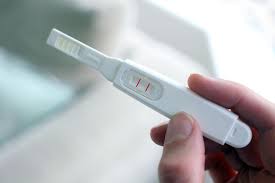 IUI is used to help couples who have difficulty conceiving naturally. If pregnancy occurs after IUI, various changes and signs of pregnancy may be noticed.
When pregnancy occurs, signs may appear within about 1-2 weeks. These signs differ from woman to woman. They may include breast tenderness, mild abdominal cramps, nausea and vomiting, tiredness, frequent urination, mood swings, changes in appetite and a missed period. Having or not having these signs does not on its own show whether you are pregnant.
For this reason, after IUI couples should confirm the result with a pregnancy test at the time recommended by the doctor and stay in regular contact with their doctor.
What Should Be Considered During IUI?
The aim of IUI is to make fertilisation easier and increase the chance of pregnancy. IUI is a procedure that follows the woman's ovulation and places sperm into the uterus at the right time. However, there are some important points couples undergoing IUI should pay attention to.
Before IUI, the couple's health and medical history should be carefully assessed. The woman's ovulation time should also be determined accurately. For this reason, ultrasound monitoring and hormone tests are done when needed.
Maintaining a healthy lifestyle is also important. Smoking, drinking alcohol and being overweight can reduce the chance of success. Smoking and alcohol should therefore be avoided, a healthy diet followed and regular exercise done.
- Health status should be assessed before IUI.
- The time of ovulation should be determined accurately.
- A healthy lifestyle should be maintained.
The treatment process can sometimes be emotionally challenging. It is important for couples to support each other and seek psychological counselling if needed.
It is also important to be aware of the risks of IUI. Although complications are rare, the most common risk is multiple pregnancy. Couples should therefore be informed about the risks before treatment and have realistic expectations.
In summary, assessing health status, determining the right ovulation time, a healthy lifestyle and emotional support are the main points to consider during IUI.
What Can Help IUI Work?
IUI is an assisted reproduction method used to increase couples' chance of pregnancy. It may be preferred as an option that is less complex and less costly than IVF. In IUI, prepared sperm are placed into the uterus at the time of ovulation and fertilisation takes place inside the woman's body.
To help IUI work, adopting a healthy lifestyle is important. A balanced diet, regular exercise and avoiding stress may be helpful. Harmful substances such as cigarettes and alcohol should be avoided and caffeine intake limited. Taking folic acid and other vitamins as recommended by the doctor is also beneficial for fertility health.
Throughout the treatment process, it is important to follow every step recommended by the doctor. IUI is planned according to the ovulation period. The sperm are prepared with a special method and placed into the uterus at the right time.
Patience is also needed. Not every IUI attempt results in pregnancy; more than one attempt may be needed. It is important for couples to support each other and go through this process together.
What Is the Chance of Getting Pregnant with IUI?
IUI is a method that allows sperm to reach the uterus at the right time during the woman's ovulation period. It may help some couples who have difficulty conceiving naturally.
In IUI, egg development is monitored during the ovulation period, either in a natural cycle or with medication. Sperm from the partner or from a sperm bank are then prepared with a special process and placed into the uterus at the most suitable time. Fertilisation takes place inside the woman's body.
The success rates of IUI can vary depending on several factors. These include the couple's age, the woman's ovarian reserve, sperm quality and previous treatment experience. In general, pregnancy rates with IUI range from 10% to 20%.
To improve the chance of success, couples should pay attention to a few points:
- IUI should be performed at the right time.
- It is important for the couple to adopt a healthy lifestyle.
- Reducing stress may be helpful.
- Regular check-ups and follow-up should be done during treatment.
| Risks | Factors Affecting Success |
|---|---|
| Risk of infection | The couple's ages |
| Risk of multiple pregnancy | The woman's ovarian reserve |
| Risk of ectopic pregnancy | Sperm quality |
| Hormonal side effects during treatment | Previous treatment experience |
How Long Does IUI Treatment Take?
IUI may be an option for couples who cannot conceive naturally or who have not had results from other treatments. The treatment consists of several stages, and the length of each stage may vary depending on the couple's situation.
The first step is to identify the cause of infertility and create a suitable treatment plan. This stage may take about 1-2 weeks, as the couple needs a detailed evaluation. Factors such as medical history, hormone levels, the ovulation cycle, the condition of the fallopian tubes and sperm quality are assessed.
The next stage is to determine the ovulation period. Various methods are used to monitor ovulation, and this usually takes a few days. The IUI procedure itself is completed within a few minutes.
How Many Days Should You Rest After IUI?
In IUI, ovulation is controlled with medication when needed and the prepared sperm are placed into the uterus at the right time. A treatment cycle usually takes about 1-2 weeks.
Prolonged bed rest is generally not necessary after IUI. After a short rest following the procedure, you can return to light daily activities.
If your doctor gives different advice based on your personal situation, that advice should be followed.
Frequently Asked Questions About IUI Treatment
What is IUI treatment?
IUI (intrauterine insemination) is a procedure in which laboratory-prepared motile sperm are placed into the uterus with a thin catheter at the time of ovulation. Fertilisation takes place inside the woman's body; there is no embryo transfer.
What is the difference between IUI and IVF?
In IUI, sperm are placed into the uterus and fertilisation takes place inside the body. In IVF, eggs are collected, fertilised in the laboratory and the resulting embryo is transferred to the uterus. IUI is a simpler and less invasive method than IVF.
Who can have IUI?
IUI may generally be considered in situations such as ovulation disorders, mild male factor or unexplained infertility. Suitability is decided according to the woman's age, ovarian reserve, the condition of the fallopian tubes and sperm quality.
Can IUI be done if the fallopian tubes are blocked?
IUI is not suitable when both fallopian tubes are completely blocked; these couples usually need other treatments. The condition of the tubes is assessed before treatment starts.
What is the chance of getting pregnant with IUI?
Success depends on the couple's age, ovarian reserve and sperm quality. In general, pregnancy rates with IUI range from 10% to 20%.
Is IUI painful?
IUI is performed by a doctor with a thin catheter, takes a few minutes and is usually painless.
How long does IUI treatment take?
A treatment cycle usually takes about 1-2 weeks. The length of the preliminary evaluation, ovulation monitoring and procedure stages may vary depending on the couple's situation; the procedure itself is completed within a few minutes.
Do I need to rest after IUI?
Prolonged bed rest is generally not necessary. After a short rest following the procedure, you can return to light daily activities. If your doctor gives different advice, it should be followed.
What are the risks of IUI?
The most common risk is multiple pregnancy. Rarely, ovarian hyperstimulation syndrome (OHSS), infection, light bleeding and ectopic pregnancy may occur.
When do pregnancy symptoms start after IUI?
If pregnancy occurs, signs may appear within about 1-2 weeks. However, having or not having symptoms does not on its own show pregnancy; the result should be confirmed with a pregnancy test at the time recommended by the doctor.
Does IUI work on the first try?
Not every IUI attempt results in pregnancy; more than one attempt may be needed. IUI does not guarantee pregnancy.