


Egg and Sperm Freezing
Egg and Sperm Freezing
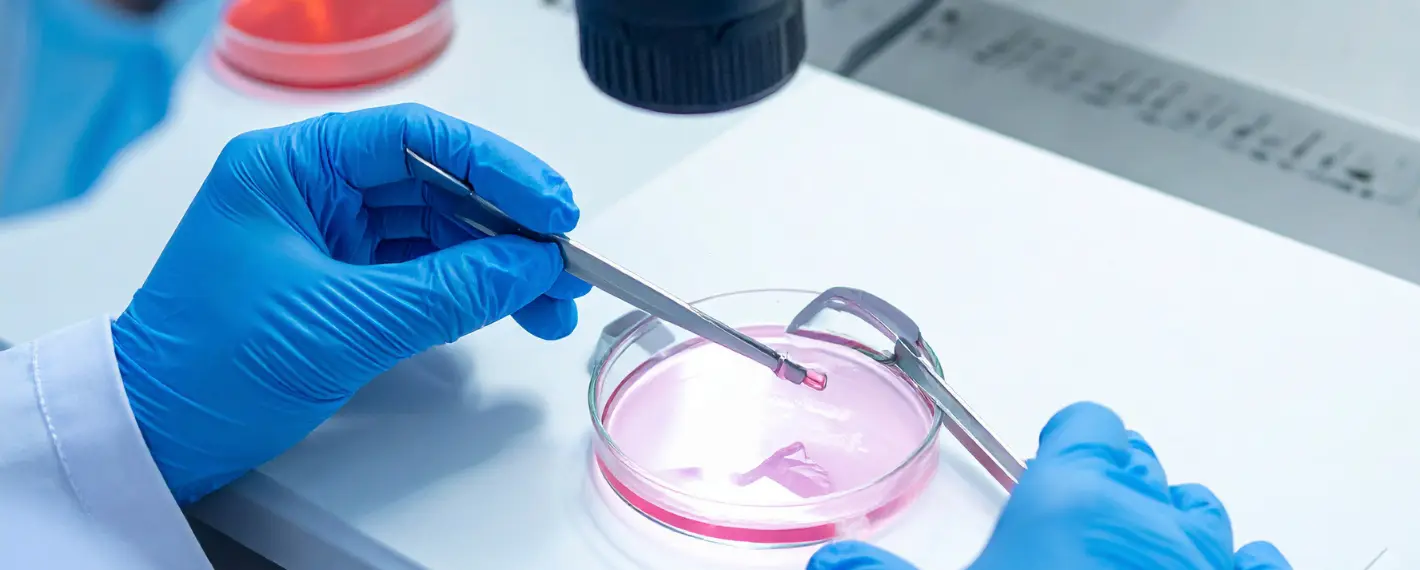
Egg and sperm freezing are fertility preservation techniques used during assisted reproductive treatments. These procedures allow reproductive cells (gametes) or embryos to be preserved for future use.
Embryo and sperm freezing have been successfully used for many years. Egg freezing, however, was technically more difficult in the past due to the unique biological structure of the egg cell. Today, modern laboratory techniques and advanced freezing solutions have significantly improved success rates.
At DrHIT Cyprus IVF Center, egg and sperm freezing are performed using advanced laboratory technology and internationally recognized fertility preservation protocols.
Why Are Eggs and Embryos Frozen?
Eggs, sperm, or embryos may be frozen for several medical or personal reasons during fertility treatment. Common situations include:
- Preserving excess embryos during IVF treatment
- Preparing the uterus (endometrium) for embryo transfer
- Preventing complications such as Ovarian Hyperstimulation Syndrome (OHSS)
- Fertility preservation before medical treatments
While sperm and embryo freezing have long achieved high success rates, egg freezing has only recently reached similar effectiveness thanks to modern techniques.
Technical Challenges of Egg Freezing
The egg cell is the largest cell in the human body and has a complex internal structure. Its cytoplasm — the gel-like substance surrounding the nucleus — contains delicate genetic material that can be sensitive to freezing.
During the freezing process, the fluid inside the cell can form ice crystals. These crystals may damage cellular structures and genetic components. For this reason, special techniques are used to remove water from the cell before freezing and replace it with protective cryoprotectant solutions.
This process helps prevent ice crystal formation and allows the egg to undergo a process known as vitrification, or glass-like freezing.
Egg Freezing Techniques
Two main techniques have been used for freezing eggs in fertility treatment.
Slow Freezing
In the traditional slow-freezing method, eggs are gradually cooled in specialized freezing solutions before being placed into liquid nitrogen at approximately -196°C.
Although slow freezing was effective for sperm and embryos, it produced lower success rates for egg freezing and is now largely replaced by modern techniques.
Vitrification (Rapid Freezing)
Vitrification is the modern technique used for egg freezing today. In this method, eggs are rapidly cooled from room temperature to extremely low temperatures within seconds.
This ultra-rapid freezing process prevents the formation of damaging ice crystals and significantly improves survival rates after thawing.
Thanks to vitrification, frozen eggs can now achieve high fertilization and pregnancy success rates comparable to fresh eggs.
Who Can Benefit from Egg Freezing?
Egg freezing may be recommended for several groups of patients, including:
- Women who wish to postpone motherhood for career or personal reasons
- Patients undergoing chemotherapy or radiotherapy for cancer
- Women who want to preserve fertility before medical treatment
- Patients undergoing IVF where sperm is temporarily unavailable
In some cases, eggs can also be collected and frozen over multiple treatment cycles to increase the number of available eggs before fertilization.
How Are Eggs Collected for Freezing?
Before egg freezing, the ovaries are stimulated using medications to promote egg development. This process is known as ovulation induction.
Egg development is monitored through ultrasound and hormone testing. Once the follicles reach the appropriate size, egg retrieval is performed.
The procedure is performed under anesthesia and usually takes around 10–15 minutes. During the procedure, the follicles are aspirated using a thin needle guided by ultrasound.
The collected eggs are examined under a microscope, and mature eggs are selected for freezing.
Finally, the eggs are preserved in liquid nitrogen using vitrification, allowing them to remain stable for long periods.
How Long Can Frozen Eggs Be Stored?
Frozen eggs are stored in liquid nitrogen at extremely low temperatures. At these temperatures, biological activity stops completely.
Current scientific evidence suggests that eggs can remain viable for many years when stored properly in specialized fertility laboratories.
Many clinics report successful pregnancies even after several years of storage.
Conclusion
Egg and sperm freezing are important fertility preservation methods used in modern reproductive medicine. Thanks to advanced techniques such as vitrification, the survival and success rates of frozen eggs have improved significantly.
At DrHIT Cyprus IVF Center, these procedures are performed by experienced embryologists using modern laboratory protocols designed to maximize patient safety and treatment success.