


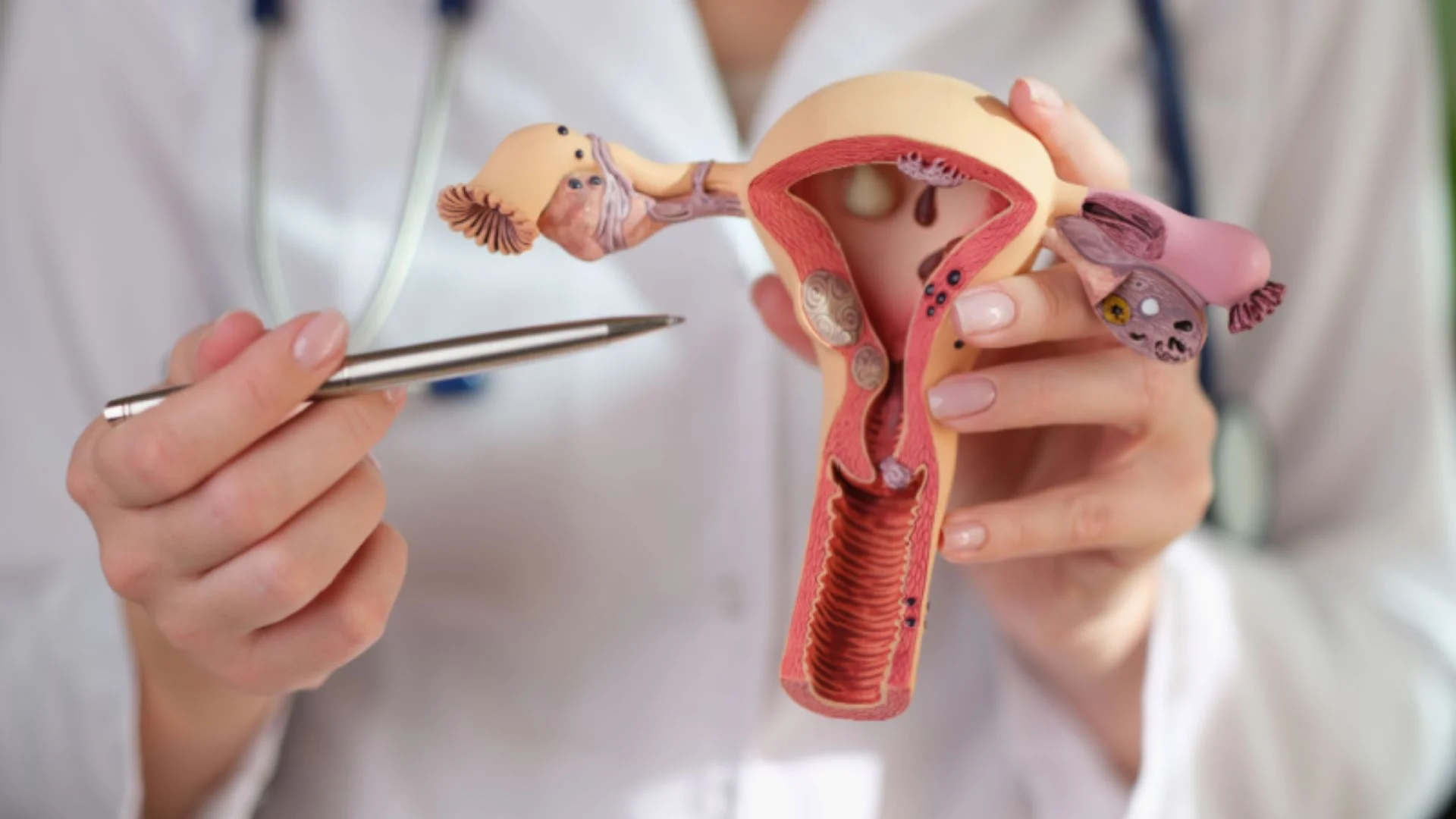
What Is Vaginismus? Causes, Symptoms, and Treatment
In short: Vaginismus is when the muscles around the vagina tighten on their own. This can make sex, using tampons or a pelvic exam painful or impossible. It is common and treatable. Education, counselling, pelvic floor therapy and gradual dilation help many women improve or fully recover. Women with vaginismus can have children.
What Is Vaginismus? Causes, Symptoms and Treatment
Vaginismus is a sexual health condition. Many women have it, but it is often hard to talk about.
In vaginismus, the muscles around the vagina tighten without control. This can make sex, using tampons or a gynecological exam painful or even impossible. It can affect your sex life, emotions and quality of life. But with the right treatment and support, it can be managed well.
How Vaginismus Works
Vaginismus is the involuntary tightening of the muscles around the vagina, mainly the pelvic floor muscles. It usually happens when something tries to enter the vagina. This includes sex, a tampon or a medical exam. The tightening can cause pain, fear or make entry impossible.
Vaginismus does not mean a woman has no sexual desire. Often, desire and arousal are still there. The main problem is the body’s automatic muscle response. It can be linked to physical or emotional factors.
It can range from mild discomfort to being unable to allow any entry. Some women have it only during sex. Others also have trouble with tampons or medical exams.
Causes of Vaginismus
The exact cause is not always clear. In many women, it comes from a mix of emotional and physical factors.
Emotional Causes
- Fear and anxiety: Fear that entry will hurt is one of the most common causes. This fear can make the muscles tighten.
- Culture and society: In some cultures, negative beliefs about sex or virginity can cause anxiety and fear.
- Lack of sex education: Women who know little about their bodies and sexual health may feel confused, afraid or stressed.
- Past trauma: Sexual abuse, rape or painful medical experiences can play a part.
Physical Causes
- Infections: Vaginal or urinary infections can cause pain and lead to fear of entry.
- Endometriosis: Pelvic pain from endometriosis may be linked to vaginismus.
- Past surgery: Surgery on the vagina or pelvis can lead to pain, tension or fear.
- Hormone changes: Menopause or other hormone changes can affect comfort and sensitivity.
Symptoms of Vaginismus
The main symptom is the vaginal muscles tightening on their own when entry is tried. This can lead to:
- pain or burning during entry
- trouble using tampons, menstrual cups or vaginal applicators
- pain during a gynecological exam, or not being able to finish it
- pain during sex
- fear or anxiety about entry
Women with vaginismus can still feel arousal and have orgasms. The problem is with entry, not with desire itself.
Types of Vaginismus
Vaginismus is grouped by when it starts and when it happens:
- Primary vaginismus: Entry has always been hard or impossible. It is often noticed at the first try at sex or tampon use.
- Secondary vaginismus: Entry was possible before, but problems started later. This may be due to trauma, pain, infection or another medical reason.
- Global vaginismus: The problem happens in every situation that involves entry.
- Situational vaginismus: The problem happens only in some situations. For example, during sex but not during a medical exam, or the other way around.
Diagnosis of Vaginismus
A doctor usually diagnoses vaginismus with a clinical check. This includes a detailed talk about your symptoms, sexual history, any past trauma and your medical background.
A pelvic exam may be suggested to rule out other problems. These include infection, structural problems or endometriosis. This exam can be hard for women with vaginismus. So good communication and a gentle approach are very important.
Sometimes a psychological assessment is also suggested. It helps the doctor understand fear, anxiety or trauma.
Treatment Options for Vaginismus
Vaginismus is treatable. Many women get much better with the right care. Treatment often combines several methods.
Education and Counselling
Learning about your body, the pelvic floor and how the body reacts to anxiety can lower fear. Counselling can also correct false beliefs about sex and build confidence.
Cognitive behavioural therapy (CBT) can help reduce fear and anxiety. Couples counselling may help if the condition affects the relationship.
Pelvic Floor Physical Therapy
This therapy helps women become aware of their muscles and learn to relax them. Exercises, guided relaxation and biofeedback can improve muscle control over time.
Gradual Dilation
This method uses vaginal dilators that slowly get bigger. It helps the body get used to entry in a slow and controlled way. It is best done with professional guidance.
Relaxation Techniques
Deep breathing, yoga and meditation can lower body tension and stress. They work well as part of a wider treatment plan.
Medicines and Other Treatments
In some cases, doctors may use muscle relaxants or anti-anxiety medicines. In severe cases that do not respond to other treatment, botulinum toxin (Botox) injections may be considered. Every plan should be personal.
Common Treatments and Their Benefits
The right method depends on the cause and how severe the condition is:
- Education and counselling: lowers fear and improves understanding of sexual health.
- Pelvic floor physical therapy: improves muscle awareness and control.
- Gradual dilation: helps the muscles adjust to entry slowly and safely.
- Relaxation techniques: lower stress and relax the muscles.
- Medicines or advanced treatments: may be used in some severe cases.
Living With Vaginismus
Living with vaginismus can be hard emotionally. But remember: treatment works, and many women get better. Open talk with your partner can lower stress and build support.
Be patient, because treatment often takes time. Do not blame yourself. Emotional support, correct information and the right care can make a big difference.
It may also help to remember that closeness and sexual pleasure are not only about entry. A wider view of intimacy can take pressure off during treatment.
Conclusion
Vaginismus is a complex but treatable condition. It can affect sexual health, emotions and relationships. It involves muscle tightening during entry, and both physical and emotional factors can play a part.
With the right mix of medical care, counselling, physical therapy and gradual methods, many women improve a lot or recover fully. If you have symptoms, getting professional help is an important and positive step.
Frequently Asked Questions
Can vaginismus be fully cured?
Yes. Many women improve a lot or recover fully with the right treatment.
Is vaginismus common?
It is more common than many people think. Exact numbers are hard to know because many women do not seek help.
Can women with vaginismus have children?
Yes. Women with vaginismus can have children. Some may need medical support or treatment first.
Does vaginismus go away on its own?
Mild cases may improve with education and relaxation. But many women benefit from professional treatment.
Is vaginismus only psychological?
No. It is a real physical muscle response. But emotional factors often play an important role.