
Popup Görseli

Category: Blog

Home Blog

IVF Cost in Cyprus

Cyprus has become one of the most popular destinations for fertility treatments in Europe. Thousands of international patients travel to Cyprus every year because of its high IVF success rates, advanced fertility technologies and competitive treatment prices. Compared to countries like the UK, Germany or France, IVF treatment in Cyprus is significantly more affordable while maintaining world-class medical standards. Average IVF Cost in Cyprus The average cost of IVF treatment in Cyprus typically ranges between: Treatment Average Cost Standard IVF €3,500 – €5,500 IVF with ICSI €4,000 – €6,000 Egg Donation IVF €6,000 – €9,000 Gender Selection IVF €7,000 – €10,000 PGT Genetic Testing €2,000 – €3,500 The exact cost depends on the treatment plan, medications, laboratory procedures and individual medical needs. What Is Included in IVF Treatment Cost? Most fertility clinics in Cyprus offer packages that may include: Initial medical consultation Hormone tests and fertility assessment Ultrasound monitoring Egg retrieval procedure Fertilization in the IVF laboratory Embryo culture and monitoring Embryo transfer procedure However, medications and genetic testing may sometimes be charged separately. Why IVF in Cyprus Is More Affordable There are several reasons why fertility treatments in Cyprus cost less than in Western Europe: Lower operational costs for clinics Competitive fertility treatment market Government support for medical tourism Advanced IVF laboratories with efficient procedures Despite the lower prices, many clinics in Cyprus maintain international medical standards and certifications. IVF Success Rates in Cyprus Success rates depend on multiple factors such as: age of the patient egg quality sperm quality previous fertility treatments use of donor eggs Generally, IVF success rates in Cyprus clinics range between 55% and 75% per cycle, especially for younger patients or treatments using donor eggs. Additional Costs to Consider When planning IVF treatment abroad, patients should also consider: travel expenses accommodation medications genetic testing (PGT) embryo freezing and storage Many clinics assist international patients with travel and accommodation arrangements. Why Many Couples Choose Cyprus for IVF Cyprus is a leading fertility treatment destination because of: high success rates experienced fertility specialists advanced embryo laboratories shorter waiting times legal availability of treatments like egg donation and gender selection For these reasons, Cyprus attracts patients from the UK, Europe, the Middle East and many other regions. When Should You Consider IVF? Couples may consider IVF treatment if they experience: unexplained infertility blocked fallopian tubes low sperm count repeated IVF failure advanced maternal age A fertility specialist can evaluate your condition and recommend the most suitable treatment. Conclusion IVF treatment in Cyprus offers a combination of high success rates, advanced fertility technology and competitive pricing. For many couples seeking fertility treatment abroad, Cyprus provides an effective and accessible solution to start their family journey. Frequently Asked Questions About IVF Cost in Cyprus How much does IVF cost in Cyprus? The average cost of IVF treatment in Cyprus ranges between €3,500 and €6,000 per cycle depending on the clinic, treatment type and medications required. More advanced treatments such as egg donation IVF or gender selection may cost between €6,000 and €10,000. Compared with many Western European countries, IVF in Cyprus is significantly more affordable while still offering high medical standards and modern fertility laboratories. Why is IVF cheaper in Cyprus? IVF treatment in Cyprus is often more affordable because clinics operate with lower overall healthcare costs while still maintaining international medical standards. Other reasons include: competitive fertility clinic market medical tourism support efficient IVF laboratory technologies experienced fertility specialists These factors allow clinics to offer high-quality fertility treatments at lower prices compared to the UK, Germany or the United States. Is IVF in Cyprus safe? Yes. Many fertility clinics in Cyprus follow international healthcare standards and operate advanced embryology laboratories. Patients often choose Cyprus because of: experienced IVF specialists modern fertility technology high success rates shorter waiting times However, it is always recommended to choose a clinic with strong experience, qualified doctors and transparent success rates. What factors affect IVF success rates? IVF success rates depend on several medical factors, including: the age of the patient egg and sperm quality overall reproductive health previous fertility treatments the use of donor eggs Younger patients generally have higher success rates, while treatments using donor eggs may also significantly increase the chances of pregnancy. How long does IVF treatment take in Cyprus? Most IVF treatment cycles take approximately 2 to 3 weeks from the beginning of ovarian stimulation to embryo transfer. International patients usually stay in Cyprus for 7–10 days, depending on the treatment plan and medical evaluation. Do international patients travel to Cyprus for IVF? Yes. Cyprus has become one of the most popular destinations for fertility tourism. Every year, many couples from the UK, Europe and the Middle East travel to Cyprus for fertility treatments. Patients choose Cyprus because of: high IVF success rates experienced fertility doctors advanced IVF laboratories shorter waiting times more accessible treatment options


Early Menopause Treatment

Early Menopause: Treatment and Symptoms Early menopause is defined as the cessation of menstrual cycles before the age of 40. Unlike natural menopause, early menopause often occurs unexpectedly and can significantly affect both the physical and emotional well-being of women. In most cases, the condition cannot be reversed. However, in certain situations, menstrual cycles may temporarily resume, and pregnancy may still be possible. The primary goal of early menopause treatment is to help women manage symptoms comfortably and improve their quality of life. Thanks to advances in medical technology, women experiencing early menopause today have improved chances of achieving pregnancy through assisted reproductive techniques. Medical Treatment Options Hormone replacement therapy (HRT) is one of the most common treatments for early menopause. This therapy restores hormones such as estrogen and progesterone to the body and aims to relieve menopausal symptoms. Treatment must always be individualized based on the patient’s medical evaluation. Detailed laboratory tests and examinations are required before initiating therapy, and hormone treatment should never be started without medical supervision. For women who wish to conceive, fertility treatments may offer additional options. These include in vitro fertilization (IVF) and egg donation programs. However, eligibility depends on overall health, ovarian reserve status, and hormone levels. Lifestyle Adjustments and Home-Based Support In addition to clinical treatments, lifestyle modifications play a crucial role in managing early menopause symptoms. Disruptions in lifestyle habits may worsen the condition. Recommended lifestyle changes include: Stress management: Maintaining a positive emotional state can help reduce symptoms. Emotional support: Support from family and friends can significantly improve mental well-being. Balanced nutrition: Calcium-rich foods help protect bone health. Regular exercise: Physical activity helps manage both physical and psychological symptoms. Quitting smoking and limiting alcohol: These habits negatively affect hormonal balance and may worsen symptoms. These supportive measures complement medical treatments and contribute to a more comfortable transition. Symptoms of Early Menopause Early menopause may present with a variety of symptoms, including: Irregular menstrual cycles Heavy menstrual bleeding Shortened or prolonged periods Intermenstrual spotting Increasing intervals between menstrual cycles Women experiencing these symptoms should consult a gynecologist for proper evaluation, as these signs may also indicate other medical conditions. Accurate diagnosis is essential for determining the appropriate treatment plan.   Emotional Impact of Early Menopause Beyond physical symptoms, early menopause may lead to emotional challenges. Women may experience feelings of depression, anxiety, or inadequacy. The reduced likelihood of natural conception can also cause significant emotional distress. Psychological counseling and support groups can be beneficial in coping with these changes. Modern Medicine and Early Menopause Recent medical advancements offer promising developments in early menopause management. Emerging treatments such as stem cell therapies and genetic research may provide innovative solutions in the future. However, these treatments are still under clinical investigation and should only be pursued under specialist supervision. Specialized fertility clinics provide up-to-date and personalized treatment options to help women manage early menopause more comfortably. With experienced medical teams and advanced technology, individualized care plans can be developed to address each patient’s unique needs. Early menopause represents a significant life transition for women. With appropriate medical guidance, lifestyle adjustments, and emotional support, its effects can be effectively managed. Modern medical approaches combined with supportive care allow women experiencing early menopause to maintain a healthy and fulfilling life. ❓ What is early menopause? Early menopause occurs when a woman stops having menstrual periods before the age of 40. It may happen naturally or due to medical treatments, genetic conditions, or autoimmune disorders. ❓ What are the symptoms of early menopause? Common early menopause symptoms include: Irregular or missed periods Hot flashes Night sweats Vaginal dryness Mood changes Decreased fertility Recognizing symptoms early helps improve treatment outcomes. ❓ Can early menopause be treated? Yes. Early menopause treatment focuses on managing symptoms and protecting long-term health. Treatment options may include: Hormone Replacement Therapy (HRT) Lifestyle modifications Calcium and vitamin D supplementation Fertility support if needed ❓ Is hormone therapy safe for early menopause? Hormone therapy is generally recommended for women with early menopause until the natural age of menopause (around 50–51), unless contraindicated. It helps reduce symptoms and protect bone and heart health. ❓ Can you get pregnant after early menopause? Spontaneous pregnancy is rare but possible in some cases. Fertility treatments such as IVF with donor eggs may be an option depending on ovarian function. ❓ What happens if early menopause is not treated? Untreated early menopause may increase the risk of: Osteoporosis Cardiovascular disease Cognitive changes Early diagnosis and proper treatment are important for long-term health.

Low Ovarian Reserve

Low Ovarian Reserve Low ovarian reserve means the ovaries have fewer remaining eggs than expected for age. The key goal is to move efficiently toward pregnancy planning, because egg quantity can continue to decline over time. What Is the Most Appropriate Treatment Approach? For many patients, the most appropriate approach is to aim for pregnancy as soon as possible. Having embryos that can be frozen and stored may offer important advantages for future family planning. Although some people may conceive naturally without treatment, delaying too long can further reduce ovarian function and make later attempts more difficult. For this reason, IVF is commonly recommended for patients with diminished ovarian reserve, especially when time is a critical factor. How Does Treatment Differ from Standard IVF? Patients with reduced egg reserve often need an individualized plan rather than a standard IVF protocol. While the most obvious issue is the limited number of eggs, egg quality can also be affected. In some cases, embryo development may be compromised, and underlying genetic factors may play a role. Patients should be informed early that: Multiple IVF cycles may be necessary. Embryos may be accumulated and frozen for later transfer. Embryo transfer may be delayed for one or two months. Genetic testing (PGT) may be recommended to evaluate embryo quality. Unlike standard IVF where high-dose medications are used to obtain many eggs, patients with poor ovarian response may benefit from minimal stimulation protocols. This can involve lower medication doses or oral treatments, sometimes called mini IVF. Use of Very Low-Dose Medications In conventional IVF, high doses of stimulation medications are often used to retrieve multiple eggs and select the healthiest embryo. However, in patients with reduced ovarian reserve, very high stimulation may not always improve outcomes and may negatively affect egg/embryo development in some cases. Newer approaches may focus on very low-dose stimulation, natural cycle IVF, or retrieving one or two eggs per cycle to prioritize embryo quality. Embryos can then be accumulated, frozen, and—when appropriate—genetically tested to improve the likelihood of selecting a healthy embryo for transfer. Recommendations for Patients Patients diagnosed with reduced egg quantity should stay calm and seek care at a specialized fertility center. Early evaluation and a time-sensitive plan can be critical. For single women: egg freezing can be an effective option to preserve fertility for future use (within local legal regulations). For couples not ready for pregnancy: creating and freezing embryos through IVF may allow transfer at a more suitable time. In addition to medical treatment, healthy lifestyle choices, improved nutrition, stress reduction, and regular follow-up with healthcare providers can support better outcomes. With early diagnosis, the right strategy, and personalized fertility planning, low ovarian reserve can be managed more effectively. ❓ What does low ovarian reserve mean? Low ovarian reserve means a woman has fewer remaining eggs than expected for her age. It does not always mean infertility, but it may reduce pregnancy chances. ❓ Can you get pregnant with low ovarian reserve? Yes, pregnancy is still possible. Many women conceive naturally or with fertility treatments such as IVF, depending on egg quality and age. ❓ What AMH level indicates low ovarian reserve? An AMH level below 1.0 ng/mL is often considered low, but interpretation depends on age and clinical evaluation. ❓ What is the best treatment for low ovarian reserve? Treatment may include IVF, ovarian stimulation protocols, lifestyle optimization, and in some cases, egg donation. ❓ Does low ovarian reserve mean early menopause? Not necessarily. It indicates reduced egg quantity but does not always mean menopause is near. ❓ How is low ovarian reserve diagnosed? Low ovarian reserve is diagnosed through fertility testing, including: AMH (Anti-Müllerian Hormone) blood test Antral follicle count (AFC) via ultrasound FSH and estradiol hormone levels These tests help determine egg quantity and guide treatment planning. ❓ What causes low ovarian reserve? Common causes of low ovarian reserve include: Aging (most common factor) Genetic conditions Autoimmune disorders Previous ovarian surgery Chemotherapy or radiation treatment In some women, the cause remains unknown. ❓ Can lifestyle changes improve low ovarian reserve? Lifestyle changes cannot increase egg quantity, but they may improve overall reproductive health. Maintaining a healthy weight, avoiding smoking, reducing stress, and following a nutrient-rich diet can support fertility outcomes.

Blocked Fallopian Tubes

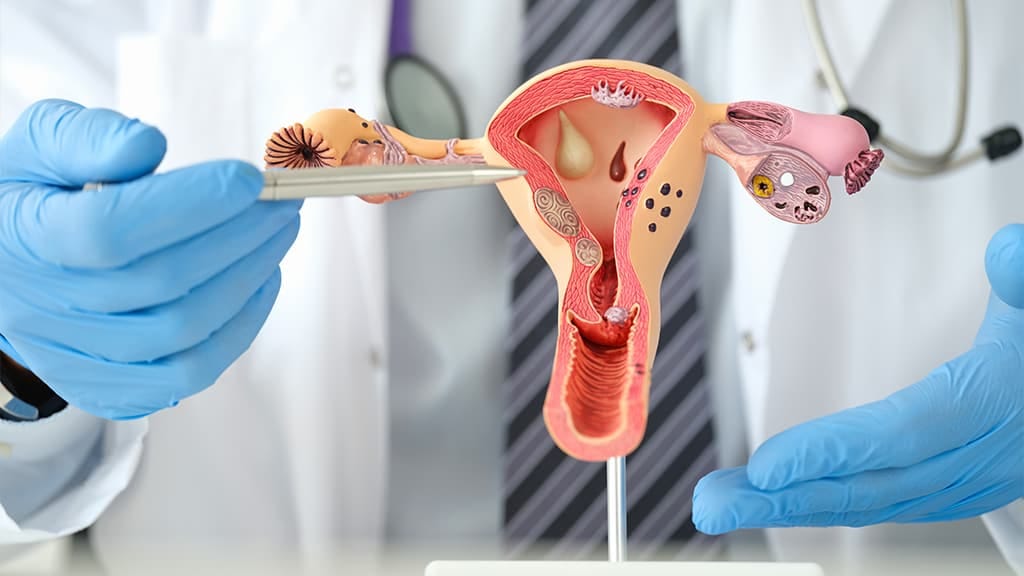
For pregnancy to occur naturally, the fallopian tubes must be open. The tubes are responsible for capturing the egg, allowing it to meet the sperm, and enabling fertilization to take place. If one of the fallopian tubes is blocked, natural conception becomes more difficult but is still possible. However, if both tubes are blocked, the egg and sperm cannot meet, and natural pregnancy is not possible unless the blockage is treated. Approximately 30% of female infertility cases are caused by blocked fallopian tubes. In the 1970s, surgical treatment for blocked tubes was performed through open microsurgery. However, over the past 15 years, these procedures have increasingly been performed laparoscopically (minimally invasive or closed surgery). Laparoscopic microsurgery allows all treatments that were once performed via open surgery to be completed using minimally invasive techniques. Women who cannot conceive naturally due to blocked tubes may undergo laparoscopic surgery to reopen them. After successful laparoscopic surgery, the chance of achieving natural pregnancy within the first year is approximately 60%. How Are Blocked Tubes Opened? Surgical treatment for blocked fallopian tubes can be performed either by laparoscopy or laparotomy. In laparoscopy, a small incision is made below the navel, and a thin telescope-like instrument (laparoscope) is inserted into the abdominal cavity. A camera attached to the laparoscope transmits images of the reproductive organs, including the fallopian tubes, to a monitor. Additional small incisions are made to insert miniature surgical instruments used during the procedure. With these small incisions and fine instruments, blocked tubes can be treated without compromising the patient’s aesthetic appearance. In contrast, laparotomy involves making a larger abdominal incision to perform open surgery, a method that is rarely preferred today. Should Blocked Tubes Be Opened or Should IVF Be Performed? For couples who cannot conceive naturally due to blocked tubes, the first recommended approach should generally be laparoscopic surgery to reopen the tubes. Although in some countries IVF is immediately suggested for women with blocked tubes, in many European practices the preferred first step is laparoscopic correction. After laparoscopic surgery, couples are encouraged to attempt natural conception for a period of time. Within the first year following surgery, approximately 60% of women may achieve pregnancy naturally. In contrast, IVF treatment may require multiple attempts if pregnancy is not achieved in the first cycle. Each attempt involves additional costs and medication use. If natural pregnancy does not occur within 1–2 years after tube-opening surgery, IVF treatment may then be considered. Is Laparoscopy Recommended in Every Case of Blocked Tubes? No. Not every patient with blocked or damaged tubes is a candidate for laparoscopic surgery. If the tubes are severely damaged, swollen, filled with fluid (hydrosalpinx), or partially removed, laparoscopic surgery may not be beneficial. In cases of significant damage, reopening the tubes or removing adhesions may not improve fertility outcomes. Severely damaged tubes may either prevent pregnancy altogether or increase the risk of recurrent ectopic pregnancies. In such cases, IVF treatment may provide a better chance of conception. In women with severely damaged tubes, complete removal of the tubes via laparoscopy may be recommended before IVF. What Are the Risks of Tube-Opening Surgery? As with any surgical procedure, tube-opening surgery carries certain risks. One potential complication is ectopic pregnancy (when a pregnancy implants within the fallopian tube). This risk is higher in women whose tubes were previously damaged. Women who are aware of tubal damage should consult a doctor immediately if they experience delayed menstruation or suspect pregnancy. Early diagnosis allows prompt intervention in case of ectopic pregnancy. Why Do Fallopian Tubes Become Blocked? Blocked tubes may result from reproductive tract infections, abdominal surgeries, endometriosis, or other pelvic inflammatory conditions. Adhesions within the tubes may develop due to sexually transmitted infections or intrauterine devices. Additionally, tuberculosis and ruptured appendicitis can cause infections that affect the fallopian tubes. Adhesions inside the tubes can damage their natural structure, preventing the egg and sperm from meeting. As a result, natural conception becomes impossible. Frequently Asked Questions What does it mean to have blocked fallopian tubes? Blocked fallopian tubes mean that one or both tubes connecting the ovaries to the uterus are partially or completely obstructed. Since fertilization usually occurs inside the tubes, a blockage can prevent sperm and egg from meeting naturally. Can you get pregnant with blocked fallopian tubes? Natural pregnancy may not be possible if both tubes are fully blocked. However, if only one tube is open, pregnancy can still occur. In cases of bilateral blockage, IVF treatment can help achieve pregnancy by bypassing the tubes. What causes fallopian tube blockage? Common causes include pelvic inflammatory disease (PID), previous pelvic infections, endometriosis, abdominal or pelvic surgery, scar tissue formation, and ectopic pregnancy. In some cases, the exact cause may not be identified. What are the symptoms of blocked fallopian tubes? Many women do not experience noticeable symptoms. In some cases, pelvic pain or discomfort may occur, especially if the blockage is associated with hydrosalpinx (fluid buildup in the tube). How are blocked tubes diagnosed? Diagnosis is typically made through hysterosalpingography (HSG), ultrasound imaging, or laparoscopy. These tests help determine whether the tubes are open and functioning properly. Is IVF necessary if the tubes are blocked? If both tubes are completely blocked or severely damaged, IVF is often the most effective treatment option because fertilization occurs outside the body and does not require tubal function.

1 2 5