Popup Görseli

Category: Genel

Home Genel

Embryo Freezing in IVF

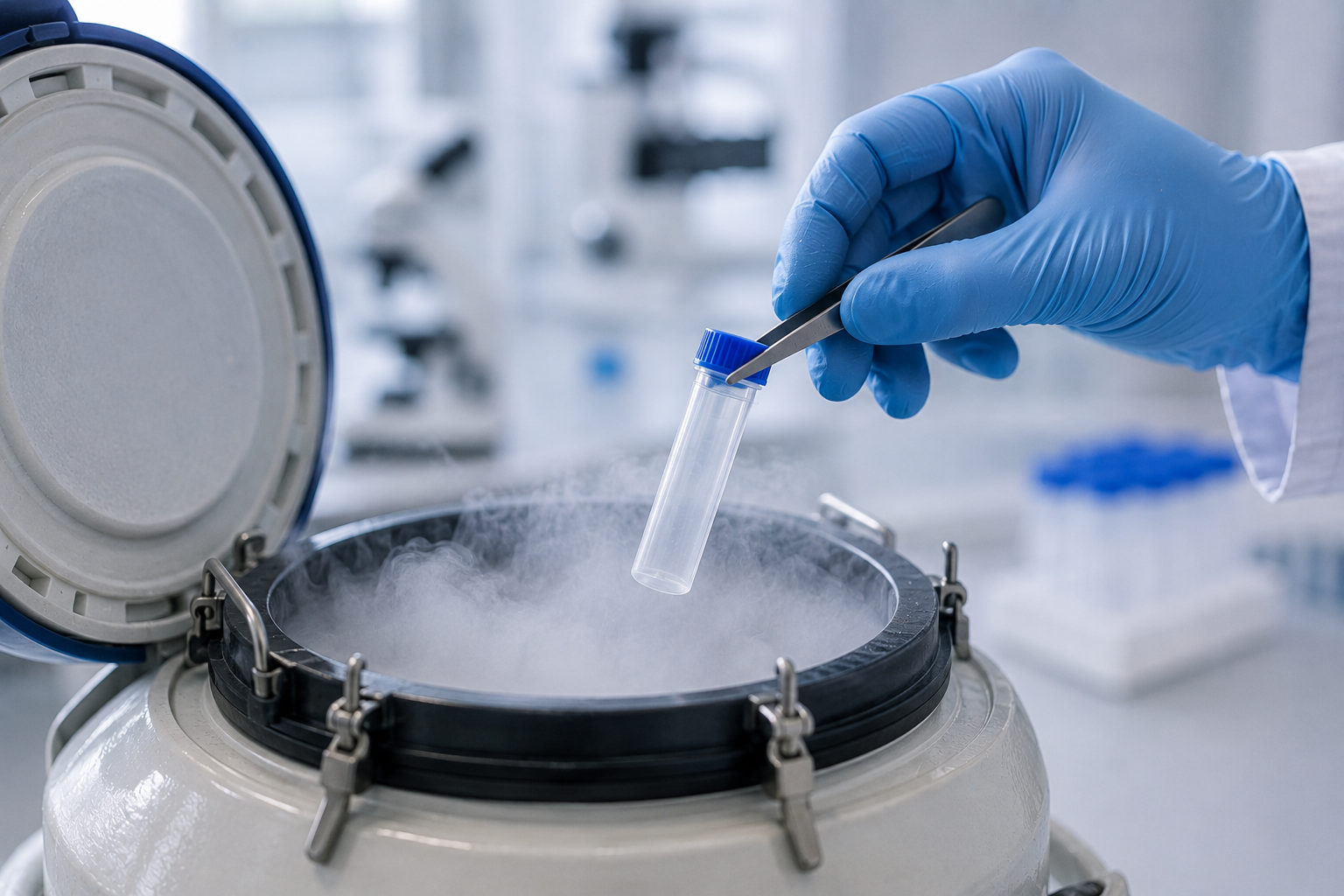
Embryo Freezing in IVF Table of Contents What Is Embryo Freezing? What Is Frozen Embryo Transfer? Why May Frozen Embryo Transfer Be Preferred? How Are Embryos Frozen? How Do You Prepare for Frozen Embryo Transfer? Psychological and Economic Advantages of Embryo Freezing Are Babies Born from Frozen Embryos Healthy? How Long Can Embryos Be Stored Frozen? Who May Consider Embryo Freezing? Frequently Asked Questions Personalized Approach to Embryo Freezing and Transfer Thanks to advances in IVF treatment, the chance of pregnancy is no longer limited to a single treatment cycle. Embryo freezing is one of the important assisted reproductive technologies that allows suitable-quality embryos obtained during IVF treatment to be stored for future use. Thanks to this method, couples can use embryos obtained from the same egg retrieval procedure again in the future. Therefore, it may not be necessary to undergo ovarian stimulation and egg retrieval again before each embryo transfer. At Dr. Hit IVF Center, the embryo freezing process is planned individually by evaluating the patient’s age, embryo development, uterine conditions, and treatment plan together. What Is Embryo Freezing? Embryo freezing is the process of storing embryos that develop after fertilization during IVF treatment and are considered suitable for transfer at very low temperatures for use at a later date. Embryos are generally evaluated on specific days of treatment according to their developmental stage. Embryos that are not transferred and are suitable for freezing can be used in a future pregnancy attempt. This method may provide couples with important advantages: It allows multiple embryo transfers to be performed from the same egg retrieval procedure. It may reduce the need for a new egg retrieval procedure. It may provide flexibility in terms of pregnancy planning. It may allow existing embryos to be used when planning a second or subsequent child. In some cases, it may allow embryo transfer to be postponed to a more appropriate time. The decision to freeze embryos is not the same for every patient. Which embryos will be frozen and when the transfer will be performed should be evaluated individually by the embryology and IVF team. What Is Frozen Embryo Transfer? Frozen embryo transfer is the process of thawing embryos that were previously obtained and frozen during IVF treatment and transferring them into a properly prepared uterus. Unlike fresh embryo transfer, ovarian stimulation and egg retrieval are usually not required again during this process. One of the most important issues before transfer is preparing the inner lining of the uterus, known as the endometrium, so that it is suitable for embryo implantation. Depending on the patient’s condition, the transfer may be performed: By monitoring the natural menstrual cycle, During a cycle prepared using hormonal medications, Using different personalized protocols considered appropriate by the physician. The aim is to match the developmental stage of the embryo with the appropriate period of the uterine lining as accurately as possible. Why May Frozen Embryo Transfer Be Preferred? The needs of each patient in IVF treatment are different. While fresh embryo transfer may be suitable for some patients, in others, freezing the embryos and performing the transfer at a later time may be preferred. Situations in which frozen embryo transfer may be preferred include: Preparing the Uterus During a More Suitable Period for Transfer Medications used during ovarian stimulation may cause significant changes in hormone levels. In some patients, postponing the transfer to a subsequent menstrual cycle may allow the uterine lining to be prepared in a more controlled manner. Risk of Ovarian Hyperstimulation Some patients whose ovaries respond very strongly to treatment may develop a risk of OHSS (Ovarian Hyperstimulation Syndrome). In such cases, for patient safety, freezing the embryos and performing the transfer at a later date may be preferred. More Flexible Planning of Transfer Timing The ability to freeze embryos helps the timing of the transfer to be planned according to the patient’s medical condition and uterine preparation. Planning a Future Pregnancy Freezing suitable embryos obtained during IVF treatment may provide couples with the opportunity to plan a second or subsequent pregnancy in the following years. How Are Embryos Frozen? Today, vitrification, also known as the rapid freezing method, is widely used for embryo freezing procedures. With older freezing methods, the formation of ice crystals inside the cells could be a significant problem. With vitrification technology, embryos are cooled very rapidly in an effort to prevent the formation of harmful ice crystals inside the cells. The procedure generally consists of the following stages: 1. Evaluation of the Embryo Embryologists evaluate developing embryos according to specific criteria and identify embryos that are suitable for freezing. 2. Use of Protective Solutions Embryos are placed through special protective solutions designed to help reduce cell damage during the freezing process. 3. Rapid Freezing Using the vitrification method, embryos are brought to extremely low temperatures in a very short period of time. 4. Storage in Liquid Nitrogen Frozen embryos are stored in specially identified and monitored storage systems in liquid nitrogen at approximately -196°C. When the time for transfer arrives, the embryos are thawed in a controlled manner and their development is reassessed in the embryology laboratory. How Do You Prepare for Frozen Embryo Transfer? The main goal of frozen embryo transfer is to prepare the uterine lining so that it is suitable for embryo implantation. Although the preparation process may vary from patient to patient, it generally includes the following stages: Preparation of the Uterine Lining The natural menstrual cycle may be monitored, or depending on the physician’s evaluation, a treatment protocol using hormones such as estrogen and progesterone may be applied. Ultrasound Monitoring The thickness and structure of the uterine lining are monitored by ultrasound. Hormone levels may also be evaluated when necessary. Thawing the Embryo On the day of transfer or at the time determined according to the treatment plan, the frozen embryo is thawed in a controlled manner in the laboratory. Embryo Transfer The suitable embryo is placed into the uterus using a thin catheter. Embryo transfer

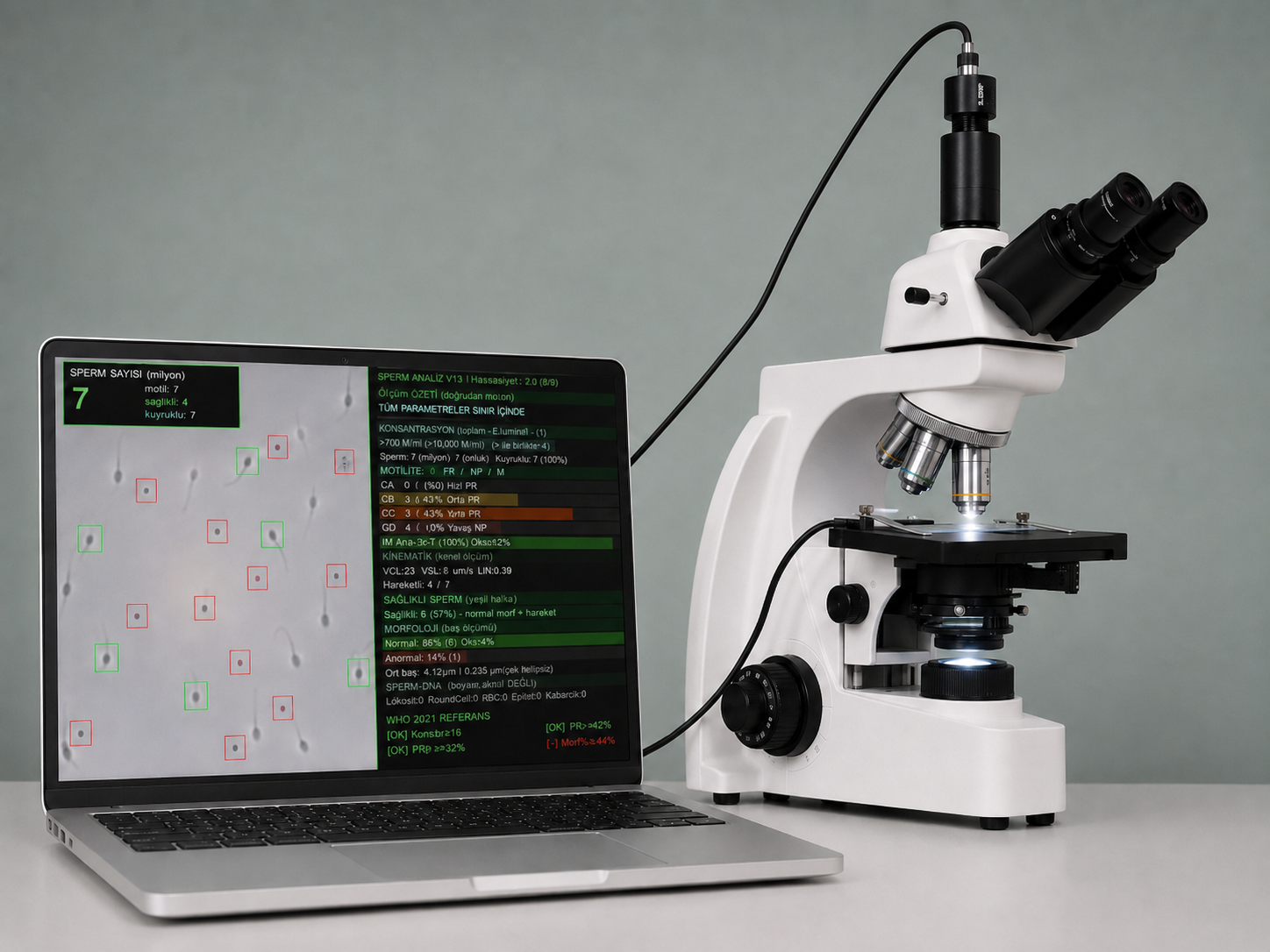
AI-Assisted Support System in Sperm Analysis

The Scientific Contribution of AI-Based Image Processing Technology to Sperm Analysis Transforming Microscope Images into Quantitative and Traceable Data with AI One of the basic laboratory examinations used in the evaluation of male reproductive health is semen analysis. In this examination, also known as a spermogram, the number, motility characteristics, and morphological structures of sperm cells are evaluated. Today, AI-based image processing technologies are used to automatically identify cells in microscopic images, track their movements, and quantitatively analyse the data obtained. The software prototype developed within our centre is a research and development project that aims to detect sperm cells in microscope images using AI-based image processing technology, track the movement of sperm cells between frames, and measure their basic movement characteristics. The main objective of the study is not to replace laboratory evaluation, but to establish a more measurable, repeatable, and traceable standard analysis infrastructure for sperm analysis. Why Is AI-Based Image Processing Important in Sperm Analysis? Sperm cells are small cells that constantly move under the microscope, may approach one another, overlap, and leave the image field. Therefore, detecting a large number of sperm cells simultaneously and tracking their movements individually is a process that requires technical expertise. AI-based image processing technology may help determine the positions of sperm-like structures in videos of cells observed under a microscope and quantitatively examine the movements of these cells over time. In the prototype we developed, sperm cells in the image are evaluated according to visual characteristics such as: Size Shape Roundness Oval appearance Contrast relative to the surrounding background The detected sperm cells are matched between consecutive image frames, and a separate movement trajectory is created for each cell. With this approach, the aim is not only to evaluate the movement observed under the microscope visually, but also to transform it into measurable and comparable data. Automatic Detection of Sperm Cells with AI In the first stage of the AI-based image processing process, the microscope image is prepared for analysis. The image is converted to greyscale, image noise is reduced, and contrast enhancement procedures are applied to make the cells more distinguishable from the background. Small structures resembling sperm heads are then identified in the image. Each candidate object is examined in terms of area, shape, size, and contrast characteristics. Microscope grid lines, air bubbles, cellular debris, and other artefacts in the image may cause false detections. For this reason, the software applies additional image filters to eliminate structures that are not sperm cells as much as possible. However, at the current stage of development, the structures detected by the software are not considered definitively to be sperm cells, but rather sperm cell candidates that meet the algorithm’s criteria. Tracking Sperm Movement with AI After sperm detection, the software attempts to track each cell candidate throughout the video. The position of a sperm candidate identified in one frame is compared with the positions of objects in the next frame. The object that is most suitable in terms of distance and direction of movement is considered to be the continuation of the same cell. Through this process, a movement trace is created over time for each sperm candidate. The AI-based image processing tracking system may assist in examining the following data: The cell’s total movement distance,Direction of movement,Continuity of movement,Degree of linear progression,Changes in direction occurring during movement,Distance travelled within a specific period. The ability to record the movements of a large number of cells individually may contribute to a detailed investigation of sperm motility. Repeatability The software’s use of fixed criteria allows the same image to be analysed in a similar way at different times. This makes it possible to compare results and measure the development of the system. Tracking a Large Number of Cells The human eye may have difficulty tracking a large number of moving sperm cells individually. AI-based systems, however, can track multiple cells simultaneously and create a movement trajectory for each one. Kinematic Analysis AI-based image processing helps quantitatively examine the speed and movement paths of sperm cells. Measurements such as VCL and VSL allow movement characteristics to be evaluated in greater detail. Contribution to the Laboratory Process Once scientific and clinical validations have been completed, these systems may be used in areas such as: Pre-evaluating images,Marking sperm cells,Creating movement trajectories,Preparing quantitative measurements,Supporting expert examination. The aim is not to replace the laboratory specialist, but to provide the specialist with organised and measurable data. Scientific Validation For the system to be used in sperm analysis, its results must be compared with expert evaluations and accepted laboratory methods. The following topics are examined during the validation process: The rate of correctly detecting sperm cells,The rate of incorrectly detecting non-sperm structures,The difference between automatic and expert counts,Continuity of cell tracking,Accuracy of movement classifications,Reliability of kinematic measurements,Performance across different samples, microscopes, cameras, and image qualities. Not only the conditions in which the system is successful, but also the conditions in which it makes errors must be evaluated transparently. Does AI Replace Expert Evaluation? A single result produced by AI is not sufficient to determine whether a person is fertile or infertile. Semen analysis must be evaluated by a specialist physician together with medical history, physical examination, hormonal and genetic tests, and other findings. Because sperm values may vary on different days, the test should be repeated when necessary. The role of AI systems is not to replace expert decisions, but to provide quantitative and visual data that support the evaluation. The AI-based image processing sperm analysis prototype developed at our centre is a research and development project conducted for the automatic detection of sperm cell candidates in microscope images, the tracking of their movements, and the measurement of their basic kinematic characteristics. The most important contributions that AI-based image processing technology may provide to sperm analysis include the ability to track a large number of cells simultaneously, record movement trajectories, calculate kinematic measurements, and support expert evaluation with quantitative data. However, the system has not been clinically validated

Sperm Donation Prices 2026

Sperm Donation Prices 2026: Treatment Costs and Key Factors Sperm Donation Prices 2026 vary depending on the country, clinic standards, donor screening process, laboratory technology, and the treatment plan recommended for the patient. In many clinics, the final cost is shaped not only by donor sperm selection, but also by consultation, IVF or ICSI procedures, embryo culture, medication, freezing options, and additional laboratory services. For this reason, treatment prices can differ significantly from one center to another. When reviewing Sperm Donation Prices 2026, it is important to understand that there is no single fixed fee that applies everywhere. Some clinics offer base packages that include donor sperm and standard laboratory procedures, while others offer more comprehensive programs with advanced embryo monitoring, genetic screening, medication planning, and follow-up services. As treatment becomes more personalized, the total price may also increase. For couples and individuals researching fertility care, understanding Sperm Donation Prices 2026 is often one of the first steps in planning treatment. Along with cost, patients usually consider clinic experience, donor selection standards, treatment safety, laboratory quality, and expected success rates. Sperm Donation Prices 2026 in Fertility Treatment Sperm Donation Prices 2026 are closely linked to how the treatment is performed. Sperm donation is generally used when male-factor infertility, absent sperm production, serious sperm abnormalities, genetic concerns, or other fertility barriers make natural conception difficult. In this process, donor sperm is used together with assisted reproductive techniques to improve the chance of pregnancy. The treatment pathway may include ovarian stimulation, egg collection, fertilization, embryo development, and embryo transfer. Each of these steps can affect the total cost. This is why Sperm Donation Prices 2026 should be evaluated as part of the full treatment package rather than as a donor fee alone. What Affects Sperm Donation Prices 2026? Several important factors can influence Sperm Donation Prices 2026: Clinic infrastructure: Advanced laboratories and modern fertility technology may increase treatment costs. Donor screening: More extensive donor health checks and genetic testing can affect pricing. Treatment method: IVF, ICSI, embryo freezing, and additional procedures may raise the total cost. Medication needs: Individual medication plans can differ from patient to patient. Number of included services: Some clinics include consultation, scans, donor matching, transfer, and follow-up in one package, while others price these separately. Because of these differences, Sperm Donation Prices 2026 should always be reviewed together with the exact services included in the package. Advantages of Sperm Donation Treatment Sperm donation treatment offers an important option for people who are unable to conceive with partner sperm. One of the main advantages is the use of donor sperm from carefully screened donors. This can improve the likelihood of fertilization and pregnancy in suitable patients. Another reason many patients consider this method is flexibility. Treatment planning is usually personalized, and in many cases sperm donation can be combined with embryo freezing or additional reproductive support. This makes the process more adaptable to the patient’s fertility profile and timing. When patients compare Sperm Donation Prices 2026, they are often comparing more than cost alone. They are also comparing donor screening quality, transparency, laboratory standards, and how comfortable and supportive the overall patient experience will be. Why Sperm Donation Prices 2026 Attract Attention Sperm Donation Prices 2026 attract attention because more patients are researching fertility treatment abroad and comparing clinics by both price and quality. Advancing reproductive technologies, wider donor screening options, and better laboratory systems have made treatment planning more precise and more accessible in many destinations. Patients today are not only asking how much treatment costs. They are also asking what is included, how donor matching works, whether genetic testing is offered, and how clinics support patients during the process. This is why content built around Sperm Donation Prices 2026 should answer practical questions as well as pricing concerns. Why Choose Sperm Donation Treatment? High-Quality Donor Screening Many clinics use structured donor evaluation systems, which may include medical history review and additional screening steps depending on the clinic protocol. Personalized Fertility Planning Treatment can be adjusted according to age, ovarian reserve, fertility history, and previous treatment outcomes. Advanced Laboratory Support Modern embryo culture systems, ICSI, and freezing techniques may help improve treatment planning and embryo management. Confidentiality and Patient Safety Confidentiality, donor anonymity policies where applicable, and careful clinical management are important parts of the treatment process. Sperm Donation Prices 2026 in Cyprus Sperm Donation Prices 2026 in Cyprus are one of the most searched topics among international fertility patients. Cyprus remains a well-known destination for assisted reproductive treatment because patients often compare its pricing with higher-cost markets in other regions. Published clinic pages in late 2025 and 2026 show that donor-sperm IVF packages in Cyprus often start around the mid-€4,000s to mid-€5,000s, while broader or more advanced packages can rise substantially depending on what is included. :contentReference[oaicite:1]{index=1} For this reason, Sperm Donation Prices 2026 in Cyprus should be reviewed carefully. A lower advertised starting price may not always include medication, freezing, genetic testing, accommodation, or additional procedures. On the other hand, a higher package may include more laboratory services and treatment support. Cyprus is also frequently preferred because patients can combine fertility care with a more comfortable travel experience. In addition to treatment cost, many patients consider ease of travel, clinic communication, and treatment organization when comparing fertility destinations. Recent clinic pages also continue to market Cyprus as a competitive option for donor-sperm IVF pricing. :contentReference[oaicite:2]{index=2} Advantages of Sperm Donation Treatment in Cyprus Competitive Pricing Many patients compare Cyprus with other destinations because clinic pricing is often positioned as more affordable than in some higher-cost fertility markets. :contentReference[oaicite:3]{index=3} Modern Fertility Clinics Clinics commonly promote advanced laboratory technologies, donor programs, and personalized fertility care as part of their treatment offering. :contentReference[oaicite:4]{index=4} Accessible Travel Cyprus remains a practical treatment destination for many international patients seeking fertility care in the region. Wide Range of Treatment Packages Different clinics offer different package structures, which gives patients more flexibility when comparing Sperm Donation Prices 2026. Conclusion Sperm Donation Prices 2026 depend

Painful Menstrual Periods (Dysmenorrhea)

What Is Dysmenorrhea? Definition and Types Painful Menstrual periods, medically called dysmenorrhea, refer to pain and cramping that happen during menstruation. Painful Menstrual symptoms are very common and can affect women of different ages, although they are often more noticeable in younger women. The pain usually begins shortly before menstrual bleeding starts or during the first day of the period and may continue for one to three days. For some women, the pain is mild and manageable, while for others it can strongly affect daily life, sleep, mood, work, and social activities. Dysmenorrhea is divided into two main types: primary dysmenorrhea and secondary dysmenorrhea. Understanding this difference is important because not every Painful Menstrual condition has the same cause. Primary dysmenorrhea usually starts in the teenage years or soon after menstrual cycles become regular. It is not caused by another disease. Instead, it is mainly related to hormonal activity in the body, especially substances that cause the uterus to contract more strongly during menstruation. These contractions can reduce blood flow temporarily and create cramping pain in the lower abdomen. Secondary dysmenorrhea is different because it is linked to an underlying medical problem. Conditions such as endometriosis, fibroids, adenomyosis, or pelvic inflammatory disease may lead to Painful Menstrual periods that are more severe, last longer, or worsen over time. In these cases, the pain may also appear before bleeding starts and continue after the period ends. Both types of Painful Menstrual symptoms deserve attention, especially when the pain becomes intense, changes suddenly, or begins interfering with normal activities. What Causes Painful Menstrual Periods? The most common cause of Painful Menstrual cramps in primary dysmenorrhea is the release of prostaglandins. These natural chemicals help the uterus contract so that menstrual tissue can be expelled. When prostaglandin levels are high, contractions become stronger, and this can lead to more intense cramping, pressure, and discomfort. In primary dysmenorrhea, the pain is usually felt in the lower abdomen, but it may also spread to the lower back and thighs. This is why many women describe Painful Menstrual periods as more than simple cramps. The discomfort may feel sharp, throbbing, aching, or heavy depending on the individual. Secondary dysmenorrhea has different causes. It may result from reproductive health conditions that change the normal structure or function of the uterus and pelvic organs. Endometriosis can cause tissue similar to the uterine lining to grow outside the uterus. Fibroids may increase pressure or bleeding. Pelvic infections may also contribute to Painful Menstrual symptoms and make periods harder to manage. Lifestyle factors can also make menstrual pain feel worse. Stress, poor sleep, smoking, lack of exercise, and an unbalanced diet may increase sensitivity to pain and make Painful Menstrual symptoms more difficult to tolerate during the cycle. Symptoms: Physical and Emotional Effects of Dysmenorrhea Painful Menstrual periods may cause both physical and emotional symptoms. While abdominal cramping is the best-known symptom, many women experience several signs at the same time. Physical symptoms may include: Strong abdominal cramps Lower back pain Pain spreading to the legs Headache Nausea Diarrhea Fatigue Bloating These physical symptoms are often strongest during the first one or two days of the period. In some women, Painful Menstrual discomfort comes in waves, while in others it stays constant for several hours. Emotional symptoms may include: Irritability Mood changes Anxiety Low motivation Difficulty concentrating Because of these combined effects, Painful Menstrual periods can lower quality of life. Some women may miss school, work, exercise, or social plans because the pain and tiredness become too difficult to manage. Diagnosis of Painful Periods: What Tests Are Needed? Diagnosis is important when Painful Menstrual symptoms are severe, start later in life, or become worse over time. A proper medical evaluation helps determine whether the pain is primary or secondary dysmenorrhea. Doctors usually begin by asking detailed questions about menstrual history, the timing of the pain, bleeding pattern, and other symptoms. They may ask whether the Painful Menstrual pain happens only during periods or continues at other times of the month. Diagnostic evaluation may include: Review of medical and menstrual history Physical examination Pelvic examination when necessary Ultrasound imaging Additional tests if another condition is suspected If an underlying condition is found, treatment can be planned according to the cause. This is why it is important not to ignore Painful Menstrual symptoms that suddenly change or become difficult to control. Managing Dysmenorrhea: Natural Methods and Medications There are different ways to manage Painful Menstrual symptoms. Treatment depends on how severe the pain is, how often it happens, and whether another medical condition is present. Medications Pain relievers: Anti-inflammatory medicines may help reduce cramps and discomfort. Hormonal treatments: In some cases, hormonal methods may help regulate periods and reduce pain intensity. Natural Methods Heat therapy: A heating pad or warm compress on the lower abdomen may relax the muscles. Light exercise: Gentle movement may help improve circulation and reduce cramping. Hydration: Drinking enough water may help reduce bloating and discomfort. Rest: Good sleep and physical rest can support the body during a painful cycle. Relaxation techniques: Breathing exercises and stress reduction may help lower muscle tension. For many women, combining simple home methods with appropriate medical advice can make Painful Menstrual symptoms much easier to manage over time. Lifestyle Changes to Relieve Dysmenorrhea Healthy daily habits can make a real difference in reducing Painful Menstrual discomfort. Although lifestyle changes may not remove pain completely, they often help reduce severity and improve overall well-being. Regular exercise: Physical activity may help improve circulation and support natural pain control. Balanced diet: Nutritious meals may support hormonal balance and reduce fatigue. Stress management: Lower stress levels may help the body cope better with pain. Adequate sleep: Better rest may reduce sensitivity to menstrual discomfort. Proper hydration: Drinking enough fluids may help reduce bloating and muscle tension. These habits are useful not only for Painful Menstrual periods but also for overall reproductive health. Long-Term Strategies for Coping with Dysmenorrhea Long-term management of Painful Menstrual symptoms requires

1 2 4