



Painful Menstrual Periods (Dysmenorrhea)
What Is Dysmenorrhea? Definition and Types
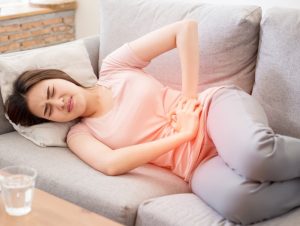
Painful Menstrual periods, medically called dysmenorrhea, refer to pain and cramping that happen during menstruation. Painful Menstrual symptoms are very common and can affect women of different ages, although they are often more noticeable in younger women. The pain usually begins shortly before menstrual bleeding starts or during the first day of the period and may continue for one to three days. For some women, the pain is mild and manageable, while for others it can strongly affect daily life, sleep, mood, work, and social activities.
Dysmenorrhea is divided into two main types: primary dysmenorrhea and secondary dysmenorrhea. Understanding this difference is important because not every Painful Menstrual condition has the same cause.
Primary dysmenorrhea usually starts in the teenage years or soon after menstrual cycles become regular. It is not caused by another disease. Instead, it is mainly related to hormonal activity in the body, especially substances that cause the uterus to contract more strongly during menstruation. These contractions can reduce blood flow temporarily and create cramping pain in the lower abdomen.
Secondary dysmenorrhea is different because it is linked to an underlying medical problem. Conditions such as endometriosis, fibroids, adenomyosis, or pelvic inflammatory disease may lead to Painful Menstrual periods that are more severe, last longer, or worsen over time. In these cases, the pain may also appear before bleeding starts and continue after the period ends.
Both types of Painful Menstrual symptoms deserve attention, especially when the pain becomes intense, changes suddenly, or begins interfering with normal activities.
What Causes Painful Menstrual Periods?
The most common cause of Painful Menstrual cramps in primary dysmenorrhea is the release of prostaglandins. These natural chemicals help the uterus contract so that menstrual tissue can be expelled. When prostaglandin levels are high, contractions become stronger, and this can lead to more intense cramping, pressure, and discomfort.
In primary dysmenorrhea, the pain is usually felt in the lower abdomen, but it may also spread to the lower back and thighs. This is why many women describe Painful Menstrual periods as more than simple cramps. The discomfort may feel sharp, throbbing, aching, or heavy depending on the individual.
Secondary dysmenorrhea has different causes. It may result from reproductive health conditions that change the normal structure or function of the uterus and pelvic organs. Endometriosis can cause tissue similar to the uterine lining to grow outside the uterus. Fibroids may increase pressure or bleeding. Pelvic infections may also contribute to Painful Menstrual symptoms and make periods harder to manage.
Lifestyle factors can also make menstrual pain feel worse. Stress, poor sleep, smoking, lack of exercise, and an unbalanced diet may increase sensitivity to pain and make Painful Menstrual symptoms more difficult to tolerate during the cycle.
Symptoms: Physical and Emotional Effects of Dysmenorrhea
Painful Menstrual periods may cause both physical and emotional symptoms. While abdominal cramping is the best-known symptom, many women experience several signs at the same time.
Physical symptoms may include:
- Strong abdominal cramps
- Lower back pain
- Pain spreading to the legs
- Headache
- Nausea
- Diarrhea
- Fatigue
- Bloating
These physical symptoms are often strongest during the first one or two days of the period. In some women, Painful Menstrual discomfort comes in waves, while in others it stays constant for several hours.
Emotional symptoms may include:
- Irritability
- Mood changes
- Anxiety
- Low motivation
- Difficulty concentrating
Because of these combined effects, Painful Menstrual periods can lower quality of life. Some women may miss school, work, exercise, or social plans because the pain and tiredness become too difficult to manage.
Diagnosis of Painful Periods: What Tests Are Needed?
Diagnosis is important when Painful Menstrual symptoms are severe, start later in life, or become worse over time. A proper medical evaluation helps determine whether the pain is primary or secondary dysmenorrhea.
Doctors usually begin by asking detailed questions about menstrual history, the timing of the pain, bleeding pattern, and other symptoms. They may ask whether the Painful Menstrual pain happens only during periods or continues at other times of the month.
Diagnostic evaluation may include:
- Review of medical and menstrual history
- Physical examination
- Pelvic examination when necessary
- Ultrasound imaging
- Additional tests if another condition is suspected
If an underlying condition is found, treatment can be planned according to the cause. This is why it is important not to ignore Painful Menstrual symptoms that suddenly change or become difficult to control.
Managing Dysmenorrhea: Natural Methods and Medications
There are different ways to manage Painful Menstrual symptoms. Treatment depends on how severe the pain is, how often it happens, and whether another medical condition is present.
Medications
- Pain relievers: Anti-inflammatory medicines may help reduce cramps and discomfort.
- Hormonal treatments: In some cases, hormonal methods may help regulate periods and reduce pain intensity.
Natural Methods
- Heat therapy: A heating pad or warm compress on the lower abdomen may relax the muscles.
- Light exercise: Gentle movement may help improve circulation and reduce cramping.
- Hydration: Drinking enough water may help reduce bloating and discomfort.
- Rest: Good sleep and physical rest can support the body during a painful cycle.
- Relaxation techniques: Breathing exercises and stress reduction may help lower muscle tension.
For many women, combining simple home methods with appropriate medical advice can make Painful Menstrual symptoms much easier to manage over time.
Lifestyle Changes to Relieve Dysmenorrhea
Healthy daily habits can make a real difference in reducing Painful Menstrual discomfort. Although lifestyle changes may not remove pain completely, they often help reduce severity and improve overall well-being.
- Regular exercise: Physical activity may help improve circulation and support natural pain control.
- Balanced diet: Nutritious meals may support hormonal balance and reduce fatigue.
- Stress management: Lower stress levels may help the body cope better with pain.
- Adequate sleep: Better rest may reduce sensitivity to menstrual discomfort.
- Proper hydration: Drinking enough fluids may help reduce bloating and muscle tension.
These habits are useful not only for Painful Menstrual periods but also for overall reproductive health.
Long-Term Strategies for Coping with Dysmenorrhea
Long-term management of Painful Menstrual symptoms requires consistency. Women who keep track of their cycle, notice pain patterns, and seek help when symptoms change often have a better chance of controlling discomfort effectively.
Helpful long-term strategies may include maintaining a healthy lifestyle, using supportive home care methods each month, following medical advice, and monitoring whether symptoms become more severe. If Painful Menstrual cramps begin to last longer, feel stronger, or occur outside menstruation, further medical evaluation may be needed.
Every woman experiences menstrual pain differently. Because of that, a personalized approach is often the best way to manage Painful Menstrual symptoms and protect quality of life.
Frequently Asked Questions
What is dysmenorrhea?
Dysmenorrhea is the medical term for Painful Menstrual periods and cramping during menstruation.
What causes painful periods?
They are often caused by strong uterine contractions and, in some cases, by an underlying medical condition.
What are the symptoms?
Symptoms may include cramps, lower back pain, headache, nausea, fatigue, and mood changes.
How can painful periods be relieved?
Heat therapy, rest, hydration, exercise, and medical treatment may help reduce symptoms.
When should I see a doctor?
You should seek medical advice if Painful Menstrual pain is severe, suddenly worsens, or affects daily life every month.