



What Is an IUD? Does It Cause Infertility?
What Is an IUD?
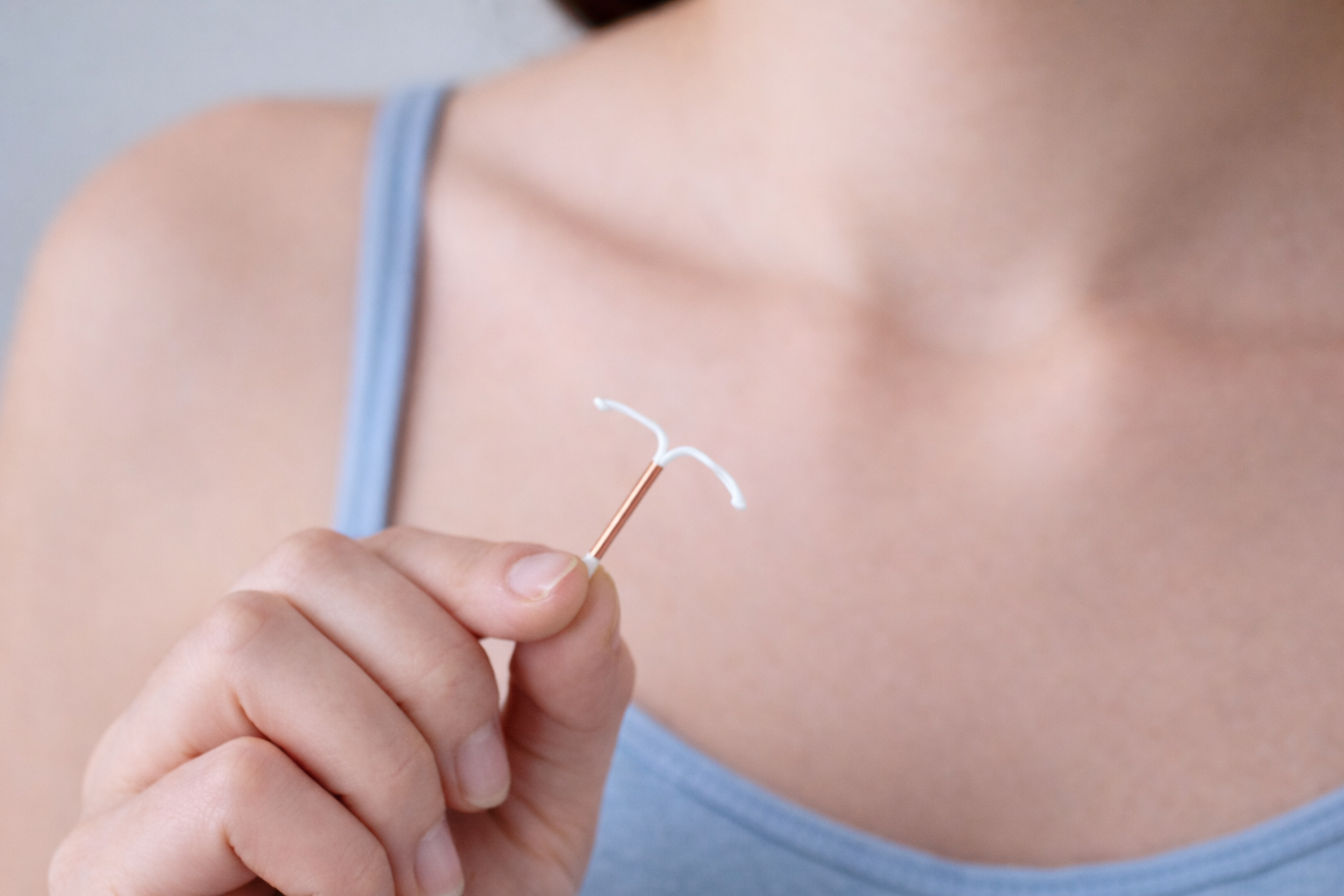
An IUD (intrauterine device), commonly known as a coil or spiral, is a small T-shaped contraceptive device placed inside the uterus. It is used as a long-term birth control method and works by preventing sperm from reaching and fertilising the egg.
Once inserted by a healthcare professional, this contraceptive device can provide reliable protection against pregnancy for several years. Because it is long-lasting and highly effective, it is one of the most widely used reversible contraception methods worldwide.
IUD Usage
This birth control method is inserted into the uterus by a qualified doctor or healthcare provider. When used correctly, it is considered safe, effective, and convenient for women who want long-term contraception without daily medication.
Scientific evidence shows that an IUD does not cause infertility in healthy women. However, as with any medical procedure, there are some risks to consider, such as infection shortly after insertion if proper medical care is not followed.
For this reason, consultation with a qualified healthcare professional before insertion is essential. Choosing the right contraceptive method depends on a woman’s overall health, reproductive goals, and lifestyle.
IUD and Infertility
One of the most common concerns is whether this contraceptive device can lead to infertility. Current medical evidence shows that it does not increase the risk of infertility when used appropriately.
Fertility usually returns quickly after removal. In rare situations, untreated pelvic infection may contribute to fertility problems, but this is not caused directly by the device itself. In many cases, such infections are related to sexually transmitted infections rather than the contraceptive method.
Regular medical follow-up and proper screening help reduce these risks and support reproductive health.
IUD and Pregnancy
This method is highly effective in preventing pregnancy, but no birth control option is 100% guaranteed. In rare cases, pregnancy may still occur while the device is in place.
If pregnancy happens, immediate medical evaluation is necessary. A doctor will assess the position of the device and determine the safest next steps.
Routine follow-up visits help ensure that the contraceptive remains properly positioned and continues to work effectively.
IUD Removal
Removal is a simple medical procedure performed by a healthcare professional, usually in a clinic. It is generally quick and causes only mild discomfort.
After removal, the menstrual cycle may take a short time to regulate. In most cases, fertility returns rapidly, and pregnancy may be possible soon afterwards if no other contraception is used.
If pregnancy is not planned after removal, it is advisable to discuss an alternative birth control method with a doctor.
Follow-Up After Insertion
Follow-up appointments after insertion are important for checking safety and effectiveness. During these visits, the doctor usually evaluates:
- Whether the device remains correctly positioned
- Whether pregnancy protection continues effectively
- Whether there are any signs of infection or complications
Routine check-ups allow possible issues to be detected early and managed appropriately.
IUD and Health Risks
Although this contraceptive method is generally safe, some possible side effects and risks may occur, especially in the first weeks or months after insertion.
- Pelvic infection
- Cramping or discomfort after insertion
- Heavier or more painful periods, especially with copper devices
- Irregular bleeding in some users
Most side effects improve over time. However, severe pain, unusual discharge, heavy bleeding, or fever should always be assessed by a healthcare professional.
Who Should Speak to a Doctor?
Women who experience unusual bleeding, persistent pelvic pain, fever, or concerns about the device moving should seek medical advice. Early assessment can help prevent complications and provide reassurance.
If you are planning pregnancy in the future or have fertility concerns, you may also wish to read more about our before IVF treatment guide and fertility evaluation process.
Frequently Asked Questions
What is an IUD?
An IUD is a small T-shaped device inserted into the uterus to prevent pregnancy.
Can you get pregnant while using one?
The risk is very low, but no birth control method is completely guaranteed.
Does it cause infertility?
No. Fertility usually returns after removal, and current evidence does not show that it causes infertility.
How long can it be used?
Depending on the type, it may remain effective for 5 to 10 years.
Is insertion painful?
Some women feel mild discomfort or cramping, but the procedure is generally well tolerated.
Can periods become heavier?
Yes, especially with copper devices, some women may notice heavier bleeding or more cramping.
How can you tell if it has moved?
Symptoms may include pain, abnormal bleeding, or unusual discharge. A doctor should evaluate these signs.
Conclusion
An IUD is a safe and effective long-term contraceptive method for many women. It does not cause infertility, and fertility usually returns soon after removal.
Choosing the right birth control method should always be based on medical advice and personal health needs. For trusted general information about contraception, you can also review guidance from NHS.