Popup Görseli

Author: Dr. Halil İbrahim Tekin

What Is Asherman Syndrome?

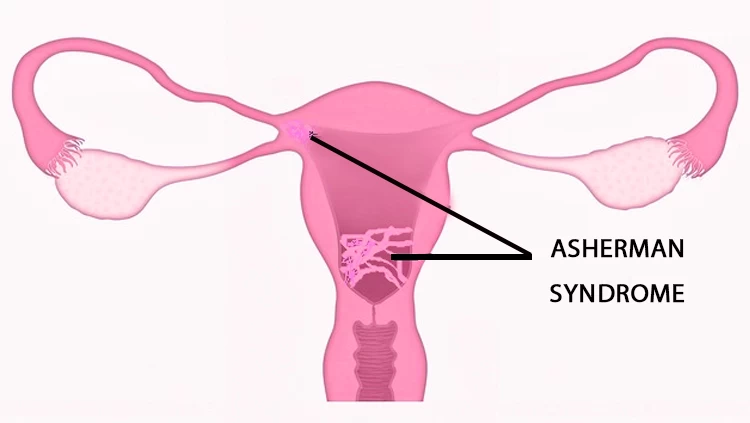
What Is Asherman Syndrome? Asherman Syndrome is a condition that causes scar tissue (adhesions) to form inside the uterus. This scar tissue can cause the walls of the uterus to stick together, affecting a woman’s ability to menstruate normally and become pregnant. It usually develops after postpartum complications, surgical procedures, or intrauterine interventions. The condition may present with symptoms such as absence of menstruation, menstrual irregularities, or infertility. Asherman Syndrome often requires surgical treatment; however, if diagnosed and treated early—before adhesions fully develop—complications can be prevented. More detailed information about diagnosis and treatment options should be obtained by consulting specialist physicians. Symptoms of Asherman Syndrome and Diagnostic Methods Asherman Syndrome is characterized by adhesions and scar tissue within the uterus. Symptoms may include menstrual irregularities, painful periods, or absence of menstruation. Some women may experience difficulty becoming pregnant due to Asherman Syndrome. The condition often develops after pelvic surgery, intrauterine procedures, or postpartum bleeding. The diagnostic process is supported by imaging techniques in addition to evaluating the patient’s symptoms. Hysteroscopy is one of the most effective methods for diagnosing this condition. During this procedure, a hysteroscope is used to directly visualize the inside of the uterus and detect adhesions. Other imaging methods such as X-ray or ultrasound may also be used; however, hysteroscopy allows for a more comprehensive evaluation of Asherman Syndrome. Recognizing symptoms and using appropriate diagnostic methods are critical for determining the severity of the condition and planning suitable treatment. Early diagnosis is important. Therefore, women experiencing menstrual irregularities or difficulty conceiving should consult a healthcare professional for proper evaluation. Causes and Risk Factors of Asherman Syndrome Asherman Syndrome typically occurs as a result of scar tissue formation in the inner uterine wall. This scar tissue may develop due to various reasons. The primary causes include previous uterine surgeries, postpartum complications, or infections. In particular, dilation and curettage (D&C) procedures are significant triggering factors. Another risk factor includes women who have previously experienced abnormal conditions within the uterus. Any trauma, infection, or surgical intervention may increase the risk of developing Asherman Syndrome. Additionally, hormonal imbalances in some women may influence the formation of scar tissue. Genetic predisposition and immune system-related problems are also considered potential risk factors. These conditions may trigger inflammatory processes within the uterus, increasing scar formation. A woman’s past experiences related to sexual and reproductive health may also be important determinants. Therefore, regular health check-ups are recommended, especially for those with known risk factors. What Are the Treatment Options for Asherman Syndrome? Treatment for Asherman Syndrome varies depending on the severity of the condition and the patient’s overall health. The first step is a detailed evaluation of the patient’s condition. In most cases, adhesions inside the uterus are removed through a procedure called hysteroscopy. This allows the doctor to directly visualize the uterine cavity and remove abnormal tissue. In some cases, additional treatment methods may be required after hysteroscopic surgery. For example, hormone therapy may be used to reduce the risk of re-adhesion within the uterus. Regular follow-up examinations are also very important after treatment. Alternative approaches may also be considered. Some women may benefit from natural methods and lifestyle changes; however, it is important to note that the effectiveness of these methods is not scientifically proven. Treatment options for Asherman Syndrome vary, and patients should work closely with their doctors throughout the process. Success Stories Related to Asherman Syndrome Although Asherman Syndrome can be a challenging experience, many women have overcome it and gone on to have successful pregnancies. These success stories serve as a source of hope for those facing the condition. Many women, after receiving a diagnosis, pursued appropriate treatments and ultimately experienced the joy of becoming mothers. Hysteroscopic surgery, which removes uterine adhesions, has enabled many women to conceive again. Here are some inspiring examples: Ayşe’s Story: Diagnosed with Asherman Syndrome at age 35, Ayşe conceived naturally after hysteroscopic surgery and now has a healthy baby. Zeynep’s Experience: After two consecutive miscarriages, 28-year-old Zeynep was diagnosed with Asherman Syndrome. Following treatment, she conceived through IVF and gave birth to twins. Fatma’s Success Story: At age 40, Fatma had tried many treatments without success due to Asherman Syndrome. After surgery, she finally received the joyful news that she was pregnant. These stories demonstrate that with proper treatment, the challenges of Asherman Syndrome can be overcome. Support groups and shared experiences on social media can provide encouragement for women facing similar journeys. Ways to Increase Pregnancy Chances with Asherman Syndrome For individuals diagnosed with Asherman Syndrome, the path to pregnancy may involve certain challenges. However, several methods and treatments may help increase the chances of conception: Medical Treatment: Doctors may recommend hormone therapy to improve the uterine environment and enhance the likelihood of pregnancy. Surgical Intervention: Removing intrauterine adhesions surgically is one of the most effective ways to improve pregnancy chances. Hysteroscopy is commonly preferred. Intrauterine Devices: After surgery, temporary devices may be placed inside the uterus to help prevent re-adhesion and maintain a suitable environment for pregnancy. Nutrition and Lifestyle Changes: A healthy diet and regular exercise can improve overall health and potentially increase fertility. Anti-inflammatory foods may help maintain hormonal balance. Psychological Support: Coping with Asherman Syndrome can be emotionally challenging. Psychological support can reduce stress and positively influence fertility. Consulting a specialist is essential to determine the most appropriate individualized approach. Coping with Asherman Syndrome Coping with Asherman Syndrome can be physically and emotionally demanding. Adopting effective coping strategies is important. Open communication with family and friends can provide emotional support and reduce feelings of isolation. Support groups can also be beneficial, allowing individuals to share experiences with others facing similar challenges. Stress management techniques such as meditation, yoga, and deep breathing exercises may help strengthen mental health and improve overall quality of life. Regular check-ups with a healthcare professional are crucial for monitoring both physical and mental well-being. Following professional guidance helps ensure proper treatment and overall health management. Frequently Asked Questions What is Asherman Syndrome?Asherman Syndrome is

What Is Polymenorrhea? Causes of Frequent Menstruation

What Is Polymenorrhea? Definition and Basic Information What is polymenorrhea? It refers to experiencing menstrual cycles more frequently than normal. Generally, if a person has periods at intervals shorter than 21 days, this condition is called polymenorrhea. This irregularity in the menstrual cycle can result from many factors and may affect an individual’s quality of life. This condition is commonly associated with hormonal changes, stress, or certain health problems. In individuals with polymenorrhea, the frequency and duration of menstrual bleeding may vary, often causing anxiety and discomfort. Although polymenorrhea is more common in younger age groups, it can occur in women of any age. It is particularly seen during adolescence and the perimenopausal period. Additionally, polymenorrhea may be a sign of underlying health issues. Therefore, individuals who frequently experience short menstrual cycles should consult a healthcare professional. What Causes Frequent Menstruation? Frequent menstruation is a condition that can lead to various health concerns. There are several possible underlying causes. First, hormonal imbalances are among the most common causes. Changes in estrogen and progesterone levels can directly affect the frequency of the menstrual cycle. Stress is also an important factor influencing the question, what is polymenorrhea? Intense life conditions, work pressure, or personal problems may create stress in the body and accelerate the menstrual cycle. Certain medical conditions may also contribute. Disorders such as polycystic ovary syndrome (PCOS) can lead to frequent periods. In addition, thyroid problems and some blood disorders may cause increased menstrual frequency. Any changes before or after menstruation can disrupt the cycle. Therefore, women should take any menstrual irregularities seriously and consult a specialist. Symptoms of Polymenorrhea and Diagnostic Methods While the question what is polymenorrhea? is frequently asked, understanding its symptoms and diagnostic methods is also important. Polymenorrhea refers to unusually frequent menstrual cycles and may present with the following symptoms: Menstrual bleeding occurring at intervals shorter than 21 days Heavier and longer-lasting bleeding than usual Pain during the menstrual cycle Low energy levels and fatigue Emotional fluctuations or mood changes To diagnose polymenorrhea, several evaluations are typically performed. The first step is reviewing the patient’s medical history and symptoms. A doctor may then use the following diagnostic methods: External genital examination Ultrasonography to assess the uterus and ovaries Blood tests to measure hormone levels Hysteroscopy to visualize the inside of the uterus Based on these evaluations, the doctor can confirm polymenorrhea and determine appropriate treatment options. The Relationship Between Hormonal Imbalance and Polymenorrhea The question what is polymenorrhea? is closely linked to hormonal imbalances. Hormonal imbalance is one of the most important factors triggering this condition. The female body contains many hormones that regulate the menstrual cycle. Changes in estrogen and progesterone levels can directly affect menstrual timing. Excess estrogen production or insufficient progesterone may lead to frequent periods. Hormonal imbalances may also be triggered by external factors such as stress, extreme weight loss or gain, or excessive exercise. Furthermore, thyroid disorders and polycystic ovary syndrome (PCOS) may cause hormonal imbalances and reinforce frequent menstruation. Proper evaluation by a specialist is essential in these cases. Regulating hormone levels is one of the primary ways to manage frequent menstruation. When hormonal balance is restored, the menstrual cycle often returns to normal. What Are the Treatment Options for Polymenorrhea? Understanding what polymenorrhea is also involves knowing how to manage and treat it. Treatment options vary depending on the underlying cause. The first step is identifying the root cause. Hormonal imbalances, stress, excessive physical activity, or obesity may influence the condition. Doctors typically conduct blood tests, ultrasounds, or other imaging methods for individualized assessment. Hormone therapy, birth control pills, or cycle-regulating medications are common treatments. Lifestyle changes may also be recommended. A healthy diet and regular exercise can help restore hormonal balance. If polymenorrhea is caused by an underlying condition such as uterine fibroids or polyps, surgical intervention may be necessary. Consulting a specialist is always the most appropriate approach, as treatment plans should be individualized. Ways to Prevent Frequent Menstruation Frequent menstruation can significantly impact a woman’s quality of life. Becoming informed about what polymenorrhea is is the first step toward prevention. Here are some recommendations: Balanced Nutrition: A diet rich in vitamins and minerals can support hormonal balance. Omega-3 fatty acids may help regulate the menstrual cycle due to their anti-inflammatory properties. Stress Management: High stress levels may cause hormonal imbalance. Meditation, yoga, and deep breathing exercises can be effective in reducing stress. Regular Exercise: Physical activity helps balance hormones and improves overall health. Light exercise several times a week may positively affect the menstrual cycle. Adequate Sleep: Lack of sleep may contribute to hormonal imbalance. Sleeping at least 7–8 hours per day supports hormonal health. Regular Medical Check-Ups: Visiting a gynecologist regularly allows early diagnosis of potential problems. Professional support is especially important if you experience frequent periods. With these measures, it is possible to better understand what polymenorrhea is and maintain a healthier life. Every woman is unique, so individual needs should always be considered. Frequently Asked Questions What is polymenorrhea?Polymenorrhea is the condition of having menstrual periods more frequently than normal, typically at intervals shorter than 21 days. What are the common causes of polymenorrhea?Common causes include hormonal imbalances, stress, intense exercise, weight loss, and certain medical conditions. Which age groups experience polymenorrhea more often?It is more common in adolescent girls and perimenopausal women. Is polymenorrhea a health risk?Polymenorrhea itself is not usually dangerous, but if there is an underlying medical condition, it may pose risks. Consulting a doctor is important. Does polymenorrhea require treatment?Treatment may be necessary if it causes discomfort or occurs with other symptoms. Mild cases may not require treatment. How can I regulate my menstrual cycle with polymenorrhea?Maintaining a healthy diet, reducing stress, and adopting a regular lifestyle are important. Medical advice should also be followed. Can polymenorrhea be a sign of other diseases?Yes, polymenorrhea may be a symptom of conditions such as polycystic ovary syndrome (PCOS), thyroid disorders, or uterine fibroids.

What Is a Vaginal Yeast Infection?

What Is a Vaginal Yeast Infection? A vaginal yeast infection is a fungal infection that occurs in the vaginal area and is usually caused by a type of fungus called Candida albicans. This condition is quite common among women, and many are likely to experience this type of infection at some point in their lives. Vaginal yeast infections are often influenced by factors such as excessive moisture, hormonal imbalances, and antibiotic use. The infection develops when the natural balance of the vaginal flora is disrupted and presents with various symptoms. The discomfort caused by a vaginal yeast infection is typically associated with itching, burning, and abnormal discharge. These symptoms can negatively affect daily life and may require treatment. Additionally, vaginal yeast infections are linked to improper antibiotic use or a weakened immune system. Therefore, it is important to consult a healthcare professional if such symptoms occur. What Are the Symptoms of a Vaginal Yeast Infection? Vaginal yeast infections are a common health issue among women. These infections are typically caused by a fungus known as Candida and present with specific symptoms. The most common symptoms include: Itching and discomfort Increased vaginal discharge, usually white and thick (cottage cheese-like) Burning or pain during urination Pain during sexual intercourse Redness or swelling of the outer vaginal area The presence of these symptoms may indicate a vaginal yeast infection. However, a physician should always be consulted for an accurate diagnosis. Identifying the exact cause of the infection is essential for proper treatment. What Causes a Vaginal Yeast Infection? A vaginal yeast infection usually occurs due to the overgrowth of Candida albicans. Normally present in the vagina, this fungus begins to multiply when the immune system weakens or when the pH balance is disrupted. Several factors may contribute to this condition. Antibiotic use can reduce beneficial bacteria in the vagina, creating an environment for fungal overgrowth. Hormonal changes, pregnancy, and birth control pills may also trigger vaginal yeast infections. Certain health conditions, such as diabetes, can weaken the immune system and increase susceptibility to infections. Stress, poor nutrition, and inadequate hygiene are also contributing factors. Since many lifestyle and health factors play a role, maintaining a healthy lifestyle and taking preventive measures are important for protecting vaginal health. How Is a Vaginal Yeast Infection Diagnosed? Diagnosis begins with evaluating the patient’s complaints and performing a physical examination. The doctor listens carefully to symptoms and conducts a vaginal exam. A key part of diagnosis involves laboratory analysis of vaginal discharge to confirm the presence of a fungal infection. If a yeast infection is detected, appropriate treatment options are determined. In some cases, a vaginal culture test may be performed to identify the specific fungal type and select the most effective treatment. Additional tests may be required to rule out other infections. Accurate diagnosis ensures the correct treatment process is initiated. Treatment Methods and Medications for Vaginal Yeast Infections A vaginal yeast infection can be managed with various treatment options depending on the severity and individual health condition. Common treatments include antifungal medications available as creams, oral tablets, or vaginal suppositories. These help stop fungal growth and relieve symptoms. Medications containing clotrimazole or miconazole are frequently used. Patients are also advised to maintain good genital hygiene, prefer cotton underwear instead of synthetic fabrics, and follow a balanced diet to help maintain vaginal flora balance. In some cases, natural supportive methods may be considered. Probiotic supplements and fermented foods like yogurt may help restore healthy vaginal flora. However, consulting a healthcare professional before starting any treatment is essential. What Helps with a Vaginal Yeast Infection? Certain natural and home-based methods may help relieve symptoms, but they do not replace medical treatment. Some suggestions include: Probiotics: Yogurt or probiotic supplements may help balance vaginal flora and prevent recurrence. Natural Oils: Tea tree oil and lavender oil have antifungal properties that may help reduce irritation. Apple Cider Vinegar: Adding it to bathwater may help restore vaginal pH balance, but direct application should be avoided. Garlic: Known for antifungal properties, it can be consumed as part of the diet or as a supplement. Good Hygiene: Keeping the vaginal area dry and clean helps prevent infections. If symptoms persist or worsen, consult a specialist. How Long Does a Vaginal Yeast Infection Last? Although treatable, recovery time varies from person to person. Symptoms often improve quickly after starting treatment, but full recovery may take several days to a few weeks. Lifestyle adjustments, such as proper hygiene, avoiding tight clothing, and choosing cotton underwear, can support faster recovery. In individuals with weakened immune systems or recurrent infections, healing may take longer. If symptoms persist or frequently recur, seeking medical advice is important. When treated properly, vaginal yeast infections typically resolve quickly, though individual factors may influence recovery time. Frequently Asked Questions What is a vaginal yeast infection?It is the overgrowth of a Candida fungus in the vagina, causing infection. What are the symptoms?Symptoms include itching, burning, changes in discharge, and vaginal discomfort. What causes vaginal yeast infections?Causes include antibiotic use, hormonal changes, weakened immunity, and certain dietary or health factors. How is it treated?Treatment usually involves antifungal creams or oral medications. How can it be prevented?Maintaining hygiene, avoiding synthetic underwear, and following a healthy diet are important preventive measures. Who is more likely to experience it?Pregnant women, individuals with diabetes, and those with weakened immune systems are more susceptible. What happens if it is not treated?Untreated infections may worsen and potentially lead to more serious complications such as pelvic infections.

IVF Prices 2026 | Current IVF Treatment and Success Rates

IVF Prices 2026: Current IVF Treatment Costs and Success Rates IVF Prices 2026 are one of the most searched topics for couples planning fertility treatment. In vitro fertilization (IVF) continues to be one of the most effective assisted reproductive techniques available today. Thanks to advanced laboratory technologies, personalized treatment protocols, and improved success rates, IVF treatment in 2026 offers more reliable outcomes than ever before. In this guide, you will find the most up-to-date information about IVF Prices 2026, treatment stages, success rates, and the factors that influence IVF treatment costs. How Much Are IVF Prices 2026? The average IVF Prices 2026 generally range between 6,000 and 15,000 euros. However, the final cost of treatment may vary depending on the clinic, laboratory technology, and additional medical procedures required. Several important factors influence IVF treatment costs: The woman’s age and ovarian reserve The IVF technique used (IVF, ICSI, PGT testing, embryo freezing) Laboratory quality and medical technology Medication and hormone stimulation protocols Additional diagnostic tests and monitoring Advanced technologies such as genetic embryo screening (PGT-A) and time-lapse embryo monitoring systems can increase treatment success while also affecting overall costs. Advantages of IVF Treatment in 2026 Modern fertility medicine continues to improve IVF outcomes. As a result, many couples researching IVF Prices 2026 also want to understand the advantages of undergoing treatment today. Higher Success Rates New generation IVF laboratory systems allow embryologists to monitor embryo development more accurately. This increases the probability of selecting healthy embryos. Personalized IVF Protocols In 2026, fertility clinics often use individualized treatment plans. Each patient receives a personalized medication protocol designed according to their hormonal profile and reproductive history. Advanced Fertility Technologies Time-lapse embryo monitoring systems Preimplantation genetic testing (PGT) Improved embryo culture environments These innovations help fertility specialists choose the healthiest embryos for transfer. IVF Treatment Process in 2026 Understanding the treatment stages is essential for couples researching IVF Prices 2026. The IVF process generally includes the following steps: Initial Consultation and Fertility Evaluation Hormone tests, ultrasound scans, and sperm analysis are performed. Ovarian Stimulation Hormonal medications stimulate the ovaries to produce multiple eggs. Egg Retrieval and Fertilization Eggs are collected and fertilized with sperm in the laboratory using IVF or ICSI. Embryo Transfer Healthy embryos are transferred into the uterus in a simple procedure. Pregnancy Test A blood test is performed about 10–12 days after embryo transfer. Factors That Influence IVF Prices 2026 The final cost of fertility treatment depends on multiple medical and logistical factors. Couples researching IVF Prices 2026 should consider: Age of the female patient Egg quality and ovarian reserve Need for donor eggs or sperm Use of genetic embryo testing Number of treatment cycles required Each couple’s fertility situation is unique, so treatment plans and costs can vary. Why Many Couples Choose IVF Treatment in 2026 There are several reasons why IVF treatment continues to grow in popularity worldwide: Higher pregnancy success rates compared with many other fertility treatments Advanced laboratory technology and improved embryo selection Personalized fertility treatment protocols Better monitoring and medical safety Many clinics also offer international patient services, including consultation support, travel guidance, and treatment coordination. Frequently Asked Questions About IVF Prices 2026 How long does IVF treatment take? The complete IVF process typically takes between 3 and 6 weeks depending on the patient’s response to medication. Is IVF success guaranteed? No fertility treatment can guarantee pregnancy. However, experienced clinics and modern technologies significantly improve success rates. Does age affect IVF success? Yes. Fertility outcomes are generally higher in women under 35, while egg quality may decline with increasing age. Conclusion IVF Prices 2026 reflect both technological advancements and individualized treatment approaches in modern fertility medicine. With improved laboratory techniques, experienced fertility specialists, and personalized care, many couples now have greater opportunities to achieve their dream of parenthood. If you are considering IVF treatment, consulting a specialized fertility center can help you understand your options and determine the most appropriate treatment plan.

1 5 6 7 8