
Popup Görseli

Author: Dr. Halil İbrahim Tekin

Egg Donation Prices 2026

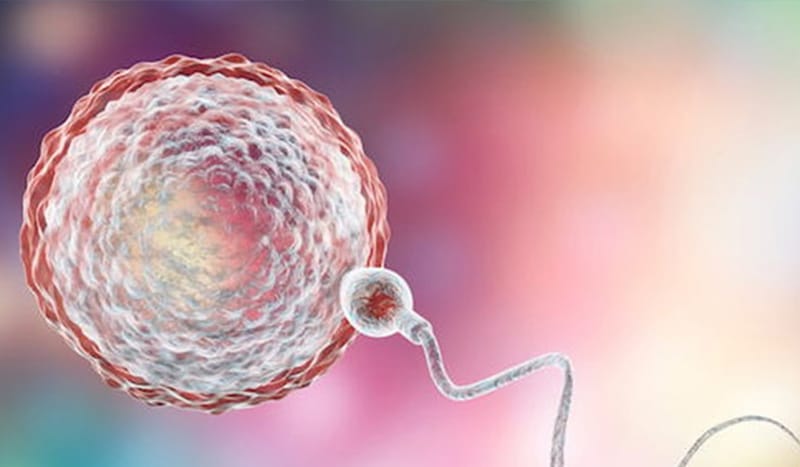
Egg Donation Prices 2026: Current Costs and Treatment Guide Egg Donation Prices 2026 are one of the most searched topics for couples considering fertility treatment. Egg donation is a widely used assisted reproductive technique that allows women with low ovarian reserve or poor egg quality to achieve pregnancy using donor eggs. In 2026, advances in fertility technology, laboratory techniques, and donor screening procedures continue to improve treatment success rates. However, the cost of egg donation may vary depending on several factors such as clinic experience, laboratory technology, and additional procedures included in the treatment plan. This guide explains Egg Donation Prices 2026, the treatment process, success rates, and the main factors that influence overall costs. How Much Are Egg Donation Prices 2026? The average Egg Donation Prices 2026 typically range between 6,000 and 15,000 euros. However, the final treatment cost may vary depending on the fertility clinic and the medical procedures required during the treatment process. Several important factors influence egg donation costs: The experience and reputation of the fertility clinic The quality of laboratory equipment and IVF technologies Donor screening procedures and medical evaluations Medication and hormonal preparation protocols Additional treatments such as genetic testing (PGT) or embryo freezing Because each patient has different fertility needs, treatment plans are usually customized to maximize success rates. Egg Donation Treatment in 2026 Egg donation remains one of the most successful fertility treatments available in modern reproductive medicine. Many couples researching Egg Donation Prices 2026 are also interested in understanding how the treatment works. During the procedure, eggs from a healthy donor are retrieved and fertilized with sperm from the recipient’s partner or a sperm donor. The resulting embryos are then transferred into the uterus of the intended mother. This process significantly increases the chances of pregnancy, especially for women who cannot conceive using their own eggs. Advantages of Egg Donation Treatment Egg donation offers several important advantages for couples facing infertility. High Success Rates Eggs obtained from young and healthy donors generally have better quality, which improves the probability of pregnancy. Personalized Treatment Plans Fertility clinics create individualized treatment protocols based on each patient’s medical history and reproductive health. Advanced Laboratory Technologies Modern clinics use technologies such as preimplantation genetic testing (PGT), microinjection (ICSI), and embryo freezing. Confidentiality and Safety Donor identities are kept confidential, ensuring privacy and ethical treatment standards. Why Egg Donation Is Increasingly Popular in 2026 Interest in egg donation treatment continues to grow worldwide. Couples researching Egg Donation Prices 2026 often discover that this method offers one of the highest success rates among fertility treatments. Technological advances in embryo development, genetic testing, and laboratory monitoring systems have significantly improved treatment outcomes compared with previous years. As a result, more couples from Europe, the Middle East, and North Africa are choosing egg donation as a solution for infertility. Egg Donation Prices 2026 in Cyprus Cyprus has become one of the most popular destinations for fertility treatments in recent years. Many patients researching Egg Donation Prices 2026 consider Cyprus due to its combination of affordable treatment costs and high medical standards. Egg donation treatment prices in Cyprus generally range between 5,000 and 8,000 euros, making them significantly more affordable compared with many European countries. In addition to competitive pricing, fertility clinics in Cyprus offer modern laboratories, experienced fertility specialists, and internationally recognized treatment protocols. Advantages of Egg Donation Treatment in Cyprus Affordable Costs Egg donation treatment in Cyprus is more economical compared to many countries in Europe. High Success Rates Modern laboratories and experienced medical teams increase the likelihood of pregnancy. Comfortable Treatment Environment The Mediterranean climate and peaceful environment can help reduce stress during the treatment process. Easy International Access Direct flights from many European cities make Cyprus easily accessible for international patients. Conclusion Egg Donation Prices 2026 vary depending on medical technologies, clinic expertise, and individual treatment needs. With improved laboratory techniques and personalized treatment plans, egg donation continues to provide hope for thousands of couples around the world. Choosing a reputable fertility center and receiving professional medical guidance are essential steps toward achieving a successful pregnancy.
What Is Vaginismus? Causes, Symptoms, and Treatment

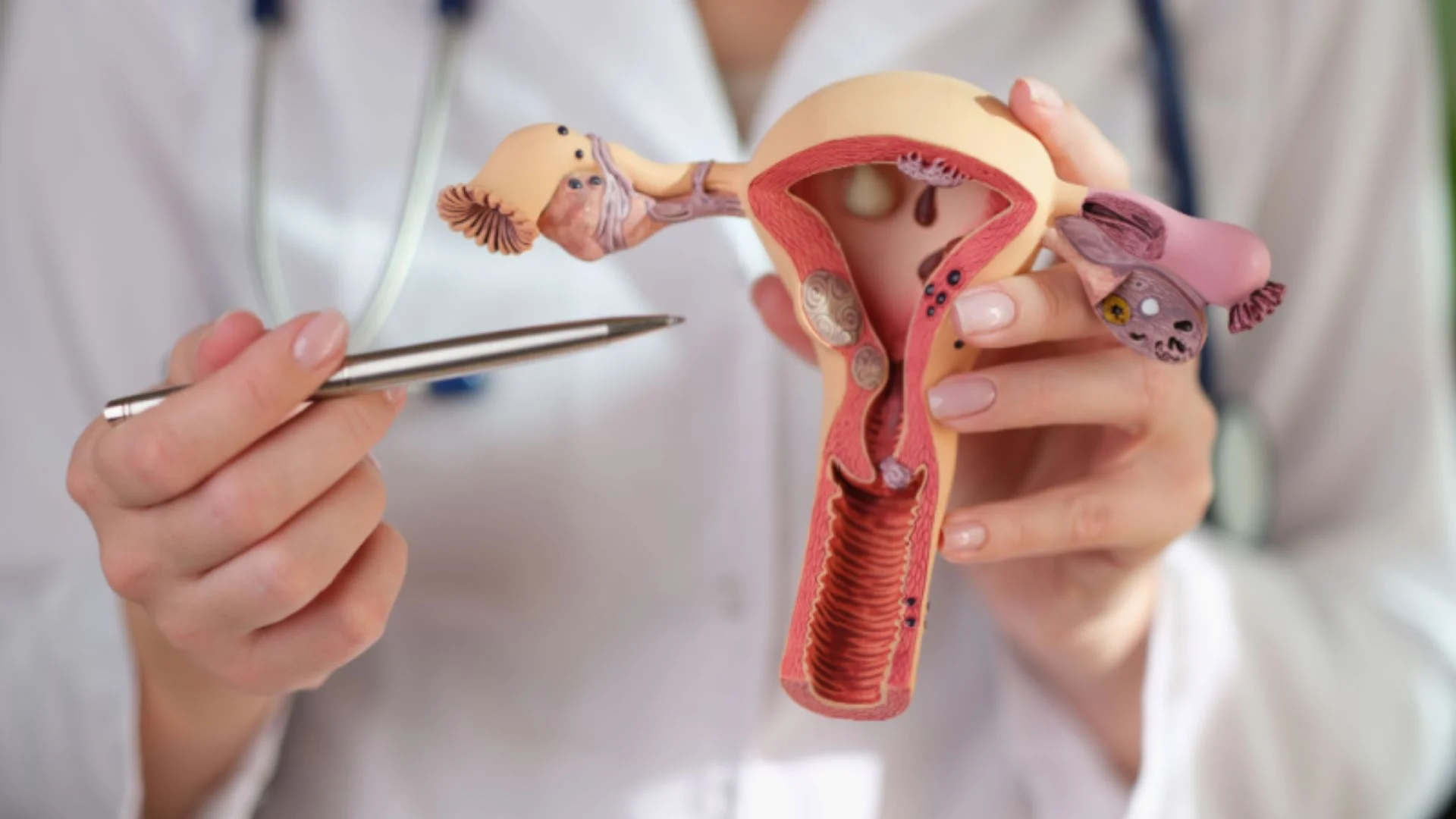
What Is Vaginismus? Causes, Symptoms, and Treatment Vaginismus is a sexual health condition that many women experience but often find difficult to discuss. It is characterized by the involuntary tightening of the vaginal muscles, which can make sexual intercourse, tampon use, or gynecological examinations painful or even impossible. Vaginismus can affect sexual life, emotional well-being, and overall quality of life. However, with proper treatment and support, it can be successfully managed. What Is Vaginismus? Vaginismus is the involuntary contraction of the muscles around the vagina, especially the pelvic floor muscles. These contractions usually happen during attempts at vaginal penetration, such as sexual intercourse, tampon use, or gynecological examination. The tightening may cause pain, fear, or complete inability to allow penetration. This condition does not mean that a woman has no sexual desire. In many cases, sexual desire and arousal are still present. The main problem is the body’s involuntary muscular response, which may be linked to physical or psychological factors. Vaginismus can range from mild discomfort to severe inability to tolerate any penetration. Some women experience it only during intercourse, while others may also have difficulty with tampons or medical examinations. Causes of Vaginismus The exact cause of vaginismus is not always easy to identify. In many women, it develops because of a combination of psychological and physical factors. Psychological Causes Fear and anxiety: Fear that penetration will be painful is one of the most common causes. This fear can trigger involuntary muscle tightening. Cultural and social influences: In some cultures, negative beliefs about sexuality, virginity, or intercourse may create anxiety and fear. Lack of sexual education: Women who do not have enough information about their bodies and sexual health may experience confusion, fear, or stress. Past trauma: Sexual abuse, rape, or previous painful medical experiences may contribute to the development of vaginismus. Physical Causes Infections: Vaginal infections or urinary tract infections may cause pain and may contribute to fear of penetration. Endometriosis: Pelvic pain caused by endometriosis may be associated with vaginismus symptoms. Previous surgery: Surgical procedures involving the vagina or pelvic area may lead to pain, tension, or fear. Hormonal changes: Menopause or other hormonal conditions may affect vaginal sensitivity and comfort. Symptoms of Vaginismus The main symptom of vaginismus is involuntary tightening of the vaginal muscles during attempted penetration. This may lead to several related symptoms: Pain or burning during penetration Difficulty using tampons, menstrual cups, or vaginal applicators Pain during gynecological examination or inability to complete the exam Pain during sexual intercourse Fear or anxiety related to vaginal penetration An important point is that women with vaginismus may still experience sexual arousal and orgasm. The problem is specifically related to vaginal penetration rather than sexual desire itself. Types of Vaginismus Vaginismus can be classified in different ways depending on when it begins and in which situations it occurs. Primary vaginismus: Penetration has always been difficult or impossible. It is often noticed during the first attempt at intercourse or tampon use. Secondary vaginismus: Vaginal penetration was possible in the past, but difficulty develops later due to trauma, pain, infection, or another medical reason. Global vaginismus: The problem occurs in all situations involving vaginal penetration. Situational vaginismus: The difficulty appears only in certain situations, such as intercourse but not medical examination, or vice versa. Diagnosis of Vaginismus Vaginismus is usually diagnosed through a clinical evaluation by a healthcare professional. Diagnosis often includes a detailed discussion of symptoms, sexual history, previous trauma, and medical background. A pelvic examination may be recommended to rule out other conditions such as infection, structural abnormalities, or endometriosis. Because this examination may feel difficult for women with vaginismus, good communication and a gentle approach are very important. In some cases, psychological assessment may also be suggested to better understand anxiety, fear, or trauma-related factors. Treatment Options for Vaginismus Vaginismus is treatable, and many women improve significantly with the right care. Treatment is often multidisciplinary and may include several methods together. Education and Counseling Learning about sexual anatomy, the pelvic floor, and the body’s response to anxiety can help reduce fear. Counseling may also help correct false beliefs about sexuality and improve confidence. Cognitive behavioral therapy may be useful in reducing fear and anxiety. Couples counseling may also be helpful when the condition affects the relationship. Pelvic Floor Physical Therapy Pelvic floor physical therapy can help women become more aware of their muscles and learn how to relax them. Exercises, guided relaxation, and biofeedback may improve muscle control over time. Gradual Dilation Gradual dilation involves the careful use of vaginal dilators of increasing sizes. This approach helps the body become more comfortable with penetration in a controlled and progressive way. It should be done under professional guidance whenever possible. Relaxation Techniques Deep breathing, yoga, meditation, and other relaxation exercises may help reduce physical tension and emotional stress. These methods may be useful as part of a broader treatment plan. Medications and Other Treatments In selected cases, doctors may consider muscle relaxants or anti-anxiety medications. In severe or resistant cases, botulinum toxin injections may sometimes be explored, although treatment planning should always be individualized. Common Treatment Methods and Their Benefits Different treatment methods may be used depending on the cause and severity of vaginismus. Education and counseling: Helps reduce fear and improves understanding of sexual health. Pelvic floor physical therapy: Improves muscle awareness and control. Gradual dilation: Helps the muscles adapt slowly and safely to penetration. Relaxation techniques: Supports stress reduction and muscle relaxation. Medication or advanced treatments: May be considered in selected severe cases. Living with Vaginismus Living with vaginismus can be emotionally challenging, but it is important to remember that treatment is possible and many women improve. Open communication with a partner may help reduce stress and create a more supportive environment. Being patient is important because treatment often takes time. Women should not blame themselves for the condition. Emotional support, accurate information, and appropriate care can make a major difference in recovery. It may also help to remember that intimacy and sexual

What Is Asherman Syndrome?

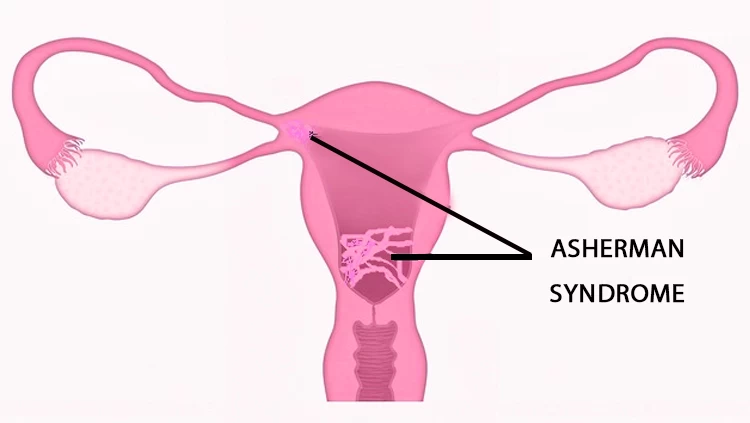
What Is Asherman Syndrome? Asherman Syndrome is a condition that causes scar tissue (adhesions) to form inside the uterus. This scar tissue can cause the walls of the uterus to stick together, affecting a woman’s ability to menstruate normally and become pregnant. It usually develops after postpartum complications, surgical procedures, or intrauterine interventions. The condition may present with symptoms such as absence of menstruation, menstrual irregularities, or infertility. Asherman Syndrome often requires surgical treatment; however, if diagnosed and treated early—before adhesions fully develop—complications can be prevented. More detailed information about diagnosis and treatment options should be obtained by consulting specialist physicians. Symptoms of Asherman Syndrome and Diagnostic Methods Asherman Syndrome is characterized by adhesions and scar tissue within the uterus. Symptoms may include menstrual irregularities, painful periods, or absence of menstruation. Some women may experience difficulty becoming pregnant due to Asherman Syndrome. The condition often develops after pelvic surgery, intrauterine procedures, or postpartum bleeding. The diagnostic process is supported by imaging techniques in addition to evaluating the patient’s symptoms. Hysteroscopy is one of the most effective methods for diagnosing this condition. During this procedure, a hysteroscope is used to directly visualize the inside of the uterus and detect adhesions. Other imaging methods such as X-ray or ultrasound may also be used; however, hysteroscopy allows for a more comprehensive evaluation of Asherman Syndrome. Recognizing symptoms and using appropriate diagnostic methods are critical for determining the severity of the condition and planning suitable treatment. Early diagnosis is important. Therefore, women experiencing menstrual irregularities or difficulty conceiving should consult a healthcare professional for proper evaluation. Causes and Risk Factors of Asherman Syndrome Asherman Syndrome typically occurs as a result of scar tissue formation in the inner uterine wall. This scar tissue may develop due to various reasons. The primary causes include previous uterine surgeries, postpartum complications, or infections. In particular, dilation and curettage (D&C) procedures are significant triggering factors. Another risk factor includes women who have previously experienced abnormal conditions within the uterus. Any trauma, infection, or surgical intervention may increase the risk of developing Asherman Syndrome. Additionally, hormonal imbalances in some women may influence the formation of scar tissue. Genetic predisposition and immune system-related problems are also considered potential risk factors. These conditions may trigger inflammatory processes within the uterus, increasing scar formation. A woman’s past experiences related to sexual and reproductive health may also be important determinants. Therefore, regular health check-ups are recommended, especially for those with known risk factors. What Are the Treatment Options for Asherman Syndrome? Treatment for Asherman Syndrome varies depending on the severity of the condition and the patient’s overall health. The first step is a detailed evaluation of the patient’s condition. In most cases, adhesions inside the uterus are removed through a procedure called hysteroscopy. This allows the doctor to directly visualize the uterine cavity and remove abnormal tissue. In some cases, additional treatment methods may be required after hysteroscopic surgery. For example, hormone therapy may be used to reduce the risk of re-adhesion within the uterus. Regular follow-up examinations are also very important after treatment. Alternative approaches may also be considered. Some women may benefit from natural methods and lifestyle changes; however, it is important to note that the effectiveness of these methods is not scientifically proven. Treatment options for Asherman Syndrome vary, and patients should work closely with their doctors throughout the process. Success Stories Related to Asherman Syndrome Although Asherman Syndrome can be a challenging experience, many women have overcome it and gone on to have successful pregnancies. These success stories serve as a source of hope for those facing the condition. Many women, after receiving a diagnosis, pursued appropriate treatments and ultimately experienced the joy of becoming mothers. Hysteroscopic surgery, which removes uterine adhesions, has enabled many women to conceive again. Here are some inspiring examples: Ayşe’s Story: Diagnosed with Asherman Syndrome at age 35, Ayşe conceived naturally after hysteroscopic surgery and now has a healthy baby. Zeynep’s Experience: After two consecutive miscarriages, 28-year-old Zeynep was diagnosed with Asherman Syndrome. Following treatment, she conceived through IVF and gave birth to twins. Fatma’s Success Story: At age 40, Fatma had tried many treatments without success due to Asherman Syndrome. After surgery, she finally received the joyful news that she was pregnant. These stories demonstrate that with proper treatment, the challenges of Asherman Syndrome can be overcome. Support groups and shared experiences on social media can provide encouragement for women facing similar journeys. Ways to Increase Pregnancy Chances with Asherman Syndrome For individuals diagnosed with Asherman Syndrome, the path to pregnancy may involve certain challenges. However, several methods and treatments may help increase the chances of conception: Medical Treatment: Doctors may recommend hormone therapy to improve the uterine environment and enhance the likelihood of pregnancy. Surgical Intervention: Removing intrauterine adhesions surgically is one of the most effective ways to improve pregnancy chances. Hysteroscopy is commonly preferred. Intrauterine Devices: After surgery, temporary devices may be placed inside the uterus to help prevent re-adhesion and maintain a suitable environment for pregnancy. Nutrition and Lifestyle Changes: A healthy diet and regular exercise can improve overall health and potentially increase fertility. Anti-inflammatory foods may help maintain hormonal balance. Psychological Support: Coping with Asherman Syndrome can be emotionally challenging. Psychological support can reduce stress and positively influence fertility. Consulting a specialist is essential to determine the most appropriate individualized approach. Coping with Asherman Syndrome Coping with Asherman Syndrome can be physically and emotionally demanding. Adopting effective coping strategies is important. Open communication with family and friends can provide emotional support and reduce feelings of isolation. Support groups can also be beneficial, allowing individuals to share experiences with others facing similar challenges. Stress management techniques such as meditation, yoga, and deep breathing exercises may help strengthen mental health and improve overall quality of life. Regular check-ups with a healthcare professional are crucial for monitoring both physical and mental well-being. Following professional guidance helps ensure proper treatment and overall health management. Frequently Asked Questions What is Asherman Syndrome?Asherman Syndrome is

What Is Polymenorrhea? Causes of Frequent Menstruation

What Is Polymenorrhea? Definition and Basic Information What is polymenorrhea? It refers to experiencing menstrual cycles more frequently than normal. Generally, if a person has periods at intervals shorter than 21 days, this condition is called polymenorrhea. This irregularity in the menstrual cycle can result from many factors and may affect an individual’s quality of life. This condition is commonly associated with hormonal changes, stress, or certain health problems. In individuals with polymenorrhea, the frequency and duration of menstrual bleeding may vary, often causing anxiety and discomfort. Although polymenorrhea is more common in younger age groups, it can occur in women of any age. It is particularly seen during adolescence and the perimenopausal period. Additionally, polymenorrhea may be a sign of underlying health issues. Therefore, individuals who frequently experience short menstrual cycles should consult a healthcare professional. What Causes Frequent Menstruation? Frequent menstruation is a condition that can lead to various health concerns. There are several possible underlying causes. First, hormonal imbalances are among the most common causes. Changes in estrogen and progesterone levels can directly affect the frequency of the menstrual cycle. Stress is also an important factor influencing the question, what is polymenorrhea? Intense life conditions, work pressure, or personal problems may create stress in the body and accelerate the menstrual cycle. Certain medical conditions may also contribute. Disorders such as polycystic ovary syndrome (PCOS) can lead to frequent periods. In addition, thyroid problems and some blood disorders may cause increased menstrual frequency. Any changes before or after menstruation can disrupt the cycle. Therefore, women should take any menstrual irregularities seriously and consult a specialist. Symptoms of Polymenorrhea and Diagnostic Methods While the question what is polymenorrhea? is frequently asked, understanding its symptoms and diagnostic methods is also important. Polymenorrhea refers to unusually frequent menstrual cycles and may present with the following symptoms: Menstrual bleeding occurring at intervals shorter than 21 days Heavier and longer-lasting bleeding than usual Pain during the menstrual cycle Low energy levels and fatigue Emotional fluctuations or mood changes To diagnose polymenorrhea, several evaluations are typically performed. The first step is reviewing the patient’s medical history and symptoms. A doctor may then use the following diagnostic methods: External genital examination Ultrasonography to assess the uterus and ovaries Blood tests to measure hormone levels Hysteroscopy to visualize the inside of the uterus Based on these evaluations, the doctor can confirm polymenorrhea and determine appropriate treatment options. The Relationship Between Hormonal Imbalance and Polymenorrhea The question what is polymenorrhea? is closely linked to hormonal imbalances. Hormonal imbalance is one of the most important factors triggering this condition. The female body contains many hormones that regulate the menstrual cycle. Changes in estrogen and progesterone levels can directly affect menstrual timing. Excess estrogen production or insufficient progesterone may lead to frequent periods. Hormonal imbalances may also be triggered by external factors such as stress, extreme weight loss or gain, or excessive exercise. Furthermore, thyroid disorders and polycystic ovary syndrome (PCOS) may cause hormonal imbalances and reinforce frequent menstruation. Proper evaluation by a specialist is essential in these cases. Regulating hormone levels is one of the primary ways to manage frequent menstruation. When hormonal balance is restored, the menstrual cycle often returns to normal. What Are the Treatment Options for Polymenorrhea? Understanding what polymenorrhea is also involves knowing how to manage and treat it. Treatment options vary depending on the underlying cause. The first step is identifying the root cause. Hormonal imbalances, stress, excessive physical activity, or obesity may influence the condition. Doctors typically conduct blood tests, ultrasounds, or other imaging methods for individualized assessment. Hormone therapy, birth control pills, or cycle-regulating medications are common treatments. Lifestyle changes may also be recommended. A healthy diet and regular exercise can help restore hormonal balance. If polymenorrhea is caused by an underlying condition such as uterine fibroids or polyps, surgical intervention may be necessary. Consulting a specialist is always the most appropriate approach, as treatment plans should be individualized. Ways to Prevent Frequent Menstruation Frequent menstruation can significantly impact a woman’s quality of life. Becoming informed about what polymenorrhea is is the first step toward prevention. Here are some recommendations: Balanced Nutrition: A diet rich in vitamins and minerals can support hormonal balance. Omega-3 fatty acids may help regulate the menstrual cycle due to their anti-inflammatory properties. Stress Management: High stress levels may cause hormonal imbalance. Meditation, yoga, and deep breathing exercises can be effective in reducing stress. Regular Exercise: Physical activity helps balance hormones and improves overall health. Light exercise several times a week may positively affect the menstrual cycle. Adequate Sleep: Lack of sleep may contribute to hormonal imbalance. Sleeping at least 7–8 hours per day supports hormonal health. Regular Medical Check-Ups: Visiting a gynecologist regularly allows early diagnosis of potential problems. Professional support is especially important if you experience frequent periods. With these measures, it is possible to better understand what polymenorrhea is and maintain a healthier life. Every woman is unique, so individual needs should always be considered. Frequently Asked Questions What is polymenorrhea?Polymenorrhea is the condition of having menstrual periods more frequently than normal, typically at intervals shorter than 21 days. What are the common causes of polymenorrhea?Common causes include hormonal imbalances, stress, intense exercise, weight loss, and certain medical conditions. Which age groups experience polymenorrhea more often?It is more common in adolescent girls and perimenopausal women. Is polymenorrhea a health risk?Polymenorrhea itself is not usually dangerous, but if there is an underlying medical condition, it may pose risks. Consulting a doctor is important. Does polymenorrhea require treatment?Treatment may be necessary if it causes discomfort or occurs with other symptoms. Mild cases may not require treatment. How can I regulate my menstrual cycle with polymenorrhea?Maintaining a healthy diet, reducing stress, and adopting a regular lifestyle are important. Medical advice should also be followed. Can polymenorrhea be a sign of other diseases?Yes, polymenorrhea may be a symptom of conditions such as polycystic ovary syndrome (PCOS), thyroid disorders, or uterine fibroids.

1 5 6 7 8