Popup Görseli

Category: Blog

Home Blog Page 3

Before IVF Treatment

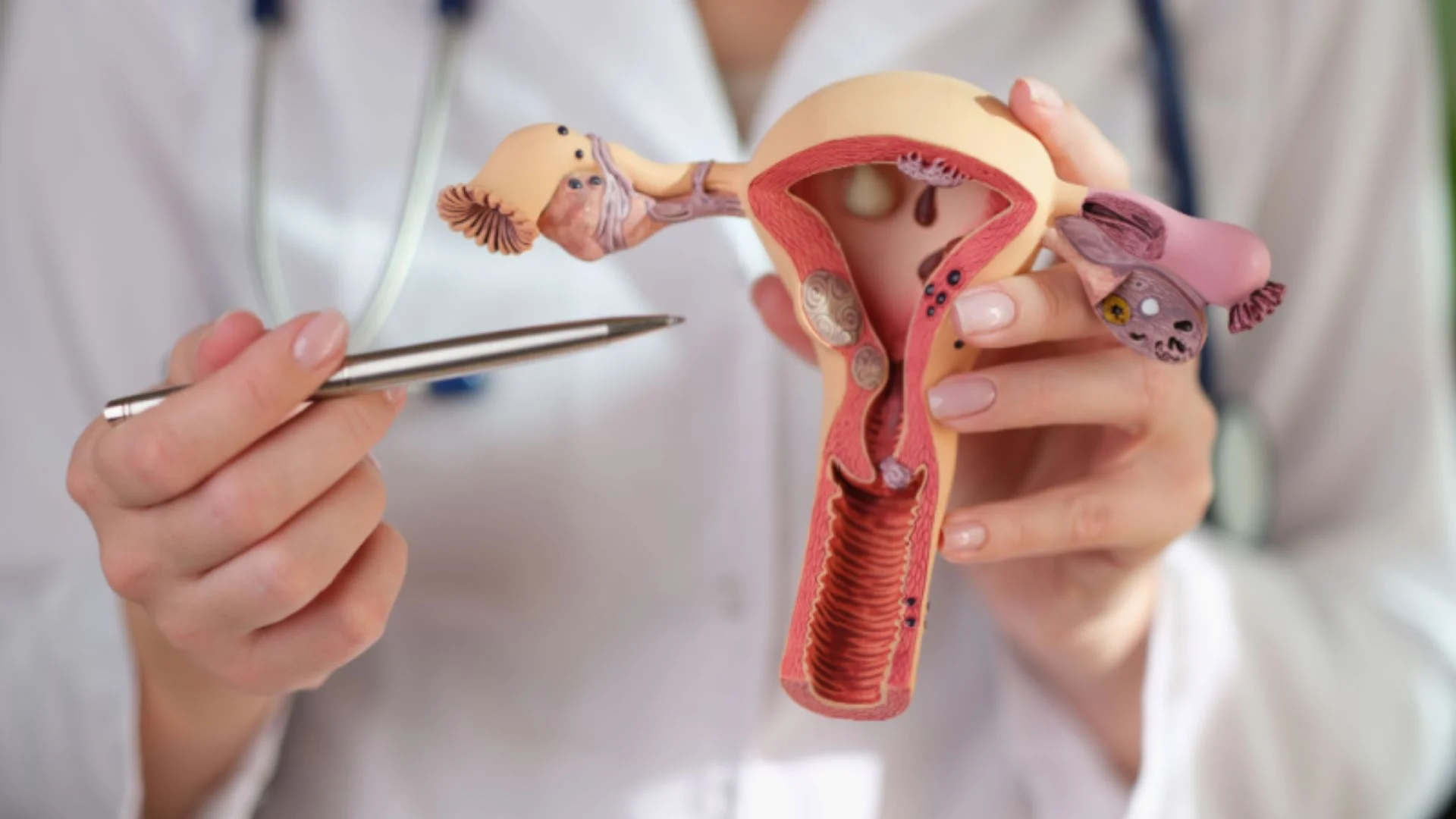
Before IVF Treatment: Preparation and What to Expect Before IVF treatment (In Vitro Fertilisation – IVF), couples often want to understand how the process works and what preparations are necessary. IVF treatment is one of the most effective fertility treatments for couples experiencing infertility. Preparing both physically and emotionally before starting IVF can help couples manage the treatment process more confidently and improve the chances of success. Preparing for IVF treatment usually includes medical evaluation, lifestyle adjustments, and understanding the stages of the IVF process. Proper preparation allows doctors to create the most appropriate treatment plan for each couple. What Happens Before IVF Treatment? Before starting IVF treatment, couples usually undergo a detailed fertility evaluation. Thousands of couples seek medical advice every year when they are unable to conceive naturally. Understanding the IVF treatment stages helps reduce anxiety and allows couples to approach the process with realistic expectations. Open communication between the couple and the fertility specialist is extremely important during this stage. Main Stages of IVF Treatment Initial medical examination and fertility evaluation Ovarian stimulation with fertility medications Egg retrieval procedure Fertilisation and embryo development Embryo transfer Pregnancy test Initial Examination and Fertility Evaluation The IVF process usually begins with a detailed consultation between the couple and a fertility specialist. During this consultation, doctors review medical history and previous fertility treatments. Many couples consider IVF after experiencing difficulty conceiving naturally. However, fertility specialists generally recommend trying to conceive naturally for at least one year before starting IVF treatment, unless there are known fertility problems. During the evaluation stage, doctors consider several factors including: Age of both partners Duration of infertility Previous pregnancies or treatments Medical history Medical Tests Before IVF Treatment Several tests may be required before starting IVF treatment to identify possible fertility problems and determine the most suitable treatment plan. Common tests include: Semen analysis for the male partner Hormone blood tests for both partners Hysterosalpingography (HSG) to examine the uterus and fallopian tubes Ultrasound evaluation of the ovaries and uterus Chromosome analysis in selected cases Review of previous medical or surgical reports These tests help fertility specialists determine the cause of infertility and improve the chances of success before IVF treatment begins. How to Prepare Before IVF Treatment Preparing properly before IVF treatment can positively affect treatment outcomes. Doctors often recommend lifestyle adjustments before starting fertility treatment. Important preparation steps may include: Maintaining a healthy body weight Stopping smoking and limiting alcohol consumption Reducing stress levels Eating a balanced diet rich in nutrients Taking recommended vitamins such as folic acid These changes support reproductive health and may improve the chances of successful fertilisation and pregnancy. Factors That Affect IVF Success IVF success rates depend on several factors, including the age of the woman, egg quality, sperm quality, and overall reproductive health. Younger women generally have higher IVF success rates, while success rates may decrease with increasing age. Other important factors include embryo quality and the experience of the fertility clinic. Conclusion Understanding what happens before IVF treatment helps couples feel more prepared and confident about starting fertility treatment. Proper medical evaluation, healthy lifestyle habits, and clear communication with fertility specialists can significantly improve the chances of IVF success.
IVF Prices 2026 | Current IVF Treatment and Success Rates

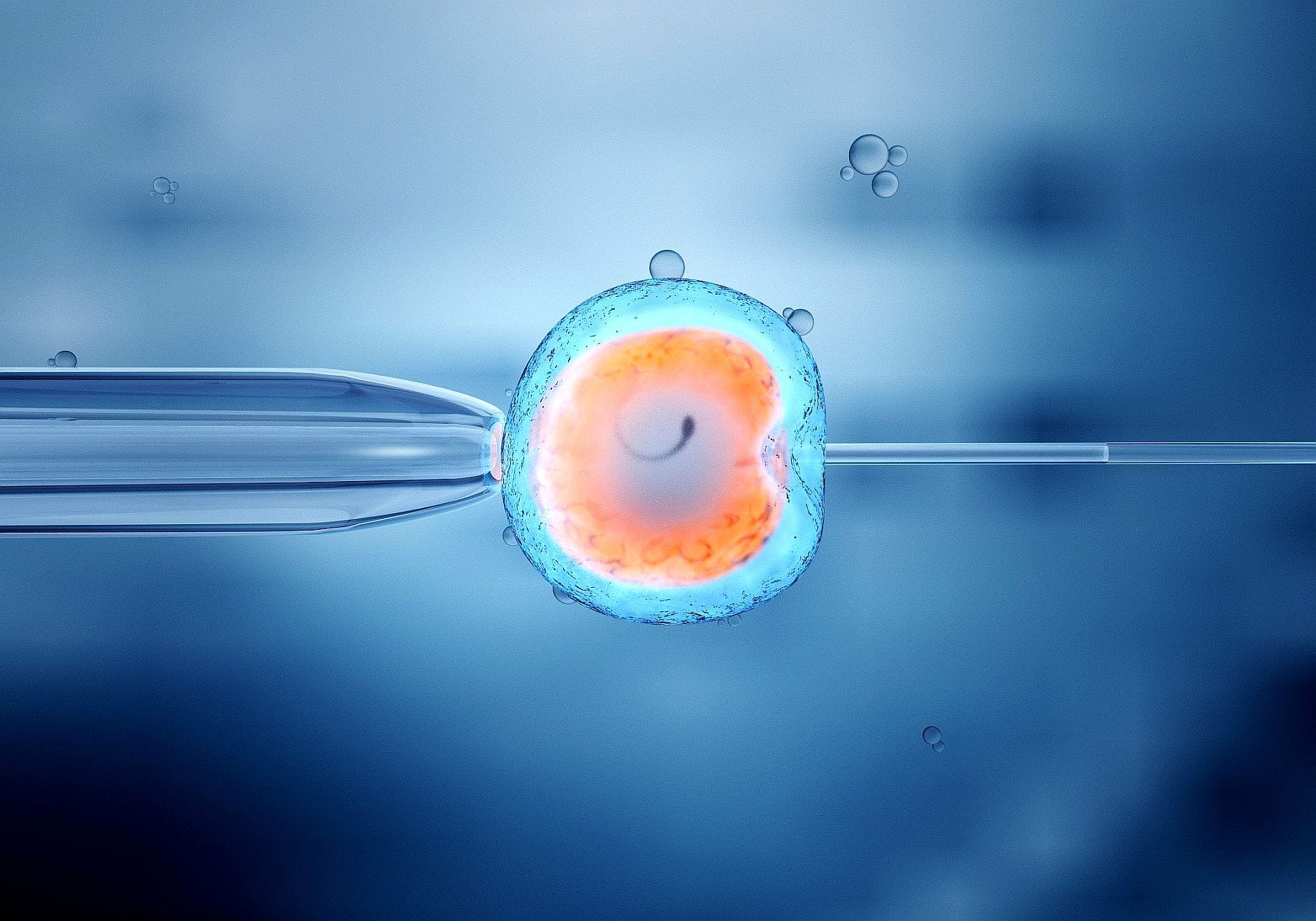
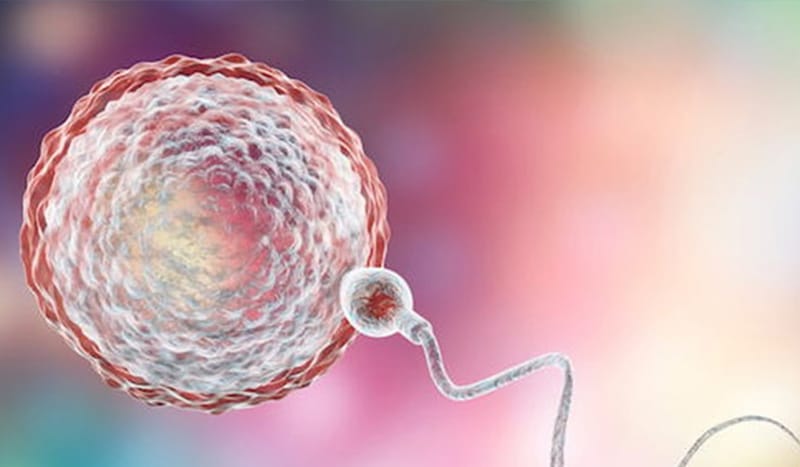
IVF Prices 2026: Current IVF Treatment Costs and Success Rates IVF Prices 2026 are one of the most searched topics for couples planning fertility treatment. In vitro fertilization (IVF) continues to be one of the most effective assisted reproductive techniques available today. Thanks to advanced laboratory technologies, personalized treatment protocols, and improved success rates, IVF treatment in 2026 offers more reliable outcomes than ever before. In this guide, you will find the most up-to-date information about IVF Prices 2026, treatment stages, success rates, and the factors that influence IVF treatment costs. How Much Are IVF Prices 2026? The average IVF Prices 2026 generally range between 6,000 and 15,000 euros. However, the final cost of treatment may vary depending on the clinic, laboratory technology, and additional medical procedures required. Several important factors influence IVF treatment costs: The woman’s age and ovarian reserve The IVF technique used (IVF, ICSI, PGT testing, embryo freezing) Laboratory quality and medical technology Medication and hormone stimulation protocols Additional diagnostic tests and monitoring Advanced technologies such as genetic embryo screening (PGT-A) and time-lapse embryo monitoring systems can increase treatment success while also affecting overall costs. Advantages of IVF Treatment in 2026 Modern fertility medicine continues to improve IVF outcomes. As a result, many couples researching IVF Prices 2026 also want to understand the advantages of undergoing treatment today. Higher Success Rates New generation IVF laboratory systems allow embryologists to monitor embryo development more accurately. This increases the probability of selecting healthy embryos. Personalized IVF Protocols In 2026, fertility clinics often use individualized treatment plans. Each patient receives a personalized medication protocol designed according to their hormonal profile and reproductive history. Advanced Fertility Technologies Time-lapse embryo monitoring systems Preimplantation genetic testing (PGT) Improved embryo culture environments These innovations help fertility specialists choose the healthiest embryos for transfer. IVF Treatment Process in 2026 Understanding the treatment stages is essential for couples researching IVF Prices 2026. The IVF process generally includes the following steps: Initial Consultation and Fertility Evaluation Hormone tests, ultrasound scans, and sperm analysis are performed. Ovarian Stimulation Hormonal medications stimulate the ovaries to produce multiple eggs. Egg Retrieval and Fertilization Eggs are collected and fertilized with sperm in the laboratory using IVF or ICSI. Embryo Transfer Healthy embryos are transferred into the uterus in a simple procedure. Pregnancy Test A blood test is performed about 10–12 days after embryo transfer. Factors That Influence IVF Prices 2026 The final cost of fertility treatment depends on multiple medical and logistical factors. Couples researching IVF Prices 2026 should consider: Age of the female patient Egg quality and ovarian reserve Need for donor eggs or sperm Use of genetic embryo testing Number of treatment cycles required Each couple’s fertility situation is unique, so treatment plans and costs can vary. Why Many Couples Choose IVF Treatment in 2026 There are several reasons why IVF treatment continues to grow in popularity worldwide: Higher pregnancy success rates compared with many other fertility treatments Advanced laboratory technology and improved embryo selection Personalized fertility treatment protocols Better monitoring and medical safety Many clinics also offer international patient services, including consultation support, travel guidance, and treatment coordination. Frequently Asked Questions About IVF Prices 2026 How long does IVF treatment take? The complete IVF process typically takes between 3 and 6 weeks depending on the patient’s response to medication. Is IVF success guaranteed? No fertility treatment can guarantee pregnancy. However, experienced clinics and modern technologies significantly improve success rates. Does age affect IVF success? Yes. Fertility outcomes are generally higher in women under 35, while egg quality may decline with increasing age. Conclusion IVF Prices 2026 reflect both technological advancements and individualized treatment approaches in modern fertility medicine. With improved laboratory techniques, experienced fertility specialists, and personalized care, many couples now have greater opportunities to achieve their dream of parenthood. If you are considering IVF treatment, consulting a specialized fertility center can help you understand your options and determine the most appropriate treatment plan.

Egg Donation Prices 2026

Egg Donation Prices 2026: Current Costs and Treatment Guide Egg Donation Prices 2026 are one of the most searched topics for couples considering fertility treatment. Egg donation is a widely used assisted reproductive technique that allows women with low ovarian reserve or poor egg quality to achieve pregnancy using donor eggs. In 2026, advances in fertility technology, laboratory techniques, and donor screening procedures continue to improve treatment success rates. However, the cost of egg donation may vary depending on several factors such as clinic experience, laboratory technology, and additional procedures included in the treatment plan. This guide explains Egg Donation Prices 2026, the treatment process, success rates, and the main factors that influence overall costs. How Much Are Egg Donation Prices 2026? The average Egg Donation Prices 2026 typically range between 6,000 and 15,000 euros. However, the final treatment cost may vary depending on the fertility clinic and the medical procedures required during the treatment process. Several important factors influence egg donation costs: The experience and reputation of the fertility clinic The quality of laboratory equipment and IVF technologies Donor screening procedures and medical evaluations Medication and hormonal preparation protocols Additional treatments such as genetic testing (PGT) or embryo freezing Because each patient has different fertility needs, treatment plans are usually customized to maximize success rates. Egg Donation Treatment in 2026 Egg donation remains one of the most successful fertility treatments available in modern reproductive medicine. Many couples researching Egg Donation Prices 2026 are also interested in understanding how the treatment works. During the procedure, eggs from a healthy donor are retrieved and fertilized with sperm from the recipient’s partner or a sperm donor. The resulting embryos are then transferred into the uterus of the intended mother. This process significantly increases the chances of pregnancy, especially for women who cannot conceive using their own eggs. Advantages of Egg Donation Treatment Egg donation offers several important advantages for couples facing infertility. High Success Rates Eggs obtained from young and healthy donors generally have better quality, which improves the probability of pregnancy. Personalized Treatment Plans Fertility clinics create individualized treatment protocols based on each patient’s medical history and reproductive health. Advanced Laboratory Technologies Modern clinics use technologies such as preimplantation genetic testing (PGT), microinjection (ICSI), and embryo freezing. Confidentiality and Safety Donor identities are kept confidential, ensuring privacy and ethical treatment standards. Why Egg Donation Is Increasingly Popular in 2026 Interest in egg donation treatment continues to grow worldwide. Couples researching Egg Donation Prices 2026 often discover that this method offers one of the highest success rates among fertility treatments. Technological advances in embryo development, genetic testing, and laboratory monitoring systems have significantly improved treatment outcomes compared with previous years. As a result, more couples from Europe, the Middle East, and North Africa are choosing egg donation as a solution for infertility. Egg Donation Prices 2026 in Cyprus Cyprus has become one of the most popular destinations for fertility treatments in recent years. Many patients researching Egg Donation Prices 2026 consider Cyprus due to its combination of affordable treatment costs and high medical standards. Egg donation treatment prices in Cyprus generally range between 5,000 and 8,000 euros, making them significantly more affordable compared with many European countries. In addition to competitive pricing, fertility clinics in Cyprus offer modern laboratories, experienced fertility specialists, and internationally recognized treatment protocols. Advantages of Egg Donation Treatment in Cyprus Affordable Costs Egg donation treatment in Cyprus is more economical compared to many countries in Europe. High Success Rates Modern laboratories and experienced medical teams increase the likelihood of pregnancy. Comfortable Treatment Environment The Mediterranean climate and peaceful environment can help reduce stress during the treatment process. Easy International Access Direct flights from many European cities make Cyprus easily accessible for international patients. Conclusion Egg Donation Prices 2026 vary depending on medical technologies, clinic expertise, and individual treatment needs. With improved laboratory techniques and personalized treatment plans, egg donation continues to provide hope for thousands of couples around the world. Choosing a reputable fertility center and receiving professional medical guidance are essential steps toward achieving a successful pregnancy.

What Is Vaginismus? Causes, Symptoms, and Treatment

What Is Vaginismus? Causes, Symptoms, and Treatment Vaginismus is a sexual health condition that many women experience but often find difficult to discuss. It is characterized by the involuntary tightening of the vaginal muscles, which can make sexual intercourse, tampon use, or gynecological examinations painful or even impossible. Vaginismus can affect sexual life, emotional well-being, and overall quality of life. However, with proper treatment and support, it can be successfully managed. What Is Vaginismus? Vaginismus is the involuntary contraction of the muscles around the vagina, especially the pelvic floor muscles. These contractions usually happen during attempts at vaginal penetration, such as sexual intercourse, tampon use, or gynecological examination. The tightening may cause pain, fear, or complete inability to allow penetration. This condition does not mean that a woman has no sexual desire. In many cases, sexual desire and arousal are still present. The main problem is the body’s involuntary muscular response, which may be linked to physical or psychological factors. Vaginismus can range from mild discomfort to severe inability to tolerate any penetration. Some women experience it only during intercourse, while others may also have difficulty with tampons or medical examinations. Causes of Vaginismus The exact cause of vaginismus is not always easy to identify. In many women, it develops because of a combination of psychological and physical factors. Psychological Causes Fear and anxiety: Fear that penetration will be painful is one of the most common causes. This fear can trigger involuntary muscle tightening. Cultural and social influences: In some cultures, negative beliefs about sexuality, virginity, or intercourse may create anxiety and fear. Lack of sexual education: Women who do not have enough information about their bodies and sexual health may experience confusion, fear, or stress. Past trauma: Sexual abuse, rape, or previous painful medical experiences may contribute to the development of vaginismus. Physical Causes Infections: Vaginal infections or urinary tract infections may cause pain and may contribute to fear of penetration. Endometriosis: Pelvic pain caused by endometriosis may be associated with vaginismus symptoms. Previous surgery: Surgical procedures involving the vagina or pelvic area may lead to pain, tension, or fear. Hormonal changes: Menopause or other hormonal conditions may affect vaginal sensitivity and comfort. Symptoms of Vaginismus The main symptom of vaginismus is involuntary tightening of the vaginal muscles during attempted penetration. This may lead to several related symptoms: Pain or burning during penetration Difficulty using tampons, menstrual cups, or vaginal applicators Pain during gynecological examination or inability to complete the exam Pain during sexual intercourse Fear or anxiety related to vaginal penetration An important point is that women with vaginismus may still experience sexual arousal and orgasm. The problem is specifically related to vaginal penetration rather than sexual desire itself. Types of Vaginismus Vaginismus can be classified in different ways depending on when it begins and in which situations it occurs. Primary vaginismus: Penetration has always been difficult or impossible. It is often noticed during the first attempt at intercourse or tampon use. Secondary vaginismus: Vaginal penetration was possible in the past, but difficulty develops later due to trauma, pain, infection, or another medical reason. Global vaginismus: The problem occurs in all situations involving vaginal penetration. Situational vaginismus: The difficulty appears only in certain situations, such as intercourse but not medical examination, or vice versa. Diagnosis of Vaginismus Vaginismus is usually diagnosed through a clinical evaluation by a healthcare professional. Diagnosis often includes a detailed discussion of symptoms, sexual history, previous trauma, and medical background. A pelvic examination may be recommended to rule out other conditions such as infection, structural abnormalities, or endometriosis. Because this examination may feel difficult for women with vaginismus, good communication and a gentle approach are very important. In some cases, psychological assessment may also be suggested to better understand anxiety, fear, or trauma-related factors. Treatment Options for Vaginismus Vaginismus is treatable, and many women improve significantly with the right care. Treatment is often multidisciplinary and may include several methods together. Education and Counseling Learning about sexual anatomy, the pelvic floor, and the body’s response to anxiety can help reduce fear. Counseling may also help correct false beliefs about sexuality and improve confidence. Cognitive behavioral therapy may be useful in reducing fear and anxiety. Couples counseling may also be helpful when the condition affects the relationship. Pelvic Floor Physical Therapy Pelvic floor physical therapy can help women become more aware of their muscles and learn how to relax them. Exercises, guided relaxation, and biofeedback may improve muscle control over time. Gradual Dilation Gradual dilation involves the careful use of vaginal dilators of increasing sizes. This approach helps the body become more comfortable with penetration in a controlled and progressive way. It should be done under professional guidance whenever possible. Relaxation Techniques Deep breathing, yoga, meditation, and other relaxation exercises may help reduce physical tension and emotional stress. These methods may be useful as part of a broader treatment plan. Medications and Other Treatments In selected cases, doctors may consider muscle relaxants or anti-anxiety medications. In severe or resistant cases, botulinum toxin injections may sometimes be explored, although treatment planning should always be individualized. Common Treatment Methods and Their Benefits Different treatment methods may be used depending on the cause and severity of vaginismus. Education and counseling: Helps reduce fear and improves understanding of sexual health. Pelvic floor physical therapy: Improves muscle awareness and control. Gradual dilation: Helps the muscles adapt slowly and safely to penetration. Relaxation techniques: Supports stress reduction and muscle relaxation. Medication or advanced treatments: May be considered in selected severe cases. Living with Vaginismus Living with vaginismus can be emotionally challenging, but it is important to remember that treatment is possible and many women improve. Open communication with a partner may help reduce stress and create a more supportive environment. Being patient is important because treatment often takes time. Women should not blame themselves for the condition. Emotional support, accurate information, and appropriate care can make a major difference in recovery. It may also help to remember that intimacy and sexual

1 2 3 4 5