
Popup Görseli

Category: Genel

Home Genel Page 3

Chlamydia and Infertility

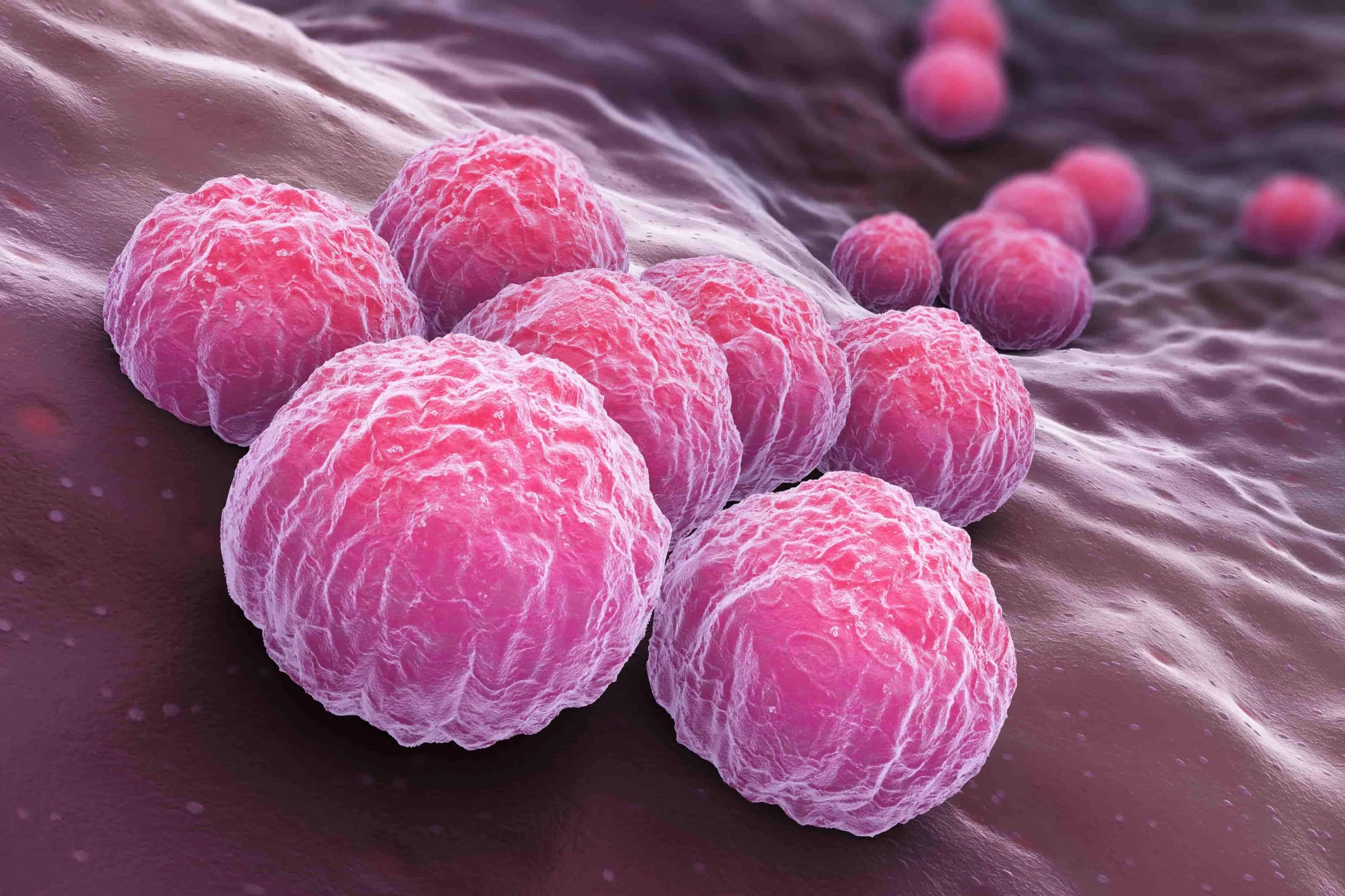
Chlamydia and Infertility: What Is a Chlamydia Infection? Chlamydia and infertility are closely connected because an untreated chlamydia infection can permanently damage the reproductive organs. Chlamydia is a sexually transmitted infection caused by the bacterium Chlamydia trachomatis. It spreads mainly through sexual contact and is one of the most common bacterial sexually transmitted infections worldwide. Because chlamydia often causes no clear symptoms, many people may carry and spread the infection without knowing it. If left untreated, a chlamydia infection can lead to serious health problems such as pelvic inflammatory disease, uterine infection, blocked fallopian tubes, and an increased risk of infertility. In men, it may affect the testicles and epididymis and may also negatively influence sperm quality. For this reason, early diagnosis and treatment are very important for protecting long-term reproductive health. Regular sexual health screening, protective measures during sexual activity, and awareness of sexually transmitted infections are important for prevention and early detection. How Does Chlamydia Spread? Chlamydia spreads through sexual contact and can be transmitted by: Vaginal intercourse Anal intercourse Oral sex Unprotected sexual activity significantly increases the risk of infection. Even when no symptoms are present, the infection may still be transmitted. Sharing sex toys without proper cleaning or protection may also contribute to spread. Chlamydia may also pass from mother to baby during childbirth. For this reason, screening during pregnancy may be important in selected cases to reduce the risk of complications in the newborn. Because the infection is often silent, especially in younger adults, regular testing and safer sexual practices are important ways to reduce transmission. The Link Between Chlamydia and Female Infertility A chlamydia infection may significantly increase the risk of infertility in women. If it is not treated, the infection can spread upward to the uterus and fallopian tubes and may cause inflammation and damage in the upper reproductive tract. Blocked or scarred fallopian tubes may prevent fertilization, making pregnancy more difficult. In some cases, chlamydia may lead to pelvic inflammatory disease, which increases the risk of ectopic pregnancy and long-term fertility problems. Because the infection may progress without warning signs, timely treatment is essential. Early diagnosis and antibiotic therapy may greatly reduce the risk of complications related to chlamydia and infertility. How Is Chlamydia Diagnosed? Chlamydia is usually diagnosed with simple laboratory testing. Depending on the patient, doctors may request one or more of the following: Urine tests Vaginal swab samples in women Urethral swab samples in men These samples are analyzed to detect the presence of Chlamydia trachomatis. Testing is usually quick, and early diagnosis allows treatment to begin promptly. Early treatment may help reduce the reproductive risks linked to chlamydia. Chlamydia Treatment and Infertility Risk Chlamydia is typically treated with antibiotics. When diagnosed early and treated properly, the infection can usually be cured and the risk of long-term reproductive damage may be reduced. It is important to complete the full course of antibiotics even if symptoms improve quickly. However, delayed treatment may allow inflammation and scarring to develop. This may increase infertility risk in both women and men. Recurrent infections may raise the chance of long-term complications even further. Completing treatment correctly and ensuring that sexual partners are also evaluated when necessary are important steps in reducing reinfection and protecting reproductive health. Prevention Methods To reduce the risk of chlamydia infection and protect fertility, the following steps may help: Use condoms consistently during sexual activity Have regular STI screenings, especially with new or multiple partners Maintain open communication with sexual partners Avoid unprotected sex and high-risk sexual behaviors Seek medical advice if you notice unusual discharge, genital discomfort, or pelvic pain Early diagnosis and treatment can significantly lower the risk of infertility and other complications related to chlamydia and infertility. Does Untreated Chlamydia Cause Infertility? Yes, untreated chlamydia may lead to infertility in both women and men. In women, it may damage the fallopian tubes and uterus, affecting normal reproductive function and increasing the risk of ectopic pregnancy. In men, untreated infection may lead to inflammation in the epididymis, testicles, or nearby reproductive structures, which may negatively affect sperm production and sperm quality. For this reason, early diagnosis and proper treatment are essential for protecting fertility and preventing avoidable reproductive problems. Chlamydia and Male Infertility Chlamydia infection in men is often asymptomatic, but it may still cause complications over time. If untreated, it can contribute to: Epididymitis Inflammation in the testicular area Reduced sperm quality and motility These complications may increase the risk of male infertility and may also lead to chronic pelvic or scrotal discomfort. Regular testing and timely medical care can help reduce these long-term reproductive risks. Anyone who has had unprotected sex or multiple partners should consider testing for chlamydia and other sexually transmitted infections, even in the absence of symptoms. Frequently Asked Questions About Chlamydia and Infertility Can chlamydia be cured? Yes. Chlamydia can usually be cured with appropriate antibiotic treatment. However, damage that has already occurred may not always be reversible, which is why early treatment is important. How often should I get tested for chlamydia? Sexually active individuals, especially younger adults and people with new or multiple partners, may benefit from regular STI screening. The appropriate testing schedule should be discussed with a doctor. Is it safe to try for pregnancy after chlamydia treatment? In many cases, pregnancy can be attempted after treatment is completed and the infection has cleared. If there has been recurrent infection or pelvic inflammatory disease, additional fertility evaluation may be helpful. This article is for general information only and does not replace medical advice. If you suspect a chlamydia infection or have concerns about fertility, you should consult a qualified healthcare professional for proper evaluation and treatment.

Nutrition in Men During IVF Treatment

Nutrition in Men During IVF Treatment: Foods That Affect Sperm Quality Nutrition in men during IVF treatment plays an important role in sperm quality and overall reproductive health. A balanced diet may support sperm production, improve sperm quality, and contribute positively to fertility, especially in men who are planning a pregnancy or already undergoing IVF treatment. Foods rich in antioxidants may help reduce oxidative stress and support sperm health. Omega-3 fatty acids are also important in male reproductive health and may contribute to better sperm motility and overall quality. Adequate protein intake may also help support hormone balance and normal reproductive function. Foods that are often recommended in daily nutrition in men include: Red meat in moderation Fish, especially fatty fish Walnuts and other nuts Dark leafy greens Fresh fruits and vegetables On the other hand, excessive caffeine and alcohol intake may negatively affect sperm quality. During IVF treatment, it is important for men to pay close attention to nutrition in men and to avoid harmful habits. Improving dietary habits and supporting sperm health may also contribute to overall treatment success together with medical and female reproductive factors. Making informed nutritional choices, exercising regularly, and managing stress may all support sperm quality. A healthy lifestyle combined with balanced nutrition in men may help protect and improve male fertility in the long term. Vitamins That Increase Male Fertility Certain vitamins may support male fertility by contributing to sperm quality, hormone balance, and reproductive health when included as part of nutrition in men. Vitamin C and Vitamin E: These antioxidants may help protect sperm cells from oxidative damage and support overall sperm health. Folic Acid: May support sperm count and help protect genetic material. Vitamin B6: Supports hormone regulation and general reproductive function. Minerals such as zinc and selenium are also important because they contribute to sperm production and motility. Including foods rich in these nutrients in daily nutrition in men may help improve fertility potential. Supplements should only be used under medical supervision and according to individual needs. The Impact of Protein Intake on Reproductive Health Nutrition in men has a direct effect on reproductive health, and protein intake is one of the important factors influencing sperm quality. Men who consume adequate amounts of high-quality protein may have better reproductive health compared with those whose diets are poor in protein. Protein supports healthy sperm production and normal cell function. Protein-rich foods include: Chicken and turkey Fish Eggs Legumes such as lentils, chickpeas, and beans Unsalted nuts and seeds These foods may support reproductive health and help maintain stable hormone levels. For couples undergoing IVF treatment, a balanced diet with good-quality protein may be beneficial. The Role of Antioxidant-Rich Foods in Nutrition in Men Antioxidant-rich foods play an important role in male reproductive health. Antioxidants help neutralize free radicals, reduce cellular damage, and support sperm quality and motility. Foods rich in antioxidants include: Colorful fruits and vegetables such as berries, citrus fruits, and tomatoes Dark leafy greens such as spinach, kale, and arugula Fish Nuts and seeds Whole grains and legumes Regular intake of these foods as part of healthy nutrition in men may support sperm health and fertility potential. For men preparing for IVF treatment, an antioxidant-rich diet may be especially helpful in the months before treatment. The Effect of Caffeine and Alcohol on Sperm Quality Nutrition in men and lifestyle habits may directly affect sperm quality. Caffeine and alcohol consumption may significantly affect sperm quality, especially when used excessively over a long period. These habits are therefore an important part of nutrition in men during fertility care and IVF treatment. High caffeine intake may reduce sperm motility and may affect hormone balance in some men. Heavy alcohol use may negatively influence sperm count, DNA integrity, and overall sperm quality. In addition, alcohol may contribute to weight gain and liver problems, which can indirectly affect hormone production. Men who want to improve fertility or who are undergoing IVF treatment should limit caffeine and alcohol as much as possible. Drinking enough water, choosing healthier beverages, and avoiding excessive alcohol may be simple but effective steps. The Importance of Omega-3 Fatty Acids in Male Reproductive Health Omega-3 fatty acids are important for male fertility and general health. These healthy fats have anti-inflammatory properties, support cell membrane structure, and may improve sperm motility and morphology when included in daily nutrition in men. Foods rich in Omega-3 include: Fatty fish such as salmon, sardines, and mackerel Flaxseeds and chia seeds Walnuts Olive oil and other healthy oils Regular consumption of these foods may support sperm quality and reproductive function. For men who do not eat enough fish, Omega-3 supplements may be considered with medical guidance. Including Omega-3 fatty acids in daily nutrition in men may support sperm development and overall fertility. Supplement use should always be personalized and discussed with a doctor. The Impact of Balanced Nutrition in Men on IVF Success Balanced nutrition in men is an important factor in supporting IVF success. Proper intake of essential nutrients helps the body function well, supports hormone balance, and contributes to better sperm quality. During IVF treatment, men should pay attention to: Adequate protein intake Antioxidant-rich foods Omega-3 fatty acids Limiting caffeine and alcohol Maintaining a healthy body weight and active lifestyle A well-balanced diet may support reproductive functions and may contribute positively to IVF outcomes. For this reason, couples undergoing treatment should consider healthy eating habits as part of the overall treatment process. In some cases, a personalized nutrition plan may be useful. Frequently Asked Questions Why is nutrition in men important during IVF treatment? Because nutrition in men directly affects sperm quality, hormone balance, and overall health. A healthy diet may support sperm production and may improve IVF outcomes when combined with appropriate medical treatment. What should men pay attention to before IVF treatment? Men should follow healthy eating habits, maintain a healthy body weight, sleep regularly, and avoid harmful habits such as smoking, excessive alcohol use, and recreational drugs. Which foods should

IVF Cost in Cyprus

Cyprus has become one of the most popular destinations for fertility treatments in Europe. Thousands of international patients travel to Cyprus every year because of its high IVF success rates, advanced fertility technologies and competitive treatment prices. Compared to countries like the UK, Germany or France, IVF treatment in Cyprus is significantly more affordable while maintaining world-class medical standards. Average IVF Cost in Cyprus The average cost of IVF treatment in Cyprus typically ranges between: Treatment Average Cost Standard IVF €3,500 – €5,500 IVF with ICSI €4,000 – €6,000 Egg Donation IVF €6,000 – €9,000 Gender Selection IVF €7,000 – €10,000 PGT Genetic Testing €2,000 – €3,500 The exact cost depends on the treatment plan, medications, laboratory procedures and individual medical needs. What Is Included in IVF Treatment Cost? Most fertility clinics in Cyprus offer packages that may include: Initial medical consultation Hormone tests and fertility assessment Ultrasound monitoring Egg retrieval procedure Fertilization in the IVF laboratory Embryo culture and monitoring Embryo transfer procedure However, medications and genetic testing may sometimes be charged separately. Why IVF in Cyprus Is More Affordable There are several reasons why fertility treatments in Cyprus cost less than in Western Europe: Lower operational costs for clinics Competitive fertility treatment market Government support for medical tourism Advanced IVF laboratories with efficient procedures Despite the lower prices, many clinics in Cyprus maintain international medical standards and certifications. IVF Success Rates in Cyprus Success rates depend on multiple factors such as: age of the patient egg quality sperm quality previous fertility treatments use of donor eggs Generally, IVF success rates in Cyprus clinics range between 55% and 75% per cycle, especially for younger patients or treatments using donor eggs. Additional Costs to Consider When planning IVF treatment abroad, patients should also consider: travel expenses accommodation medications genetic testing (PGT) embryo freezing and storage Many clinics assist international patients with travel and accommodation arrangements. Why Many Couples Choose Cyprus for IVF Cyprus is a leading fertility treatment destination because of: high success rates experienced fertility specialists advanced embryo laboratories shorter waiting times legal availability of treatments like egg donation and gender selection For these reasons, Cyprus attracts patients from the UK, Europe, the Middle East and many other regions. When Should You Consider IVF? Couples may consider IVF treatment if they experience: unexplained infertility blocked fallopian tubes low sperm count repeated IVF failure advanced maternal age A fertility specialist can evaluate your condition and recommend the most suitable treatment. Conclusion IVF treatment in Cyprus offers a combination of high success rates, advanced fertility technology and competitive pricing. For many couples seeking fertility treatment abroad, Cyprus provides an effective and accessible solution to start their family journey. Frequently Asked Questions About IVF Cost in Cyprus How much does IVF cost in Cyprus? The average cost of IVF treatment in Cyprus ranges between €3,500 and €6,000 per cycle depending on the clinic, treatment type and medications required. More advanced treatments such as egg donation IVF or gender selection may cost between €6,000 and €10,000. Compared with many Western European countries, IVF in Cyprus is significantly more affordable while still offering high medical standards and modern fertility laboratories. Why is IVF cheaper in Cyprus? IVF treatment in Cyprus is often more affordable because clinics operate with lower overall healthcare costs while still maintaining international medical standards. Other reasons include: competitive fertility clinic market medical tourism support efficient IVF laboratory technologies experienced fertility specialists These factors allow clinics to offer high-quality fertility treatments at lower prices compared to the UK, Germany or the United States. Is IVF in Cyprus safe? Yes. Many fertility clinics in Cyprus follow international healthcare standards and operate advanced embryology laboratories. Patients often choose Cyprus because of: experienced IVF specialists modern fertility technology high success rates shorter waiting times However, it is always recommended to choose a clinic with strong experience, qualified doctors and transparent success rates. What factors affect IVF success rates? IVF success rates depend on several medical factors, including: the age of the patient egg and sperm quality overall reproductive health previous fertility treatments the use of donor eggs Younger patients generally have higher success rates, while treatments using donor eggs may also significantly increase the chances of pregnancy. How long does IVF treatment take in Cyprus? Most IVF treatment cycles take approximately 2 to 3 weeks from the beginning of ovarian stimulation to embryo transfer. International patients usually stay in Cyprus for 7–10 days, depending on the treatment plan and medical evaluation. Do international patients travel to Cyprus for IVF? Yes. Cyprus has become one of the most popular destinations for fertility tourism. Every year, many couples from the UK, Europe and the Middle East travel to Cyprus for fertility treatments. Patients choose Cyprus because of: high IVF success rates experienced fertility doctors advanced IVF laboratories shorter waiting times more accessible treatment options

Early Menopause Treatment

Early Menopause: Treatment and Symptoms Early menopause is defined as the cessation of menstrual cycles before the age of 40. Unlike natural menopause, early menopause often occurs unexpectedly and can significantly affect both the physical and emotional well-being of women. In most cases, the condition cannot be reversed. However, in certain situations, menstrual cycles may temporarily resume, and pregnancy may still be possible. The primary goal of early menopause treatment is to help women manage symptoms comfortably and improve their quality of life. Thanks to advances in medical technology, women experiencing early menopause today have improved chances of achieving pregnancy through assisted reproductive techniques. Medical Treatment Options Hormone replacement therapy (HRT) is one of the most common treatments for early menopause. This therapy restores hormones such as estrogen and progesterone to the body and aims to relieve menopausal symptoms. Treatment must always be individualized based on the patient’s medical evaluation. Detailed laboratory tests and examinations are required before initiating therapy, and hormone treatment should never be started without medical supervision. For women who wish to conceive, fertility treatments may offer additional options. These include in vitro fertilization (IVF) and egg donation programs. However, eligibility depends on overall health, ovarian reserve status, and hormone levels. Lifestyle Adjustments and Home-Based Support In addition to clinical treatments, lifestyle modifications play a crucial role in managing early menopause symptoms. Disruptions in lifestyle habits may worsen the condition. Recommended lifestyle changes include: Stress management: Maintaining a positive emotional state can help reduce symptoms. Emotional support: Support from family and friends can significantly improve mental well-being. Balanced nutrition: Calcium-rich foods help protect bone health. Regular exercise: Physical activity helps manage both physical and psychological symptoms. Quitting smoking and limiting alcohol: These habits negatively affect hormonal balance and may worsen symptoms. These supportive measures complement medical treatments and contribute to a more comfortable transition. Symptoms of Early Menopause Early menopause may present with a variety of symptoms, including: Irregular menstrual cycles Heavy menstrual bleeding Shortened or prolonged periods Intermenstrual spotting Increasing intervals between menstrual cycles Women experiencing these symptoms should consult a gynecologist for proper evaluation, as these signs may also indicate other medical conditions. Accurate diagnosis is essential for determining the appropriate treatment plan.   Emotional Impact of Early Menopause Beyond physical symptoms, early menopause may lead to emotional challenges. Women may experience feelings of depression, anxiety, or inadequacy. The reduced likelihood of natural conception can also cause significant emotional distress. Psychological counseling and support groups can be beneficial in coping with these changes. Modern Medicine and Early Menopause Recent medical advancements offer promising developments in early menopause management. Emerging treatments such as stem cell therapies and genetic research may provide innovative solutions in the future. However, these treatments are still under clinical investigation and should only be pursued under specialist supervision. Specialized fertility clinics provide up-to-date and personalized treatment options to help women manage early menopause more comfortably. With experienced medical teams and advanced technology, individualized care plans can be developed to address each patient’s unique needs. Early menopause represents a significant life transition for women. With appropriate medical guidance, lifestyle adjustments, and emotional support, its effects can be effectively managed. Modern medical approaches combined with supportive care allow women experiencing early menopause to maintain a healthy and fulfilling life. ❓ What is early menopause? Early menopause occurs when a woman stops having menstrual periods before the age of 40. It may happen naturally or due to medical treatments, genetic conditions, or autoimmune disorders. ❓ What are the symptoms of early menopause? Common early menopause symptoms include: Irregular or missed periods Hot flashes Night sweats Vaginal dryness Mood changes Decreased fertility Recognizing symptoms early helps improve treatment outcomes. ❓ Can early menopause be treated? Yes. Early menopause treatment focuses on managing symptoms and protecting long-term health. Treatment options may include: Hormone Replacement Therapy (HRT) Lifestyle modifications Calcium and vitamin D supplementation Fertility support if needed ❓ Is hormone therapy safe for early menopause? Hormone therapy is generally recommended for women with early menopause until the natural age of menopause (around 50–51), unless contraindicated. It helps reduce symptoms and protect bone and heart health. ❓ Can you get pregnant after early menopause? Spontaneous pregnancy is rare but possible in some cases. Fertility treatments such as IVF with donor eggs may be an option depending on ovarian function. ❓ What happens if early menopause is not treated? Untreated early menopause may increase the risk of: Osteoporosis Cardiovascular disease Cognitive changes Early diagnosis and proper treatment are important for long-term health.

1 2 3 4