



Chlamydia and Infertility
Chlamydia and Infertility: What Is a Chlamydia Infection?
Chlamydia and infertility are closely connected because an untreated chlamydia infection can permanently damage the reproductive organs. Chlamydia is a sexually transmitted infection caused by the bacterium Chlamydia trachomatis. It spreads mainly through sexual contact and is one of the most common bacterial sexually transmitted infections worldwide. Because chlamydia often causes no clear symptoms, many people may carry and spread the infection without knowing it.
If left untreated, a chlamydia infection can lead to serious health problems such as pelvic inflammatory disease, uterine infection, blocked fallopian tubes, and an increased risk of infertility. In men, it may affect the testicles and epididymis and may also negatively influence sperm quality. For this reason, early diagnosis and treatment are very important for protecting long-term reproductive health.
Regular sexual health screening, protective measures during sexual activity, and awareness of sexually transmitted infections are important for prevention and early detection.
How Does Chlamydia Spread?
Chlamydia spreads through sexual contact and can be transmitted by:
- Vaginal intercourse
- Anal intercourse
- Oral sex
Unprotected sexual activity significantly increases the risk of infection. Even when no symptoms are present, the infection may still be transmitted. Sharing sex toys without proper cleaning or protection may also contribute to spread.
Chlamydia may also pass from mother to baby during childbirth. For this reason, screening during pregnancy may be important in selected cases to reduce the risk of complications in the newborn.
Because the infection is often silent, especially in younger adults, regular testing and safer sexual practices are important ways to reduce transmission.
The Link Between Chlamydia and Female Infertility
A chlamydia infection may significantly increase the risk of infertility in women. If it is not treated, the infection can spread upward to the uterus and fallopian tubes and may cause inflammation and damage in the upper reproductive tract.
Blocked or scarred fallopian tubes may prevent fertilization, making pregnancy more difficult. In some cases, chlamydia may lead to pelvic inflammatory disease, which increases the risk of ectopic pregnancy and long-term fertility problems.
Because the infection may progress without warning signs, timely treatment is essential. Early diagnosis and antibiotic therapy may greatly reduce the risk of complications related to chlamydia and infertility.
How Is Chlamydia Diagnosed?
Chlamydia is usually diagnosed with simple laboratory testing. Depending on the patient, doctors may request one or more of the following:
- Urine tests
- Vaginal swab samples in women
- Urethral swab samples in men
These samples are analyzed to detect the presence of Chlamydia trachomatis. Testing is usually quick, and early diagnosis allows treatment to begin promptly.
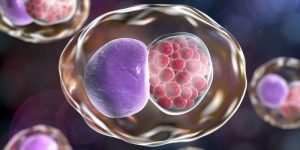
Chlamydia Treatment and Infertility Risk
Chlamydia is typically treated with antibiotics. When diagnosed early and treated properly, the infection can usually be cured and the risk of long-term reproductive damage may be reduced. It is important to complete the full course of antibiotics even if symptoms improve quickly.
However, delayed treatment may allow inflammation and scarring to develop. This may increase infertility risk in both women and men. Recurrent infections may raise the chance of long-term complications even further.
Completing treatment correctly and ensuring that sexual partners are also evaluated when necessary are important steps in reducing reinfection and protecting reproductive health.
Prevention Methods
To reduce the risk of chlamydia infection and protect fertility, the following steps may help:
- Use condoms consistently during sexual activity
- Have regular STI screenings, especially with new or multiple partners
- Maintain open communication with sexual partners
- Avoid unprotected sex and high-risk sexual behaviors
- Seek medical advice if you notice unusual discharge, genital discomfort, or pelvic pain
Early diagnosis and treatment can significantly lower the risk of infertility and other complications related to chlamydia and infertility.
Does Untreated Chlamydia Cause Infertility?
Yes, untreated chlamydia may lead to infertility in both women and men. In women, it may damage the fallopian tubes and uterus, affecting normal reproductive function and increasing the risk of ectopic pregnancy.
In men, untreated infection may lead to inflammation in the epididymis, testicles, or nearby reproductive structures, which may negatively affect sperm production and sperm quality.
For this reason, early diagnosis and proper treatment are essential for protecting fertility and preventing avoidable reproductive problems.
Chlamydia and Male Infertility
Chlamydia infection in men is often asymptomatic, but it may still cause complications over time. If untreated, it can contribute to:
- Epididymitis
- Inflammation in the testicular area
- Reduced sperm quality and motility
These complications may increase the risk of male infertility and may also lead to chronic pelvic or scrotal discomfort. Regular testing and timely medical care can help reduce these long-term reproductive risks.
Anyone who has had unprotected sex or multiple partners should consider testing for chlamydia and other sexually transmitted infections, even in the absence of symptoms.
Frequently Asked Questions About Chlamydia and Infertility
Can chlamydia be cured?
Yes. Chlamydia can usually be cured with appropriate antibiotic treatment. However, damage that has already occurred may not always be reversible, which is why early treatment is important.
How often should I get tested for chlamydia?
Sexually active individuals, especially younger adults and people with new or multiple partners, may benefit from regular STI screening. The appropriate testing schedule should be discussed with a doctor.
Is it safe to try for pregnancy after chlamydia treatment?
In many cases, pregnancy can be attempted after treatment is completed and the infection has cleared. If there has been recurrent infection or pelvic inflammatory disease, additional fertility evaluation may be helpful.
This article is for general information only and does not replace medical advice. If you suspect a chlamydia infection or have concerns about fertility, you should consult a qualified healthcare professional for proper evaluation and treatment.