



Nutrition in Men During IVF Treatment
Nutrition in Men During IVF Treatment: Foods That Affect Sperm Quality
Nutrition in men during IVF treatment plays an important role in sperm quality and overall reproductive health. A balanced diet may support sperm production, improve sperm quality, and contribute positively to fertility, especially in men who are planning a pregnancy or already undergoing IVF treatment.
Foods rich in antioxidants may help reduce oxidative stress and support sperm health. Omega-3 fatty acids are also important in male reproductive health and may contribute to better sperm motility and overall quality. Adequate protein intake may also help support hormone balance and normal reproductive function.
Foods that are often recommended in daily nutrition in men include:
- Red meat in moderation
- Fish, especially fatty fish
- Walnuts and other nuts
- Dark leafy greens
- Fresh fruits and vegetables
On the other hand, excessive caffeine and alcohol intake may negatively affect sperm quality. During IVF treatment, it is important for men to pay close attention to nutrition in men and to avoid harmful habits. Improving dietary habits and supporting sperm health may also contribute to overall treatment success together with medical and female reproductive factors.
Making informed nutritional choices, exercising regularly, and managing stress may all support sperm quality. A healthy lifestyle combined with balanced nutrition in men may help protect and improve male fertility in the long term.
Vitamins That Increase Male Fertility
Certain vitamins may support male fertility by contributing to sperm quality, hormone balance, and reproductive health when included as part of nutrition in men.
- Vitamin C and Vitamin E: These antioxidants may help protect sperm cells from oxidative damage and support overall sperm health.
- Folic Acid: May support sperm count and help protect genetic material.
- Vitamin B6: Supports hormone regulation and general reproductive function.
Minerals such as zinc and selenium are also important because they contribute to sperm production and motility. Including foods rich in these nutrients in daily nutrition in men may help improve fertility potential. Supplements should only be used under medical supervision and according to individual needs.
The Impact of Protein Intake on Reproductive Health
Nutrition in men has a direct effect on reproductive health, and protein intake is one of the important factors influencing sperm quality. Men who consume adequate amounts of high-quality protein may have better reproductive health compared with those whose diets are poor in protein.
Protein supports healthy sperm production and normal cell function. Protein-rich foods include:
- Chicken and turkey
- Fish
- Eggs
- Legumes such as lentils, chickpeas, and beans
- Unsalted nuts and seeds
These foods may support reproductive health and help maintain stable hormone levels. For couples undergoing IVF treatment, a balanced diet with good-quality protein may be beneficial.
The Role of Antioxidant-Rich Foods in Nutrition in Men
Antioxidant-rich foods play an important role in male reproductive health. Antioxidants help neutralize free radicals, reduce cellular damage, and support sperm quality and motility.
Foods rich in antioxidants include:
- Colorful fruits and vegetables such as berries, citrus fruits, and tomatoes
- Dark leafy greens such as spinach, kale, and arugula
- Fish
- Nuts and seeds
- Whole grains and legumes
Regular intake of these foods as part of healthy nutrition in men may support sperm health and fertility potential. For men preparing for IVF treatment, an antioxidant-rich diet may be especially helpful in the months before treatment.
The Effect of Caffeine and Alcohol on Sperm Quality
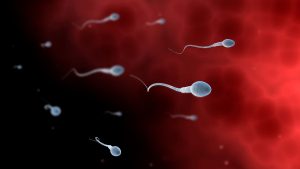
Caffeine and alcohol consumption may significantly affect sperm quality, especially when used excessively over a long period. These habits are therefore an important part of nutrition in men during fertility care and IVF treatment.
High caffeine intake may reduce sperm motility and may affect hormone balance in some men. Heavy alcohol use may negatively influence sperm count, DNA integrity, and overall sperm quality. In addition, alcohol may contribute to weight gain and liver problems, which can indirectly affect hormone production.
Men who want to improve fertility or who are undergoing IVF treatment should limit caffeine and alcohol as much as possible. Drinking enough water, choosing healthier beverages, and avoiding excessive alcohol may be simple but effective steps.
The Importance of Omega-3 Fatty Acids in Male Reproductive Health
Omega-3 fatty acids are important for male fertility and general health. These healthy fats have anti-inflammatory properties, support cell membrane structure, and may improve sperm motility and morphology when included in daily nutrition in men.
Foods rich in Omega-3 include:
- Fatty fish such as salmon, sardines, and mackerel
- Flaxseeds and chia seeds
- Walnuts
- Olive oil and other healthy oils
Regular consumption of these foods may support sperm quality and reproductive function. For men who do not eat enough fish, Omega-3 supplements may be considered with medical guidance.
Including Omega-3 fatty acids in daily nutrition in men may support sperm development and overall fertility. Supplement use should always be personalized and discussed with a doctor.
The Impact of Balanced Nutrition in Men on IVF Success
Balanced nutrition in men is an important factor in supporting IVF success. Proper intake of essential nutrients helps the body function well, supports hormone balance, and contributes to better sperm quality.
During IVF treatment, men should pay attention to:
- Adequate protein intake
- Antioxidant-rich foods
- Omega-3 fatty acids
- Limiting caffeine and alcohol
- Maintaining a healthy body weight and active lifestyle
A well-balanced diet may support reproductive functions and may contribute positively to IVF outcomes. For this reason, couples undergoing treatment should consider healthy eating habits as part of the overall treatment process. In some cases, a personalized nutrition plan may be useful.
Frequently Asked Questions
Why is nutrition in men important during IVF treatment?
Because nutrition in men directly affects sperm quality, hormone balance, and overall health. A healthy diet may support sperm production and may improve IVF outcomes when combined with appropriate medical treatment.
What should men pay attention to before IVF treatment?
Men should follow healthy eating habits, maintain a healthy body weight, sleep regularly, and avoid harmful habits such as smoking, excessive alcohol use, and recreational drugs.
Which foods should men consume during IVF treatment?
Foods rich in protein, antioxidants, zinc, selenium, and Omega-3 fatty acids are commonly recommended. Examples include fish, eggs, legumes, walnuts, dark leafy greens, and colorful fruits and vegetables.
Which foods may improve sperm quality?
Walnuts, fish, red meat in moderation, eggs, and legumes may positively influence sperm quality when consumed as part of balanced nutrition in men and a healthy lifestyle.
Should men use supplements during IVF treatment?
Supplements should only be used if recommended by a doctor. Unnecessary or excessive supplement use may cause side effects or interact with other treatments.
What lifestyle factors besides nutrition can improve IVF success?
Reducing stress, exercising regularly, sleeping well, and avoiding harmful habits such as smoking and heavy alcohol use may support treatment outcomes and general well-being.
How do unhealthy eating habits affect IVF success?
Poor nutrition in men may negatively affect sperm quality, hormone levels, and overall health, which may reduce the chance of successful IVF treatment. Positive lifestyle changes before and during treatment are therefore important.
This article is for general information only and does not replace medical advice. If you are planning IVF treatment or have concerns about sperm quality, you should consult a fertility specialist for personal evaluation and advice.