
Author: Dr. Halil İbrahim Tekin

Polycystic Ovary Syndrome (PCOS)

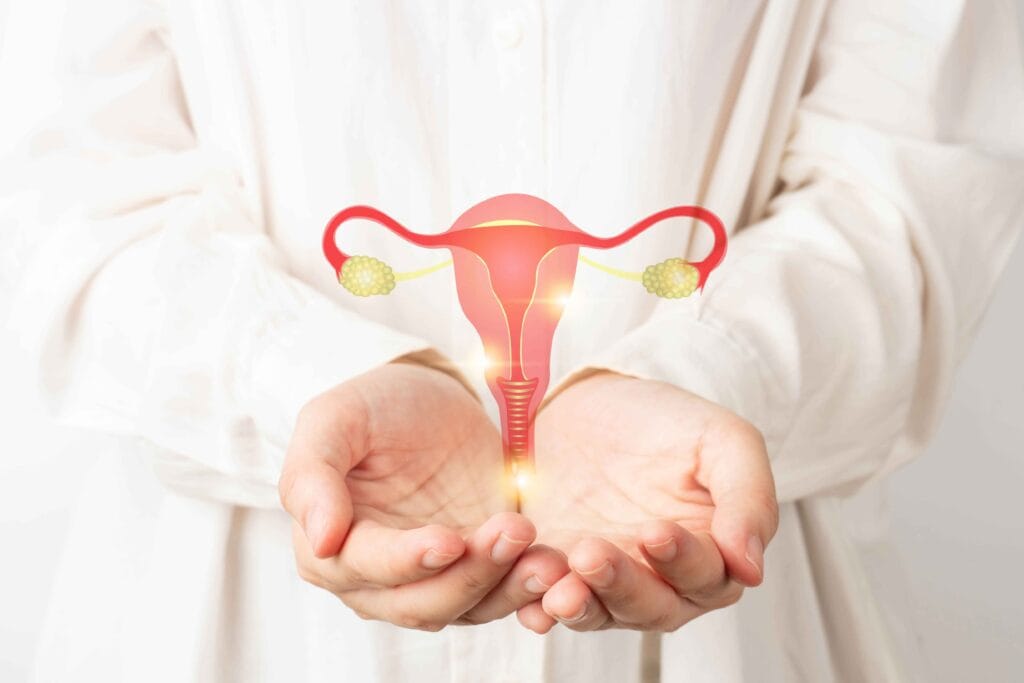
In short: Polycystic ovary syndrome (PCOS) is a common hormone condition. It can cause irregular periods, extra hair, acne and trouble getting pregnant. It cannot be cured for life, but it can be well controlled. Weight loss, medicines and, when needed, fertility treatment such as IVF help many women with PCOS get pregnant. Treatment of Polycystic Ovary Syndrome (PCOS) Treatment should start soon after tests confirm PCOS. If you are overweight, the most important step is losing weight. Losing extra weight helps related problems such as diabetes, high blood pressure and high cholesterol. A healthy weight can also greatly raise the chance of pregnancy at the end of treatment. Medical treatment often includes pills, especially birth control pills. They help control male hormone (androgen) levels. They also bring back a regular cycle and help with symptoms such as body changes, infertility and acne. Other options depend on your symptoms and needs. They may include: diabetes medicines hormone treatments clomiphene citrate spironolactone flutamide eflornithine cream Sometimes surgery is needed for ovarian cysts. It may be considered if medicine and other treatments do not work. The operation to remove cysts is usually simple and has a low risk of serious side effects. In some women, surgery can also help with infertility linked to PCOS. Women with PCOS should eat a balanced, regular diet and live a healthy lifestyle. Do not start treatment before a clear diagnosis. Hormone balance is very sensitive, so it should always be managed by a specialist. Can PCOS Be Controlled? Yes. With the right treatment, PCOS can be well managed and its symptoms can be controlled. But women with PCOS may have a higher risk of some conditions than other women. These include endometrial cancer, breast cancer and infertility. So regular check-ups are very important. If you have symptoms of PCOS, see a specialist. They can check whether you have it and explain your treatment options. Women of childbearing age are most at risk. They should pay close attention to their hormone and metabolic health. Like many conditions, PCOS can affect your overall well-being. Some women find it hard to get pregnant. So regular check-ups are essential. If a problem is found, treatment should start quickly. Women with PCOS have good reason to stay hopeful. Thanks to modern medicine, managing PCOS and living well with it is much easier today. The keys are early diagnosis, regular follow-up and a personal plan made with your doctor. Frequently Asked Questions About PCOS How is PCOS diagnosed? Doctors use a physical exam, hormone tests and an ultrasound scan. They usually look for at least two of these signs: irregular or missing periods high levels of male hormones (androgens) ovaries that look polycystic on ultrasound Blood tests may also check insulin and other metabolic levels. This is important if insulin resistance or metabolic syndrome is suspected. What causes polycystic ovary syndrome? The exact cause is not fully known. Main factors are thought to be insulin resistance, hormone imbalance, genes and long-term mild inflammation. In many women, several of these factors are present and affect each other. Can PCOS cause infertility? Yes. PCOS is one of the most common causes of infertility linked to ovulation. When ovulation is irregular or does not happen, natural pregnancy is harder. But many women with PCOS get pregnant with lifestyle changes, medicine or fertility treatment when needed. Can you get pregnant with PCOS? Yes. Many women with PCOS get pregnant naturally or with fertility treatment. Depending on the case, your doctor may suggest: medicines that trigger ovulation lifestyle changes in vitro fertilization (IVF) The best approach depends on your age, hormone levels, egg reserve and general health. What are the common symptoms of PCOS? Common symptoms include: irregular or missed periods extra hair on the face or body (hirsutism) acne or oily skin weight gain or trouble losing weight thinning hair on the scalp trouble getting pregnant Symptoms differ from woman to woman. Some have very mild symptoms. Others have stronger hormone and metabolic changes. Does PCOS cause weight gain? PCOS is closely linked to insulin resistance. This can lead to weight gain and make it harder to lose weight. Controlling insulin is key for symptoms and long-term health. A balanced diet, regular exercise and, when needed, medicine all help. How is PCOS treated? Treatment depends on your symptoms and whether you want to get pregnant. Options may include: lifestyle changes (healthy diet, exercise, weight control) birth control pills or hormone treatment to regulate the cycle medicines that trigger ovulation for women who want a baby medicines that improve insulin response, if there is insulin resistance IVF or other fertility treatment in some cases Every treatment plan is personal. Your doctor will look at your symptoms, hormone levels and pregnancy plans to choose the best approach. Is PCOS a lifelong condition? PCOS is a long-term hormone condition. But its symptoms and long-term risks can be well managed. Good medical care, lifestyle changes and regular check-ups all help. With the right support, many women with PCOS live healthy lives, protect their fertility and lower their future health risks.

IVF Treatment at Advanced Maternal Age

IVF Treatment at Advanced Maternal Age IVF Treatment at Advanced Maternal Age is an important topic for women who want to become pregnant later in life. A woman’s age plays a major role in fertility because both egg number and egg quality change over time. Even so, pregnancy may still be possible in selected women over the age of 40, especially when ovarian reserve is still considered suitable for treatment. With careful evaluation, individualized planning, and modern laboratory techniques, IVF Treatment at Advanced Maternal Age can offer hope to many patients. As maternal age increases, the ovaries usually produce fewer eggs, and the remaining eggs may have a lower chance of leading to a healthy pregnancy. This is one of the main reasons fertility declines with age. However, age alone does not tell the whole story. Some women at an older age may still respond better than expected to ovarian stimulation, while some younger women may have reduced ovarian reserve. For this reason, IVF Treatment at Advanced Maternal Age should always be based on individual medical assessment rather than age alone. Why IVF Treatment at Advanced Maternal Age Requires Special Evaluation IVF Treatment at Advanced Maternal Age requires careful assessment because ovarian reserve and egg quality may be reduced. Doctors usually evaluate hormone levels, ultrasound findings, menstrual history, and general reproductive health before creating a treatment plan. These findings help estimate how the ovaries may respond and what type of fertility strategy may be most appropriate. In many cases, hormone tests performed early in the menstrual cycle and ultrasound examination of the ovaries can provide useful information about ovarian reserve. This evaluation is important because treatment success depends not only on age but also on how the ovaries function at the time of treatment. How Age Affects Fertility Women are born with a limited number of eggs, and this number decreases naturally over time. As the years pass, not only does the egg supply become smaller, but egg quality may also decline. This can make conception more difficult and may also increase the risk of unsuccessful fertilization, failed implantation, or miscarriage. For this reason, IVF Treatment at Advanced Maternal Age is often more complex than fertility treatment at younger ages. The decline in egg quality may reduce embryo quality, and the chance of chromosomal abnormalities may increase as maternal age rises. Even so, treatment may still be worthwhile for selected patients, especially when ovarian reserve remains sufficient and the treatment plan is tailored carefully. IVF Treatment at Advanced Maternal Age and Embryo Assessment One of the important considerations in IVF Treatment at Advanced Maternal Age is embryo assessment. At older reproductive ages, doctors may recommend evaluating embryos more carefully before transfer. In some cases, preimplantation genetic testing may be discussed to help identify embryos with the correct number of chromosomes. This approach may help improve the chance of transferring an embryo with better developmental potential. It may also help reduce the chance of transferring embryos affected by major chromosomal problems. Because every patient is different, the decision to use embryo testing should be made after a detailed medical consultation. Benefits of Individualized Treatment Planning IVF Treatment at Advanced Maternal Age should always be individualized. A standard treatment plan is not suitable for every patient. The doctor may adjust medication dose, stimulation protocol, timing of egg collection, and embryo transfer strategy according to the patient’s age, ovarian response, and fertility history. Individualized treatment planning is important because women of the same age may have very different ovarian reserve results and reproductive potential. A patient-centered approach can improve decision-making, strengthen trust in the process, and reduce unnecessary stress during treatment. Psychological Aspects of IVF Treatment at Advanced Maternal Age The emotional side of IVF Treatment at Advanced Maternal Age is also very important. Many women feel pressure because they are aware that fertility changes with age. Previous unsuccessful attempts, fear of disappointment, and uncertainty about outcomes may increase emotional stress during the treatment process. When patients understand their treatment plan clearly and feel that the most suitable method has been chosen for them, they often feel more confident and more involved in the process. Good communication with the medical team can make the experience more manageable and more supportive. Can Pregnancy Still Be Achieved at an Older Age? Yes, pregnancy may still be possible for some women at an older age. IVF Treatment at Advanced Maternal Age can offer a chance of pregnancy when ovarian reserve is still present and the uterus is suitable for embryo transfer. However, success varies from patient to patient, and no treatment can guarantee pregnancy. The key is careful assessment, realistic counseling, and choosing the most appropriate fertility strategy. Some patients may respond well to their own eggs, while others may need alternative options depending on their medical condition and reproductive goals. Who May Benefit from IVF Treatment at Advanced Maternal Age? IVF Treatment at Advanced Maternal Age may be considered for women who want to conceive later in life and who still have a usable ovarian reserve. It may also be recommended when natural conception has become difficult, when there is a long history of infertility, or when faster treatment planning is needed because time is an important factor. The best candidates are identified after medical evaluation. This usually includes ovarian reserve testing, ultrasound imaging, reproductive history review, and general health assessment. These steps help determine whether IVF is appropriate and how the treatment should be planned. Conclusion IVF Treatment at Advanced Maternal Age can still provide an important opportunity for women who wish to become pregnant later in life. Although fertility usually declines with age, treatment decisions should not be based on age alone. Ovarian reserve, egg quality, general health, and embryo development potential all play an important role in determining the best path forward. With detailed evaluation, individualized planning, and modern reproductive techniques, IVF Treatment at Advanced Maternal Age can be approached in a more informed and realistic way. Early consultation and proper

Azoospermia

In short: Azoospermia means there is no sperm in the semen. It is a key cause of male infertility. There are two main types. In one, a blockage stops sperm from leaving the body. In the other, the testicles make little or no sperm. Many men still have options, such as surgery or taking sperm directly from the testicles for IVF. What Is Azoospermia? Azoospermia means no sperm is found in a semen sample. It affects a small share of all men. It is more common in men who are tested for infertility. Sperm is needed for natural pregnancy. So Azoospermia is an important cause of male infertility. Still, modern tests and treatments give many men real options. Doctors may be able to find sperm or plan fertility treatment. After the diagnosis, the first goal is to learn why there is no sperm in the semen. Sometimes the testicles still make sperm, but a blockage stops it from leaving. Sometimes the testicles make little or no sperm. That is why a careful medical check is always needed before treatment. Types of Azoospermia There are two main types. Knowing the type helps doctors plan treatment. Obstructive Azoospermia In this type, the testicles usually make sperm. But a blockage in the tubes stops sperm from reaching the semen. The blockage may be present from birth. It may also come from an infection, past surgery or an injury. Because sperm is still made, the outlook can be better in some cases. Non-Obstructive Azoospermia In this type, the testicles make little or no sperm. Possible causes include: genetic factors hormone problems damage to the testicles undescended testicles past radiation treatment other medical conditions This type is often harder to treat. Even so, advanced surgery can sometimes still find sperm. How Is Azoospermia Diagnosed? Diagnosis usually starts with a semen test. Results must be checked with care, so more than one sample is usually tested. The sample is looked at closely under a microscope. This shows whether there is no sperm at all or only a very small amount. A semen test alone is not enough. Your doctor may also ask for: hormone tests a physical exam an ultrasound scan genetic tests These steps show whether the cause is a blockage or a production problem. They also guide the next step of treatment. Your full health history matters too. Past infections, operations or growth problems can affect the diagnosis. Azoospermia Treatment Treatment depends on the cause. Since there is more than one type, each plan must fit the person. Treatment for Obstructive Azoospermia If a blockage is the cause, surgery may open the path for sperm. For some men, this can improve the chance of a natural pregnancy. In other cases, sperm can be taken directly and used in fertility treatment. Treatment for Non-Obstructive Azoospermia Here, a key method is taking sperm directly from the testicles with surgery. A common technique is Micro-TESE (microsurgical testicular sperm extraction). The surgeon checks the tissue under a microscope. Small samples are taken from areas that may still hold sperm. If sperm is found, it can be used in IVF. Some men may also get hormone treatment. This is most useful when a hormone problem plays a part. Success depends on the exact diagnosis, the state of the testicular tissue and the overall fertility plan. Modern Approaches in Azoospermia Care Care for Azoospermia has improved in recent years. Better lab methods, microsurgery and genetic tests have given men more options. Finding a genetic cause can help doctors explain the problem. It can also help them choose a more targeted treatment. New methods keep developing. But every treatment decision should be made with a specialist. The right plan depends on a correct diagnosis and honest advice. Supportive and Lifestyle Approaches Medical treatment comes first. But healthy habits may support overall reproductive health during treatment: Eat well: A diet rich in vitamins, minerals and antioxidants may support your health. Stop smoking and drink less alcohol: Both may harm male fertility. Exercise regularly: Moderate activity may help blood flow and general health. Manage stress: Stress may affect hormones and mood during treatment. These steps do not replace medical treatment. But they can support the process and help you feel more in control. Recommendations for Couples This diagnosis can be hard for both partners. Emotional support and open talk are very important. When couples understand the diagnosis and discuss options together, the process can feel easier. It helps to learn about the fertility paths available, such as sperm retrieval and assisted reproduction. A calm and informed approach often helps couples go through treatment with more confidence. Conclusion Azoospermia is an important cause of male infertility. But it does not always mean you cannot become a parent. With the right tests, a specialist review and a suitable plan, many men still have real options. The two types need different treatments, so care must be personal. Careful testing, the right treatment, healthy habits and emotional support can all help improve results.

Varicocele

How Is Varicocele Surgery Performed? Varicocele surgery is usually performed with a microsurgical technique. During the procedure, a small incision is made in the groin area to reach the enlarged testicular veins. Under microscopic magnification, the surgeon carefully separates the abnormal veins from nearby arteries, lymphatic vessels, and other important structures. The enlarged veins are then tied off while normal circulation is preserved as much as possible. This method is widely preferred because it provides a clearer surgical field and helps reduce the risk of damage to surrounding tissues. Compared with older techniques, microsurgical repair is considered more precise and is commonly used in modern treatment planning. How Long Does Varicocele Surgery Take? The length of Varicocele surgery depends on whether the affected veins are on one side or both sides and on how many enlarged veins need to be treated. In general, the procedure may take between 1 and 2.5 hours. Bilateral operations may take longer than unilateral cases. The exact surgical time may also vary according to individual anatomy and the complexity of the case. Even so, most procedures are completed within a few hours and are considered routine in experienced hands. Are There Risks Associated with Varicocele Surgery? Like all surgical procedures, Varicocele surgery carries some risk, although the complication rate is low when microsurgical techniques are used. One of the most important possible risks is accidental injury to the testicular artery, which may reduce blood supply to the testicle. Because arteries and veins can be seen more clearly under the microscope, this complication is now uncommon. Another possible issue is hydrocele, which is fluid accumulation around the testicle. The risk of hydrocele is lower in microsurgical procedures because lymphatic vessels can be identified and preserved more carefully. General risks such as bleeding, bruising, pain, or infection may also occur, but these are usually minimized with careful surgical technique and postoperative care. Are There Different Treatment Methods for Varicocele? Yes, Varicocele can be treated using different surgical and radiological methods. One alternative is embolization, in which an interventional radiology technique is used to block the enlarged veins from inside the blood vessel. Although this method may be useful in selected cases, it can sometimes involve recurrence, discomfort, or technical limitations. Other surgical options include inguinal, high inguinal, and laparoscopic approaches. However, microsurgical subinguinal repair is widely regarded as the preferred technique because it offers better visualization, low recurrence rates, and fewer complications. Does Varicocele Recur? Recurrence after microsurgical treatment is generally very low. While no treatment can guarantee zero risk in every patient, recurrence rates are much lower with microsurgical repair than with many older methods. This is one of the main reasons why this approach is frequently recommended. What Is the Recovery Time After Varicocele Surgery? After microsurgical Varicocele surgery, many patients can return to light daily activities within 2 to 3 days. Office work or routine non-strenuous duties are often possible within about 7 to 10 days. However, full recovery for heavy exercise, sports, and intense physical activity may take 4 to 6 weeks. Recovery time may vary depending on the patient’s physical condition, the extent of surgery, and how carefully postoperative instructions are followed. Rest and gradual return to activity are important for a smoother healing process. When Do Sperm Parameters Improve After Surgery? The effect of Varicocele surgery on sperm quality is not immediate. Sperm production takes time, and the process from early germ cell development to mature sperm generally takes around 90 days. For that reason, semen analysis is usually repeated at intervals of about 3 months after surgery. In many patients, the most noticeable improvement is seen around the 6th month. If positive change is observed at that stage, further improvement may continue at the 9th and 12th months. If there is no improvement by around 6 months, doctors may begin to discuss other fertility options depending on the overall clinical situation. Not every patient experiences the same result. Many men show improvement in sperm parameters, while others may have little change. The outcome often depends on the severity of the condition, whether one or both sides are affected, and whether other fertility factors are present. What Should Patients Pay Attention to After Surgery? In the early healing period after Varicocele surgery, patients should follow their doctor’s instructions carefully. Heavy exercise, sports, and strenuous activity should be avoided until healing is more advanced. Sexual activity is also usually postponed for a short period according to medical advice. Wound care, rest, and avoiding unnecessary strain are all important. Any unexpected increase in pain, fever, redness, or swelling should be reported to the doctor. Is Testicular Pain Normal After Surgery? Mild discomfort, tenderness, or neuralgia-like pain may occur for a short time after surgery. This can happen because tissues and small nerves in the area are affected during the procedure. In most cases, the discomfort improves gradually during recovery. However, Varicocele surgery should not always be performed only for pain without proper infertility evaluation or a clear indication. Testicular pain may have different causes, and in some patients pain may continue even after treatment. Is Swelling Normal After Varicocele Surgery? Some mild swelling or a temporary change in the position of the testicle may be seen after surgery. This can be part of the normal healing process. However, significant swelling may suggest fluid accumulation, especially if hydrocele develops. With microsurgical methods, this complication is uncommon because lymphatic vessels are more carefully protected. If swelling becomes pronounced or persistent, medical review is important. Can Patients Have Children After Varicocele Surgery? Many patients experience improvement in sperm parameters after Varicocele surgery, and this may improve the chance of natural conception in selected couples. However, success depends on many factors, including the female partner’s age, the duration of infertility, and the severity of sperm abnormalities. If sperm quality does not improve sufficiently after surgery, other fertility treatments such as IUI or IVF may be considered. Infertility should always be assessed as a couple-based condition rather

1 … 3 4 5 … 8

DrHIT (Dr.HIT) Cyprus IVF Center – led by obstetrician-gynaecologist Dr. Halil İbrahim Tekin, Famagusta / Northern Cyprus.