


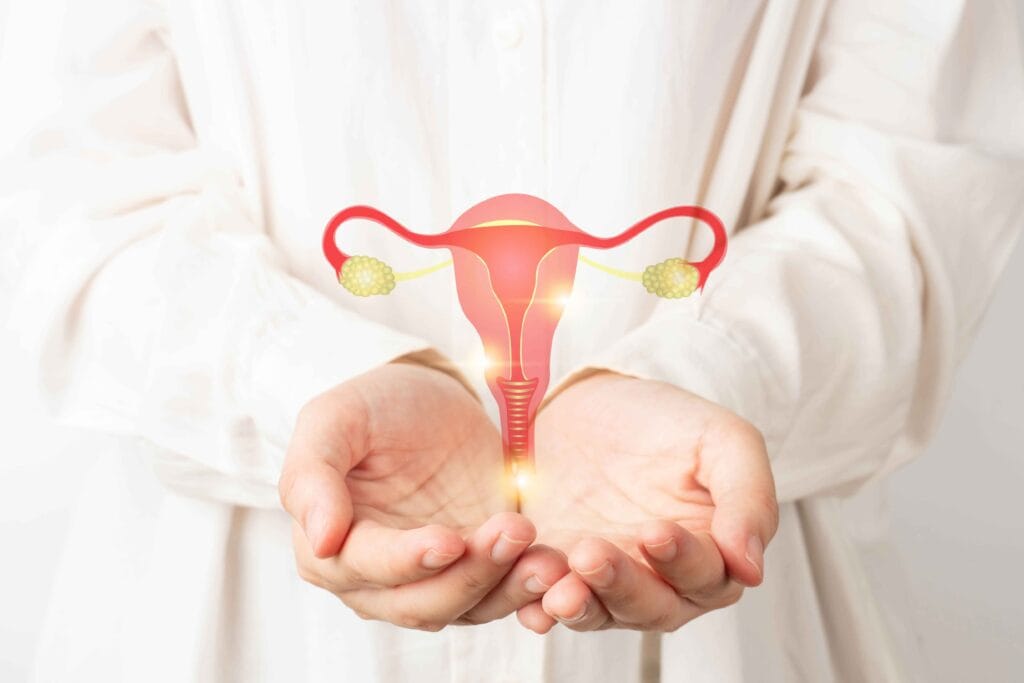
Polycystic Ovary Syndrome (PCOS)
In short: Polycystic ovary syndrome (PCOS) is a common hormone condition. It can cause irregular periods, extra hair, acne and trouble getting pregnant. It cannot be cured for life, but it can be well controlled. Weight loss, medicines and, when needed, fertility treatment such as IVF help many women with PCOS get pregnant.
Treatment of Polycystic Ovary Syndrome (PCOS)
Treatment should start soon after tests confirm PCOS. If you are overweight, the most important step is losing weight. Losing extra weight helps related problems such as diabetes, high blood pressure and high cholesterol. A healthy weight can also greatly raise the chance of pregnancy at the end of treatment.
Medical treatment often includes pills, especially birth control pills. They help control male hormone (androgen) levels. They also bring back a regular cycle and help with symptoms such as body changes, infertility and acne.
Other options depend on your symptoms and needs. They may include:
- diabetes medicines
- hormone treatments
- clomiphene citrate
- spironolactone
- flutamide
- eflornithine cream
Sometimes surgery is needed for ovarian cysts. It may be considered if medicine and other treatments do not work. The operation to remove cysts is usually simple and has a low risk of serious side effects. In some women, surgery can also help with infertility linked to PCOS.
Women with PCOS should eat a balanced, regular diet and live a healthy lifestyle. Do not start treatment before a clear diagnosis. Hormone balance is very sensitive, so it should always be managed by a specialist.
Can PCOS Be Controlled?
Yes. With the right treatment, PCOS can be well managed and its symptoms can be controlled. But women with PCOS may have a higher risk of some conditions than other women. These include endometrial cancer, breast cancer and infertility. So regular check-ups are very important.
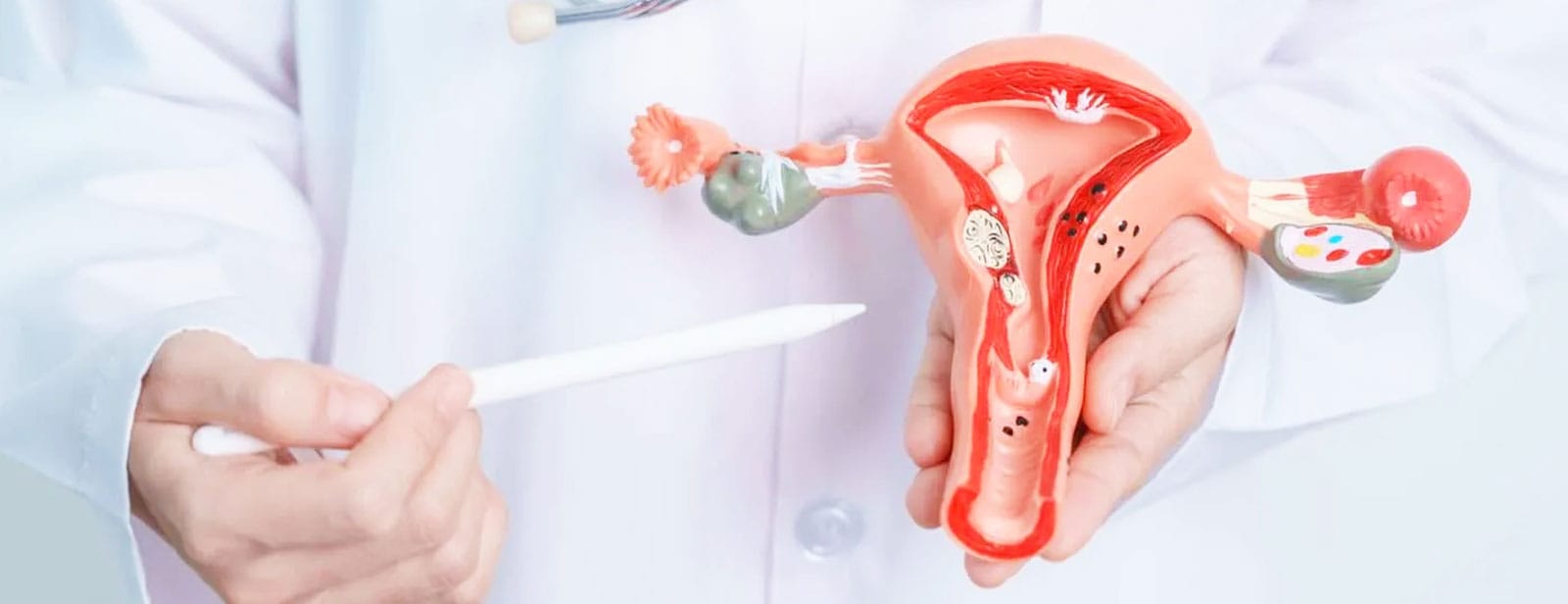
If you have symptoms of PCOS, see a specialist. They can check whether you have it and explain your treatment options. Women of childbearing age are most at risk. They should pay close attention to their hormone and metabolic health.
Like many conditions, PCOS can affect your overall well-being. Some women find it hard to get pregnant. So regular check-ups are essential. If a problem is found, treatment should start quickly.
Women with PCOS have good reason to stay hopeful. Thanks to modern medicine, managing PCOS and living well with it is much easier today. The keys are early diagnosis, regular follow-up and a personal plan made with your doctor.
Frequently Asked Questions About PCOS
How is PCOS diagnosed?
Doctors use a physical exam, hormone tests and an ultrasound scan. They usually look for at least two of these signs:
- irregular or missing periods
- high levels of male hormones (androgens)
- ovaries that look polycystic on ultrasound
Blood tests may also check insulin and other metabolic levels. This is important if insulin resistance or metabolic syndrome is suspected.
What causes polycystic ovary syndrome?
The exact cause is not fully known. Main factors are thought to be insulin resistance, hormone imbalance, genes and long-term mild inflammation. In many women, several of these factors are present and affect each other.
Can PCOS cause infertility?
Yes. PCOS is one of the most common causes of infertility linked to ovulation. When ovulation is irregular or does not happen, natural pregnancy is harder. But many women with PCOS get pregnant with lifestyle changes, medicine or fertility treatment when needed.
Can you get pregnant with PCOS?
Yes. Many women with PCOS get pregnant naturally or with fertility treatment. Depending on the case, your doctor may suggest:
- medicines that trigger ovulation
- lifestyle changes
- in vitro fertilization (IVF)
The best approach depends on your age, hormone levels, egg reserve and general health.
What are the common symptoms of PCOS?
Common symptoms include:
- irregular or missed periods
- extra hair on the face or body (hirsutism)
- acne or oily skin
- weight gain or trouble losing weight
- thinning hair on the scalp
- trouble getting pregnant
Symptoms differ from woman to woman. Some have very mild symptoms. Others have stronger hormone and metabolic changes.
Does PCOS cause weight gain?
PCOS is closely linked to insulin resistance. This can lead to weight gain and make it harder to lose weight. Controlling insulin is key for symptoms and long-term health. A balanced diet, regular exercise and, when needed, medicine all help.
How is PCOS treated?
Treatment depends on your symptoms and whether you want to get pregnant. Options may include:
- lifestyle changes (healthy diet, exercise, weight control)
- birth control pills or hormone treatment to regulate the cycle
- medicines that trigger ovulation for women who want a baby
- medicines that improve insulin response, if there is insulin resistance
- IVF or other fertility treatment in some cases
Every treatment plan is personal. Your doctor will look at your symptoms, hormone levels and pregnancy plans to choose the best approach.
Is PCOS a lifelong condition?
PCOS is a long-term hormone condition. But its symptoms and long-term risks can be well managed. Good medical care, lifestyle changes and regular check-ups all help. With the right support, many women with PCOS live healthy lives, protect their fertility and lower their future health risks.