
Popup Görseli

Category: Blog

Home Blog Page 2

Polycystic Ovary Syndrome (PCOS)

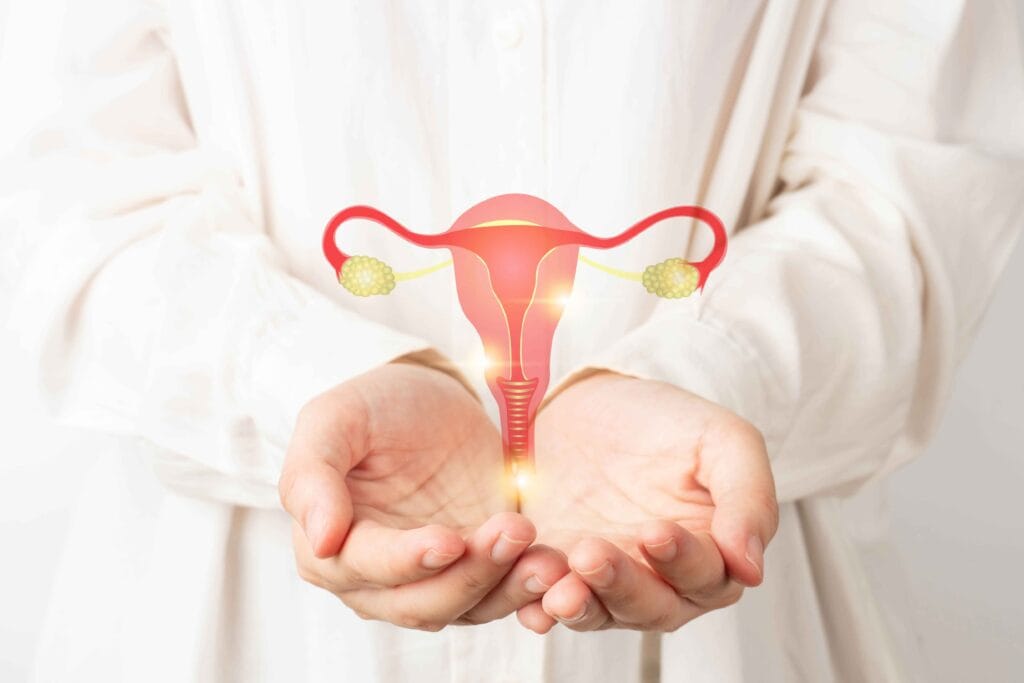
Treatment of Polycystic Ovary Syndrome (PCOS) After the necessary tests are performed and a diagnosis of Polycystic Ovary Syndrome (PCOS) is confirmed, treatment should begin without delay. The most important step in management is weight loss if the patient is overweight. Reducing excess weight helps improve associated conditions such as diabetes, high blood pressure, and high cholesterol. Additionally, achieving a healthy weight can significantly increase the chances of pregnancy at the end of treatment. Medical treatment often includes oral medications, particularly birth control pills. These medications help regulate androgen production, restore a regular menstrual cycle, and address symptoms such as physical changes, infertility, and acne. Other treatment options may include diabetes medications, hormone therapies, clomiphene citrate, spironolactone, flutamide, or eflornithine cream, depending on the patient’s specific symptoms and needs. In some cases, surgical intervention may be required to address ovarian cysts. If cysts cannot be resolved through medication or other treatment methods, surgery may be considered. The procedure performed to remove cysts is generally straightforward and carries a low risk of serious side effects. In selected patients, surgical treatment can also be an effective option in managing infertility associated with PCOS. Patients diagnosed with PCOS should maintain a balanced and regular diet and follow a healthy lifestyle plan. If a clear diagnosis has not yet been established, starting treatment without proper evaluation may be risky, because hormonal balance is highly sensitive and should always be managed under the supervision of a specialist. Chance of Recovery in Polycystic Ovary Syndrome With appropriate treatment, PCOS can be effectively managed and its symptoms can be controlled. However, women with PCOS may have a higher risk of conditions such as endometrial cancer, breast cancer, and infertility compared to the general population. Regular medical follow-up is therefore very important. If you experience any symptoms associated with PCOS, you should consult a specialist to determine whether you have the condition and to discuss appropriate treatment options. Women of reproductive age are particularly susceptible and should pay close attention to their reproductive and metabolic health. As with many medical conditions, PCOS can have significant effects on a woman’s overall well-being. Some women may experience difficulty conceiving or may struggle with infertility. For this reason, regular medical check-ups are essential, and if a problem is identified, treatment should begin promptly. Women diagnosed with PCOS should remain hopeful. Thanks to advancements in modern medicine and innovative treatment options, managing PCOS and improving quality of life has become much easier today. The key is early diagnosis, proper follow-up, and a personalized treatment plan created together with your doctor. Frequently Asked Questions About PCOS ❓ How is PCOS diagnosed? PCOS is diagnosed based on clinical evaluation, hormone testing, and ultrasound findings. Doctors typically look for at least two of the following: Irregular or absent menstrual cycles Elevated androgen (male hormone) levels Polycystic appearance of the ovaries on ultrasound Blood tests may also assess insulin levels and metabolic markers, especially if there is concern about insulin resistance or metabolic syndrome. ❓ What causes polycystic ovary syndrome? The exact cause of PCOS is not fully understood. However, insulin resistance, hormonal imbalance, genetic predisposition, and chronic low-grade inflammation are considered major contributing factors. In many women, several of these factors coexist and influence one another. ❓ Can PCOS cause infertility? Yes, PCOS is one of the most common causes of ovulatory infertility. Irregular ovulation or lack of ovulation (anovulation) can make natural conception more difficult. However, many women with PCOS are able to conceive with lifestyle changes, medical treatment, or assisted reproductive techniques when needed. ❓ Can you get pregnant with PCOS? Yes. Many women with PCOS conceive naturally or with fertility treatment. Depending on the situation, ovulation induction medications, lifestyle modifications, or in vitro fertilization (IVF) may be recommended. The most appropriate approach is determined by your age, hormone levels, ovarian reserve, and overall health. ❓ What are the common symptoms of PCOS? Common symptoms include: Irregular or missed periods Excess facial or body hair (hirsutism) Acne or oily skin Weight gain or difficulty losing weight Thinning hair or hair loss on the scalp Difficulty getting pregnant Symptoms can vary from person to person. Some women have very mild symptoms, while others experience more pronounced hormonal and metabolic changes. ❓ Does PCOS cause weight gain? PCOS is strongly associated with insulin resistance, which can contribute to weight gain and make weight loss more challenging. Managing insulin levels through a balanced diet, regular physical activity, and, when necessary, medication plays a key role in symptom control and long-term health. ❓ How is PCOS treated? Treatment depends on the patient’s symptoms and reproductive goals. Options may include: Lifestyle modification (healthy diet, exercise, weight management) Birth control pills or hormonal treatments for cycle regulation Ovulation induction medications for women who wish to conceive Insulin-sensitizing drugs in cases of insulin resistance IVF or other assisted reproductive techniques in selected cases Treatment is individualized for each patient. Your doctor will evaluate your symptoms, hormone profile, and fertility plans to design the most suitable approach. ❓ Is PCOS a lifelong condition? PCOS is considered a chronic hormonal condition. However, its symptoms and long-term health risks can be effectively managed with proper medical care, lifestyle adjustments, and regular follow-up. With the right support, many women with PCOS lead healthy lives, protect their fertility as much as possible, and reduce the risk of future complications.

IVF Treatment at Advanced Maternal Age

IVF Treatment at Advanced Maternal Age IVF Treatment at Advanced Maternal Age is an important topic for women who want to become pregnant later in life. A woman’s age plays a major role in fertility because both egg number and egg quality change over time. Even so, pregnancy may still be possible in selected women over the age of 40, especially when ovarian reserve is still considered suitable for treatment. With careful evaluation, individualized planning, and modern laboratory techniques, IVF Treatment at Advanced Maternal Age can offer hope to many patients. As maternal age increases, the ovaries usually produce fewer eggs, and the remaining eggs may have a lower chance of leading to a healthy pregnancy. This is one of the main reasons fertility declines with age. However, age alone does not tell the whole story. Some women at an older age may still respond better than expected to ovarian stimulation, while some younger women may have reduced ovarian reserve. For this reason, IVF Treatment at Advanced Maternal Age should always be based on individual medical assessment rather than age alone. Why IVF Treatment at Advanced Maternal Age Requires Special Evaluation IVF Treatment at Advanced Maternal Age requires careful assessment because ovarian reserve and egg quality may be reduced. Doctors usually evaluate hormone levels, ultrasound findings, menstrual history, and general reproductive health before creating a treatment plan. These findings help estimate how the ovaries may respond and what type of fertility strategy may be most appropriate. In many cases, hormone tests performed early in the menstrual cycle and ultrasound examination of the ovaries can provide useful information about ovarian reserve. This evaluation is important because treatment success depends not only on age but also on how the ovaries function at the time of treatment. How Age Affects Fertility Women are born with a limited number of eggs, and this number decreases naturally over time. As the years pass, not only does the egg supply become smaller, but egg quality may also decline. This can make conception more difficult and may also increase the risk of unsuccessful fertilization, failed implantation, or miscarriage. For this reason, IVF Treatment at Advanced Maternal Age is often more complex than fertility treatment at younger ages. The decline in egg quality may reduce embryo quality, and the chance of chromosomal abnormalities may increase as maternal age rises. Even so, treatment may still be worthwhile for selected patients, especially when ovarian reserve remains sufficient and the treatment plan is tailored carefully. IVF Treatment at Advanced Maternal Age and Embryo Assessment One of the important considerations in IVF Treatment at Advanced Maternal Age is embryo assessment. At older reproductive ages, doctors may recommend evaluating embryos more carefully before transfer. In some cases, preimplantation genetic testing may be discussed to help identify embryos with the correct number of chromosomes. This approach may help improve the chance of transferring an embryo with better developmental potential. It may also help reduce the chance of transferring embryos affected by major chromosomal problems. Because every patient is different, the decision to use embryo testing should be made after a detailed medical consultation. Benefits of Individualized Treatment Planning IVF Treatment at Advanced Maternal Age should always be individualized. A standard treatment plan is not suitable for every patient. The doctor may adjust medication dose, stimulation protocol, timing of egg collection, and embryo transfer strategy according to the patient’s age, ovarian response, and fertility history. Individualized treatment planning is important because women of the same age may have very different ovarian reserve results and reproductive potential. A patient-centered approach can improve decision-making, strengthen trust in the process, and reduce unnecessary stress during treatment. Psychological Aspects of IVF Treatment at Advanced Maternal Age The emotional side of IVF Treatment at Advanced Maternal Age is also very important. Many women feel pressure because they are aware that fertility changes with age. Previous unsuccessful attempts, fear of disappointment, and uncertainty about outcomes may increase emotional stress during the treatment process. When patients understand their treatment plan clearly and feel that the most suitable method has been chosen for them, they often feel more confident and more involved in the process. Good communication with the medical team can make the experience more manageable and more supportive. Can Pregnancy Still Be Achieved at an Older Age? Yes, pregnancy may still be possible for some women at an older age. IVF Treatment at Advanced Maternal Age can offer a chance of pregnancy when ovarian reserve is still present and the uterus is suitable for embryo transfer. However, success varies from patient to patient, and no treatment can guarantee pregnancy. The key is careful assessment, realistic counseling, and choosing the most appropriate fertility strategy. Some patients may respond well to their own eggs, while others may need alternative options depending on their medical condition and reproductive goals. Who May Benefit from IVF Treatment at Advanced Maternal Age? IVF Treatment at Advanced Maternal Age may be considered for women who want to conceive later in life and who still have a usable ovarian reserve. It may also be recommended when natural conception has become difficult, when there is a long history of infertility, or when faster treatment planning is needed because time is an important factor. The best candidates are identified after medical evaluation. This usually includes ovarian reserve testing, ultrasound imaging, reproductive history review, and general health assessment. These steps help determine whether IVF is appropriate and how the treatment should be planned. Conclusion IVF Treatment at Advanced Maternal Age can still provide an important opportunity for women who wish to become pregnant later in life. Although fertility usually declines with age, treatment decisions should not be based on age alone. Ovarian reserve, egg quality, general health, and embryo development potential all play an important role in determining the best path forward. With detailed evaluation, individualized planning, and modern reproductive techniques, IVF Treatment at Advanced Maternal Age can be approached in a more informed and realistic way. Early consultation and proper

Azoospermia

What Is Azoospermia? Azoospermia is a condition in which no sperm is found in a semen sample. It affects a small percentage of all men but is seen more often in men being evaluated for infertility. Because sperm is necessary for natural conception, Azoospermia is considered an important cause of male infertility. Even so, modern diagnosis and treatment methods offer many patients realistic options for finding sperm or planning fertility treatment. When a man is diagnosed with Azoospermia, the first goal is to understand why sperm is absent from the semen. In some cases, sperm production continues inside the testicles but cannot reach the ejaculate because of a blockage. In other cases, sperm production itself is reduced or absent. For this reason, a careful medical evaluation is always required before treatment decisions are made. Types of Azoospermia Azoospermia is divided into two main types, and understanding the difference is important for treatment planning. Obstructive Azoospermia In obstructive Azoospermia, sperm production is usually present in the testicles, but sperm cannot travel into the semen because of a blockage in the reproductive ducts. This blockage may be congenital, related to infection, caused by previous surgery, or associated with trauma. Since sperm production may still continue, treatment options can be more favorable in selected cases. Non-Obstructive Azoospermia In non-obstructive Azoospermia, the main problem is reduced or absent sperm production in the testicles. This may be related to genetic factors, hormonal problems, testicular damage, undescended testicles, previous radiation exposure, or other medical causes. This form is often more complex, but sperm may still sometimes be found with advanced surgical techniques. How Is Azoospermia Diagnosed? The diagnosis of Azoospermia usually starts with semen analysis. Because laboratory results must be confirmed carefully, more than one semen sample is generally evaluated. A detailed microscopic examination is necessary to determine whether sperm is completely absent or whether a very small number of sperm may still be present. Diagnosis does not end with semen analysis alone. Doctors may also request hormone testing, physical examination, ultrasound evaluation, and genetic investigations. These steps help determine whether the condition is obstructive or non-obstructive and guide the next stage of treatment. A full fertility history is also important because previous infections, operations, or developmental problems may affect the diagnosis. Azoospermia Treatment Azoospermia treatment depends on the underlying cause. Since the condition has more than one form, treatment must always be individualized. Treatment for Obstructive Azoospermia If the problem is caused by a blockage, surgery may be considered to restore the normal pathway for sperm. In some men, this may improve the chance of natural conception. In other cases, sperm can be retrieved directly and used in assisted reproductive techniques. Treatment for Non-Obstructive Azoospermia For non-obstructive Azoospermia, one of the most important methods is surgical sperm retrieval from the testicles. Micro-TESE, or microsurgical testicular sperm extraction, is a commonly used technique. During this procedure, the testicular tissue is examined carefully under magnification, and samples are taken from areas that may still contain sperm. If sperm is found, it can be used in IVF treatment. In selected patients, hormonal treatment may also be considered, especially when hormonal imbalance contributes to the problem. The success of treatment depends on the exact diagnosis, the condition of the testicular tissue, and the overall reproductive plan. Modern Approaches in Azoospermia Care Recent developments have improved the management of Azoospermia. Advanced laboratory methods, microsurgical sperm retrieval, and better genetic evaluation have expanded the number of treatment options available to patients. In some cases, identifying a genetic cause may help doctors explain the condition more clearly and choose a more targeted treatment approach. Although newer medical and scientific approaches continue to develop, all treatment decisions should be made under specialist supervision. The right plan depends on accurate diagnosis and realistic counseling. Supportive and Lifestyle Approaches Medical treatment is central, but supportive lifestyle changes may also help improve general reproductive health. Men receiving care for Azoospermia are often advised to focus on overall well-being during treatment. Healthy nutrition: A diet rich in vitamins, minerals, and antioxidants may support general health. Quit smoking and reduce alcohol: These habits may negatively affect male reproductive health. Regular exercise: Moderate activity may support circulation and overall wellness. Stress management: Stress may affect hormonal balance and emotional well-being during treatment. These measures do not replace medical treatment, but they may support the overall process and help patients feel more active in their care. Recommendations for Couples A diagnosis of Azoospermia can be emotionally difficult for both partners. For this reason, psychological support and open communication are extremely important. When couples understand the diagnosis clearly and discuss treatment options together, the process may feel less overwhelming. Couples may benefit from learning about available fertility pathways, including sperm retrieval methods and assisted reproductive techniques. A calm, informed, and supportive approach often helps them move through treatment with greater confidence. Conclusion Azoospermia is an important cause of male infertility, but it does not always mean that parenthood is impossible. With accurate diagnosis, specialist evaluation, and the right treatment strategy, many patients can still have meaningful fertility options. Obstructive and non-obstructive forms require different approaches, so individualized care is essential. Modern reproductive medicine has made the management of Azoospermia more advanced than ever before. Careful testing, suitable treatment, healthy lifestyle choices, and emotional support can all play a valuable role in improving outcomes.

Varicocele

How Is Varicocele Surgery Performed? Varicocele surgery is usually performed with a microsurgical technique. During the procedure, a small incision is made in the groin area to reach the enlarged testicular veins. Under microscopic magnification, the surgeon carefully separates the abnormal veins from nearby arteries, lymphatic vessels, and other important structures. The enlarged veins are then tied off while normal circulation is preserved as much as possible. This method is widely preferred because it provides a clearer surgical field and helps reduce the risk of damage to surrounding tissues. Compared with older techniques, microsurgical repair is considered more precise and is commonly used in modern treatment planning. How Long Does Varicocele Surgery Take? The length of Varicocele surgery depends on whether the affected veins are on one side or both sides and on how many enlarged veins need to be treated. In general, the procedure may take between 1 and 2.5 hours. Bilateral operations may take longer than unilateral cases. The exact surgical time may also vary according to individual anatomy and the complexity of the case. Even so, most procedures are completed within a few hours and are considered routine in experienced hands. Are There Risks Associated with Varicocele Surgery? Like all surgical procedures, Varicocele surgery carries some risk, although the complication rate is low when microsurgical techniques are used. One of the most important possible risks is accidental injury to the testicular artery, which may reduce blood supply to the testicle. Because arteries and veins can be seen more clearly under the microscope, this complication is now uncommon. Another possible issue is hydrocele, which is fluid accumulation around the testicle. The risk of hydrocele is lower in microsurgical procedures because lymphatic vessels can be identified and preserved more carefully. General risks such as bleeding, bruising, pain, or infection may also occur, but these are usually minimized with careful surgical technique and postoperative care. Are There Different Treatment Methods for Varicocele? Yes, Varicocele can be treated using different surgical and radiological methods. One alternative is embolization, in which an interventional radiology technique is used to block the enlarged veins from inside the blood vessel. Although this method may be useful in selected cases, it can sometimes involve recurrence, discomfort, or technical limitations. Other surgical options include inguinal, high inguinal, and laparoscopic approaches. However, microsurgical subinguinal repair is widely regarded as the preferred technique because it offers better visualization, low recurrence rates, and fewer complications. Does Varicocele Recur? Recurrence after microsurgical treatment is generally very low. While no treatment can guarantee zero risk in every patient, recurrence rates are much lower with microsurgical repair than with many older methods. This is one of the main reasons why this approach is frequently recommended. What Is the Recovery Time After Varicocele Surgery? After microsurgical Varicocele surgery, many patients can return to light daily activities within 2 to 3 days. Office work or routine non-strenuous duties are often possible within about 7 to 10 days. However, full recovery for heavy exercise, sports, and intense physical activity may take 4 to 6 weeks. Recovery time may vary depending on the patient’s physical condition, the extent of surgery, and how carefully postoperative instructions are followed. Rest and gradual return to activity are important for a smoother healing process. When Do Sperm Parameters Improve After Surgery? The effect of Varicocele surgery on sperm quality is not immediate. Sperm production takes time, and the process from early germ cell development to mature sperm generally takes around 90 days. For that reason, semen analysis is usually repeated at intervals of about 3 months after surgery. In many patients, the most noticeable improvement is seen around the 6th month. If positive change is observed at that stage, further improvement may continue at the 9th and 12th months. If there is no improvement by around 6 months, doctors may begin to discuss other fertility options depending on the overall clinical situation. Not every patient experiences the same result. Many men show improvement in sperm parameters, while others may have little change. The outcome often depends on the severity of the condition, whether one or both sides are affected, and whether other fertility factors are present. What Should Patients Pay Attention to After Surgery? In the early healing period after Varicocele surgery, patients should follow their doctor’s instructions carefully. Heavy exercise, sports, and strenuous activity should be avoided until healing is more advanced. Sexual activity is also usually postponed for a short period according to medical advice. Wound care, rest, and avoiding unnecessary strain are all important. Any unexpected increase in pain, fever, redness, or swelling should be reported to the doctor. Is Testicular Pain Normal After Surgery? Mild discomfort, tenderness, or neuralgia-like pain may occur for a short time after surgery. This can happen because tissues and small nerves in the area are affected during the procedure. In most cases, the discomfort improves gradually during recovery. However, Varicocele surgery should not always be performed only for pain without proper infertility evaluation or a clear indication. Testicular pain may have different causes, and in some patients pain may continue even after treatment. Is Swelling Normal After Varicocele Surgery? Some mild swelling or a temporary change in the position of the testicle may be seen after surgery. This can be part of the normal healing process. However, significant swelling may suggest fluid accumulation, especially if hydrocele develops. With microsurgical methods, this complication is uncommon because lymphatic vessels are more carefully protected. If swelling becomes pronounced or persistent, medical review is important. Can Patients Have Children After Varicocele Surgery? Many patients experience improvement in sperm parameters after Varicocele surgery, and this may improve the chance of natural conception in selected couples. However, success depends on many factors, including the female partner’s age, the duration of infertility, and the severity of sperm abnormalities. If sperm quality does not improve sufficiently after surgery, other fertility treatments such as IUI or IVF may be considered. Infertility should always be assessed as a couple-based condition rather

1 2 3 5