


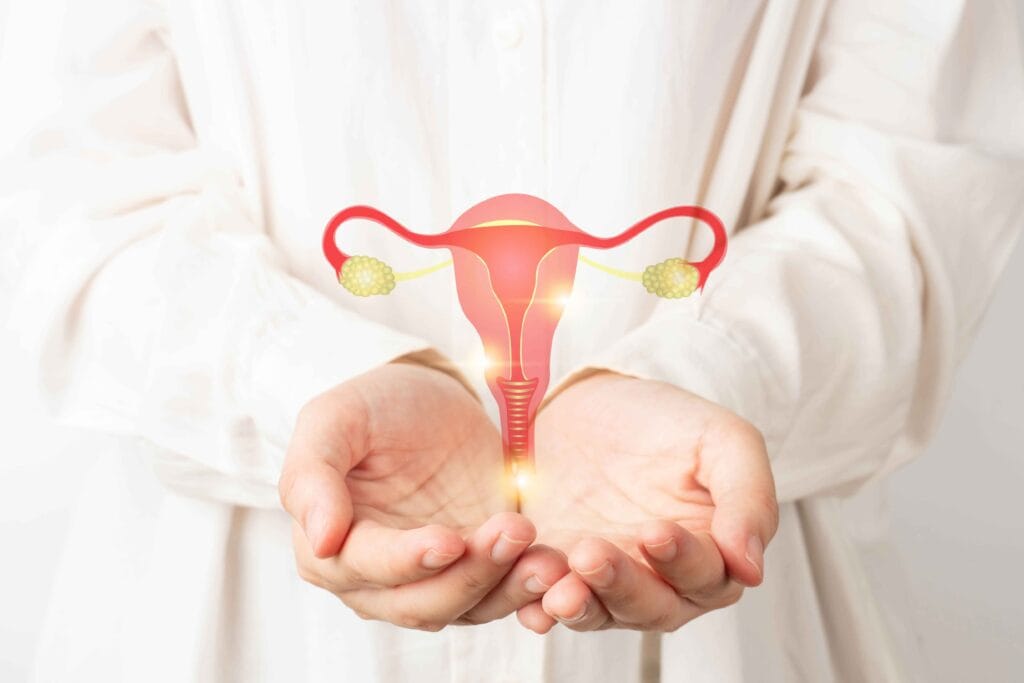
Polycystic Ovary Syndrome (PCOS)
After the necessary tests are performed and a diagnosis of Polycystic Ovary Syndrome (PCOS) is confirmed, treatment should begin without delay. The most important step in management is weight loss if the patient is overweight. Reducing excess weight helps improve associated conditions such as diabetes, high blood pressure, and high cholesterol. Additionally, achieving a healthy weight significantly increases the chances of pregnancy at the end of treatment.
Medical treatment often includes oral medications, particularly birth control pills. These medications help regulate androgen production, restore a regular menstrual cycle, and address symptoms such as physical changes, infertility, and acne.
Other treatment options may include diabetes medications, hormone therapies, clomiphene citrate, spironolactone, flutamide, or eflornithine cream, depending on the patient’s specific symptoms and needs.
In some cases, surgical intervention may be required to remove ovarian cysts. If cysts cannot be resolved through medication or other treatment methods, surgery may be considered. The procedure performed to remove cysts is generally simple and carries minimal risk of serious side effects. Additionally, surgical treatment can be an effective option in managing infertility associated with PCOS.
Patients diagnosed with PCOS should maintain a balanced and regular diet. If a clear diagnosis has not been established, initiating such treatments may be risky because hormonal balance is highly sensitive and should only be managed under the supervision of a specialist.
Chance of Recovery in Polycystic Ovary Syndrome
With appropriate treatment, PCOS can be effectively managed. However, women with PCOS may have a higher risk of endometrial cancer, breast cancer, and infertility compared to the general population.
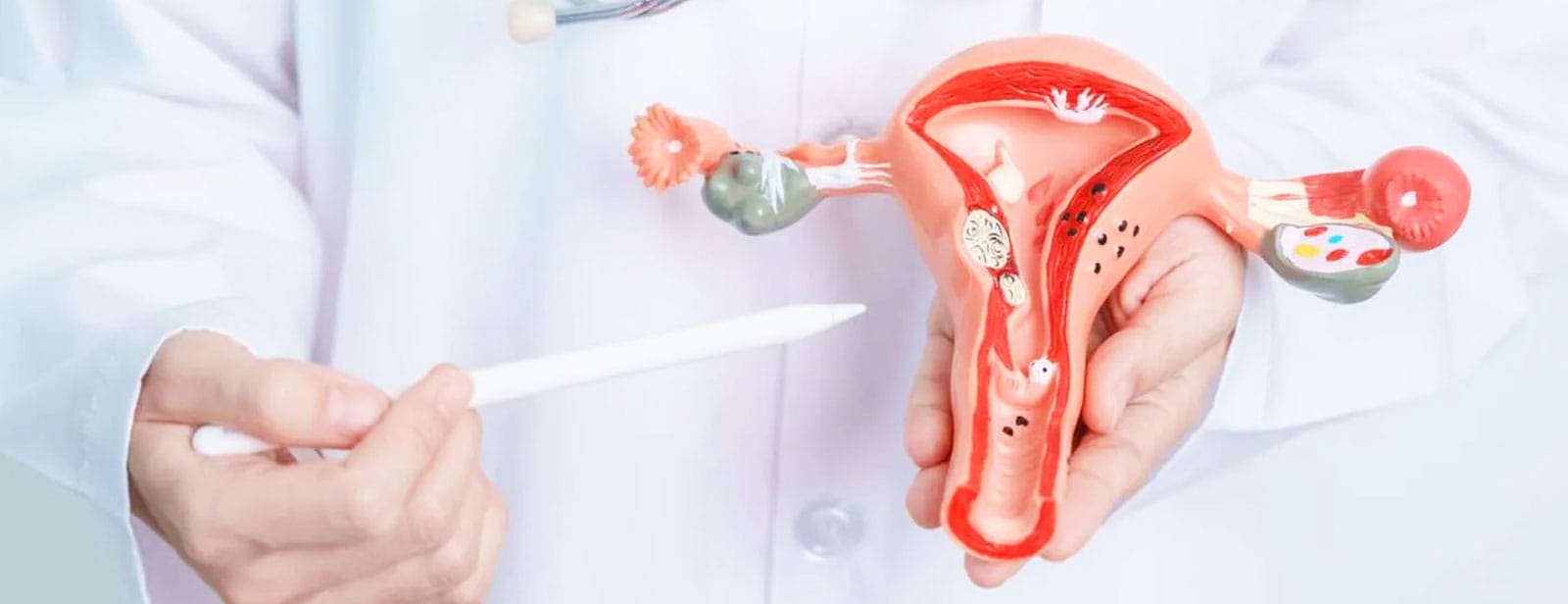
If you experience any of the symptoms associated with PCOS, you should consult a specialist to determine whether you have the condition. Women of reproductive age are particularly susceptible and should pay close attention to their reproductive health.
As with many medical conditions, PCOS can have significant effects on a woman’s health. Some women may experience difficulty conceiving or may struggle with infertility. Therefore, regular medical check-ups are essential, and if a problem is identified, treatment should begin promptly.
Women diagnosed with PCOS should remain positive and not lose hope. Thanks to advancements in modern medicine and innovative treatment options, managing PCOS has become much easier today.
Frequently Asked Questions About PCOS
❓ How is PCOS diagnosed?
PCOS is diagnosed based on clinical evaluation, hormone testing, and ultrasound findings. Doctors typically look for at least two of the following:
Irregular or absent menstrual cycles
Elevated androgen (male hormone) levels
Polycystic appearance of the ovaries on ultrasound
Blood tests may also assess insulin levels and metabolic markers.
❓ What causes polycystic ovary syndrome?
The exact cause of PCOS is not fully understood. However, insulin resistance, hormonal imbalance, genetic predisposition, and inflammation are considered major contributing factors.
❓ Can PCOS cause infertility?
Yes, PCOS is one of the most common causes of ovulatory infertility. Irregular ovulation or lack of ovulation can make natural conception more difficult, but treatment options are available.
❓ Can you get pregnant with PCOS?
Yes. Many women with PCOS conceive naturally or with fertility treatment. Ovulation induction medications, lifestyle changes, or IVF may be recommended depending on the situation.
❓ What are the common symptoms of PCOS?
Common symptoms include:
Irregular or missed periods
Excess facial or body hair (hirsutism)
Acne
Weight gain
Thinning hair
Difficulty getting pregnant
Symptoms vary from person to person.
❓ Does PCOS cause weight gain?
PCOS is strongly associated with insulin resistance, which can contribute to weight gain and difficulty losing weight. Managing insulin levels through diet and exercise plays a key role in symptom control.
❓ How is PCOS treated?
Treatment depends on symptoms and reproductive goals. Options may include:
Lifestyle modification
Birth control pills for cycle regulation
Ovulation induction medications
Insulin-sensitizing drugs
IVF in selected cases
Treatment is individualized for each patient.
❓ Is PCOS a lifelong condition?
PCOS is a chronic hormonal condition, but symptoms can be effectively managed with proper medical care, lifestyle adjustments, and regular follow-up.