


What Is Vaginismus? Causes, Symptoms, and Treatment
What Is Vaginismus? Causes, Symptoms, and Treatment
Vaginismus is a sexual health condition experienced by many women but often avoided as a topic of discussion. Characterized by the involuntary contraction of the vaginal muscles, this condition can make sexual intercourse, tampon use, or gynecological examinations painful or even impossible. Vaginismus can affect women’s sexual lives and overall quality of life; however, with proper treatment, it can be overcome.
What Is Vaginismus?
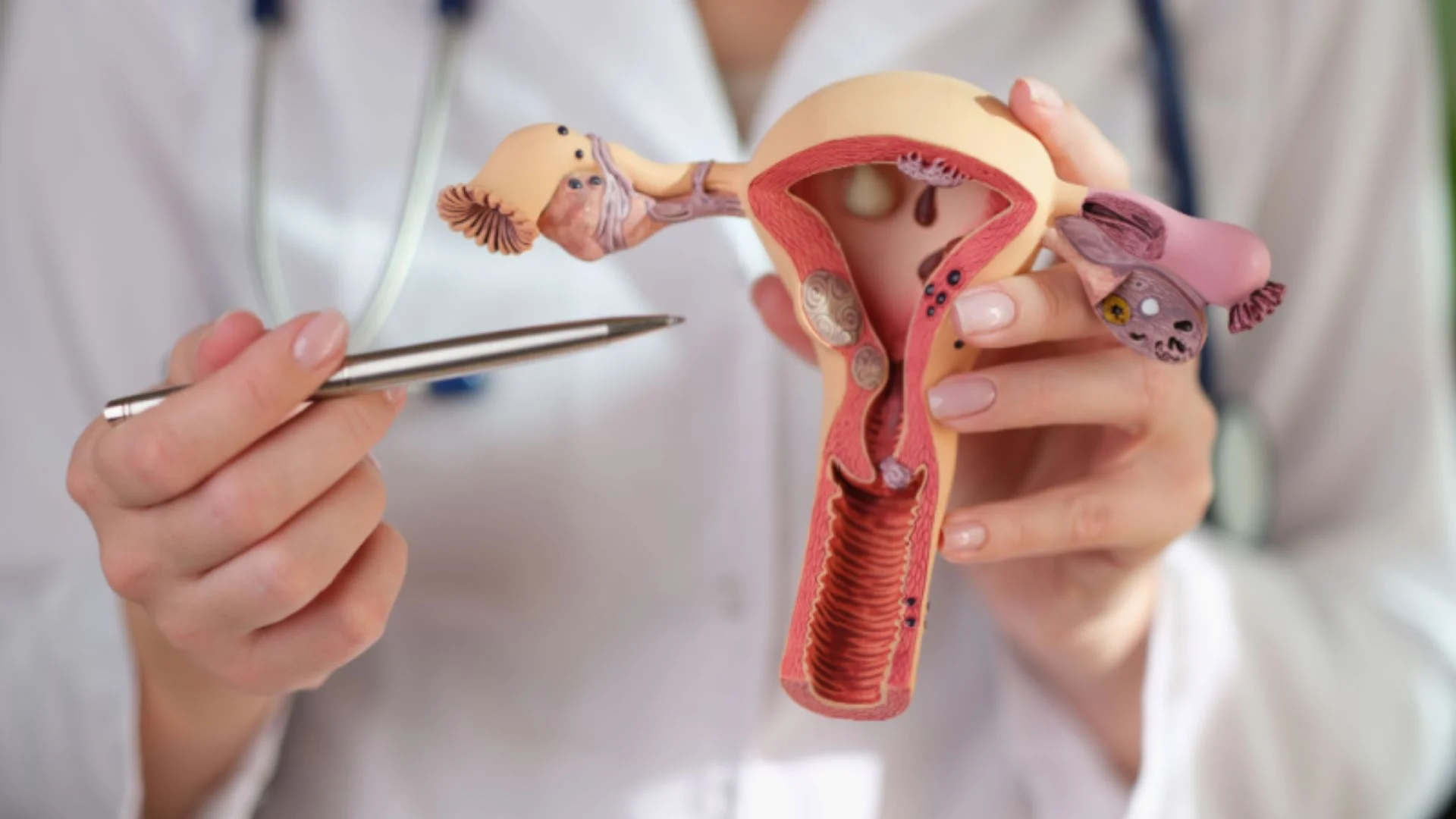
Vaginismus is the involuntary contraction of the muscles surrounding the vagina (especially the pelvic floor muscles). These contractions occur during attempts at vaginal penetration (such as sexual intercourse, tampon use, or gynecological instruments) and typically cause pain or make penetration completely impossible. Vaginismus does not mean that a person lacks sexual desire; it is a physical response often triggered by psychological or physical factors.
Vaginismus can range from mild (slight discomfort) to severe (complete inability to achieve penetration). Women may experience it differently; some may have difficulty only during sexual intercourse, while others may also struggle with tampon use or gynecological examinations.
Causes of Vaginismus
The exact cause of vaginismus is not always clear, but it is usually associated with a combination of psychological and physical factors.
Psychological Causes
Fear and Anxiety: Fear that vaginal penetration will be painful is one of the most common causes. This fear can subconsciously trigger muscle contractions.
Cultural and Social Influences: In some societies, excessive emphasis on female sexuality and virginity may create anxiety about sexual activity. In cultures where sexuality is taboo, women may perceive intercourse as frightening.
Lack of Sexual Education: Women who lack adequate knowledge about their bodies and sexual health may have difficulty understanding sexuality, which can lead to fear.
Past Trauma: Sexual abuse, rape, or negative medical experiences (such as painful gynecological exams) can trigger vaginismus.
Physical Causes
Infections: Vaginal infections (such as yeast infections or urinary tract infections) may cause pain and contribute to vaginismus.
Endometriosis: This condition, which causes pelvic pain, may be associated with vaginismus.
Previous Surgical Procedures: Surgeries involving the vagina or pelvic area may lead to muscle tension.
Hormonal Changes: Menopause or other hormonal imbalances may affect the sensitivity of vaginal tissues.
Symptoms of Vaginismus
The primary symptom of vaginismus is involuntary tightening of the vaginal muscles during attempts at penetration. This may present as:
Pain or burning sensation during penetration
Difficulty using tampons, menstrual cups, or vaginal applicators
Pain during gynecological examinations or inability to complete the exam
Pain during sexual intercourse (dyspareunia)
Fear or anxiety related to sexual activity
An important point is that women with vaginismus can still experience sexual arousal and orgasm through clitoral stimulation; the issue is specifically related to vaginal penetration.
Types of Vaginismus
Vaginismus can be classified based on its onset and scope:
Primary Vaginismus: The woman has experienced difficulty with vaginal penetration throughout her life. It is usually noticed during the first sexual experience.
Secondary Vaginismus: Penetration was previously possible, but problems develop later (for example, after trauma or a medical condition).
Global Vaginismus: Difficulty occurs with any form of vaginal penetration (intercourse, tampon use, examination).
Situational Vaginismus: Difficulty occurs only in specific situations (for example, only during sexual intercourse).
Diagnosis of Vaginismus
Vaginismus is typically diagnosed by a healthcare professional through evaluation of symptoms and a physical examination. The process may include:
Medical History: The doctor asks about symptoms, sexual history, possible trauma, and medical conditions.
Physical Examination: A pelvic exam may be performed to rule out other causes of pain (such as infection or endometriosis). This exam can be challenging for women with vaginismus, so open communication with the doctor is essential.
Psychological Assessment: Consultation with a therapist or counselor may be recommended to evaluate psychological factors.
Treatment Options for Vaginismus
Vaginismus is treatable, and most women experience significant improvement with appropriate care. Treatment usually requires a multidisciplinary approach and may include the following methods:
Education and Counseling
Sexual Education: Learning about sexual anatomy and response can reduce fear and normalize the experience.
Cognitive Behavioral Therapy (CBT): An effective method for overcoming anxiety and fears.
Couples Therapy: If the condition affects the relationship, therapy with a partner can be beneficial.
Pelvic Floor Physical Therapy
Working with physiotherapists to relax and control pelvic floor muscles is highly effective.
Biofeedback techniques can be used to improve muscle awareness and control.
Gradual Dilation
Vaginal dilators of increasing sizes are used to gradually relax the muscles.
This process should be carried out under the guidance of a healthcare professional.
Relaxation Techniques
Yoga, meditation, and deep breathing exercises can reduce anxiety and promote muscle relaxation.
Medications and Other Treatments
In rare cases, muscle relaxants or anti-anxiety medications may be prescribed.
In severe cases, botulinum toxin (Botox) injections into the pelvic floor muscles are being explored.
Below is a summary of common treatment methods and their advantages:
Treatment Method | Description | Advantages
Education and Counseling | Provides information about sexual health and anatomy; reduces fear. | Non-invasive; addresses psychological causes.
Pelvic Floor Physical Therapy | Uses exercises and biofeedback to relax muscles. | Improves muscle control; offers long-term results.
Gradual Dilation | Muscles are gradually relaxed using vaginal dilators. | Controlled and effective; can be practiced at home.
Relaxation Techniques | Reduces anxiety through yoga and meditation. | Improves overall mental health; accessible.
Medications/Botox | Uses muscle relaxants or Botox injections. | May provide rapid relief in severe cases; invasive.
Living with Vaginismus
Living with vaginismus can be emotionally and physically challenging, but it is important to know that you are not alone. The following tips may help:
Open Communication: Sharing your feelings with your partner can make it easier to find solutions together.
Support Groups: Joining support groups allows you to share experiences with other women who have vaginismus.
Be Patient: Treatment takes time; be kind to yourself.
Focus on Pleasure: Sexual pleasure is possible without vaginal penetration; explore clitoral stimulation and other methods.
Conclusion
Vaginismus is a complex condition that can affect women’s sexual health and relationships, but it can be overcome with proper treatment and support. If you experience symptoms of vaginismus, do not hesitate to consult a gynecologist, physiotherapist, or sexual health specialist. Shame or stigma should not prevent you from seeking help; with effective treatments, you can regain your sexual health and enjoy a satisfying sexual life.
Frequently Asked Questions (FAQ)
Can vaginismus be completely cured?
Yes, with appropriate treatment, many women experience significant improvement or full recovery.
Is vaginismus common?
Although exact prevalence is unknown, it is estimated that 1–7% of women worldwide experience vaginismus. Due to stigma, the actual rate may be higher.
Can women with vaginismus have children?
Yes, women with vaginismus can have children, although in some cases additional assistance may be needed for conception or childbirth.
Does vaginismus go away on its own?
In mild cases, improvement may occur with education and relaxation techniques, but severe cases usually require professional treatment.
Is vaginismus only psychological?
No, vaginismus is a physical condition involving muscle spasms, although psychological factors often play a significant role. Treatment should address both aspects.