
Popup Görseli

Author: Dr. Halil İbrahim Tekin

After IVF Treatment

After IVF Treatment After IVF Treatment, the period following embryo transfer becomes one of the most important stages of the fertility journey. Many patients focus only on egg collection, fertilization, and embryo development, but the days after transfer also require care, patience, and close attention to medical advice. This stage can be physically manageable but emotionally intense, because patients are waiting to learn whether implantation has occurred and whether the treatment has been successful. After IVF Treatment, the medical team usually provides detailed guidance about rest, medication use, daily activity, and the timing of the pregnancy test. Following these recommendations carefully is important because the transfer period is delicate, and every instruction is designed to support the best possible environment for embryo implantation. Embryo Transfer and Pregnancy Test After IVF Treatment Embryos are monitored in the laboratory for several days after fertilization. During this time, embryologists assess cell division, development, and overall embryo quality. The embryo or embryos with the best developmental potential are then selected for transfer. After IVF Treatment reaches this stage, embryo transfer becomes one of the most delicate steps in the entire process. The transfer procedure itself is usually simple and does not require anesthesia in most patients. Using a soft catheter, the selected embryo is placed into the uterus under ultrasound guidance. This allows accurate placement inside the uterine cavity. The procedure is generally short, often lasting only a few minutes, and is usually performed in a calm clinical setting. After IVF Treatment, the days following embryo transfer are often called the waiting period. This is the time before the blood pregnancy test is done. Many patients feel hopeful, anxious, or emotionally sensitive during this stage, which is completely understandable. What to Expect After IVF Treatment and Embryo Transfer After IVF Treatment and embryo transfer, patients are usually advised to rest for a short time at the clinic before going home. Complete bed rest is not usually necessary, but heavy physical effort, intense exercise, and lifting should be avoided. Light daily movement is generally acceptable unless the doctor advises otherwise. It is common to wonder which symptoms are normal during this stage. Mild cramping, slight pelvic discomfort, breast tenderness, bloating, or light spotting may occur. These symptoms are often related to hormonal medications or to the transfer itself and do not clearly indicate either success or failure. For this reason, patients should avoid trying to interpret every sensation too closely After IVF Treatment. Patients are usually allowed to shower, but very hot baths, saunas, and steam rooms are generally discouraged. Extreme heat is usually avoided during the implantation period. The same careful approach applies to strenuous activities and anything that may place unnecessary physical stress on the body. Sexual intercourse is also commonly postponed until the pregnancy test is completed. This recommendation is usually made to help avoid uterine irritation or unnecessary contractions during the early implantation period. Pregnancy Test After IVF Treatment The pregnancy test is one of the most anticipated parts of the process After IVF Treatment. It is usually performed around 12 days after embryo transfer, although the exact timing may vary according to the clinic protocol and the stage of the embryo at transfer. The most reliable method is a blood test that measures beta-hCG levels. Home pregnancy tests are often discouraged too early After IVF Treatment because medications used during the cycle may affect timing or interpretation. Testing too soon may create confusion and unnecessary emotional stress. For that reason, patients are usually advised to wait for the scheduled blood test. If the test result is positive, hormone support often continues. Progesterone and sometimes estrogen are commonly used to support the uterine lining and help maintain early pregnancy. These medications are usually not stopped immediately after a positive result. In many cases, hormonal support continues into the early weeks of pregnancy according to the doctor’s plan. If the test result is negative, the treatment cycle is reviewed carefully. The doctor may discuss possible reasons, whether frozen embryos are available, and what the next steps may be. Even when the result is disappointing, a follow-up review can provide useful direction and help patients feel more prepared for future planning. Emotional Well-Being After IVF Treatment After IVF Treatment, emotional well-being matters just as much as physical care. The waiting period can feel long and stressful, especially for patients who have already gone through previous fertility challenges. It is normal to feel nervous, hopeful, impatient, or tired during this time. Many patients benefit from keeping daily life calm and balanced. Gentle routines, adequate sleep, healthy meals, hydration, and emotional support from a partner or trusted family member may make the process easier. It is also important not to compare symptoms or timelines too closely with other people, because every IVF journey is different. Why Medical Instructions Matter After IVF Treatment After IVF Treatment, following the doctor’s instructions closely is one of the most important parts of care. Medications should be taken exactly as prescribed, and follow-up dates should not be missed. Patients should also contact the clinic if they experience severe pain, heavy bleeding, shortness of breath, fever, or any symptom that feels unusual or concerning. Although the embryo transfer itself is short, the period After IVF Treatment plays a major role in the overall treatment experience. Careful medication use, realistic expectations, and emotional support help patients move through this stage with greater confidence. Conclusion After IVF Treatment, the focus shifts to rest, medication, emotional balance, and waiting for the pregnancy test. This stage may seem quiet compared with earlier parts of IVF, but it is still a very important part of the overall process. Patients should follow medical advice carefully and avoid unnecessary physical or emotional stress whenever possible. Understanding what to expect After IVF Treatment can make the waiting period feel more manageable. With the right guidance and supportive care, patients can move through this stage in a calmer and more informed way.
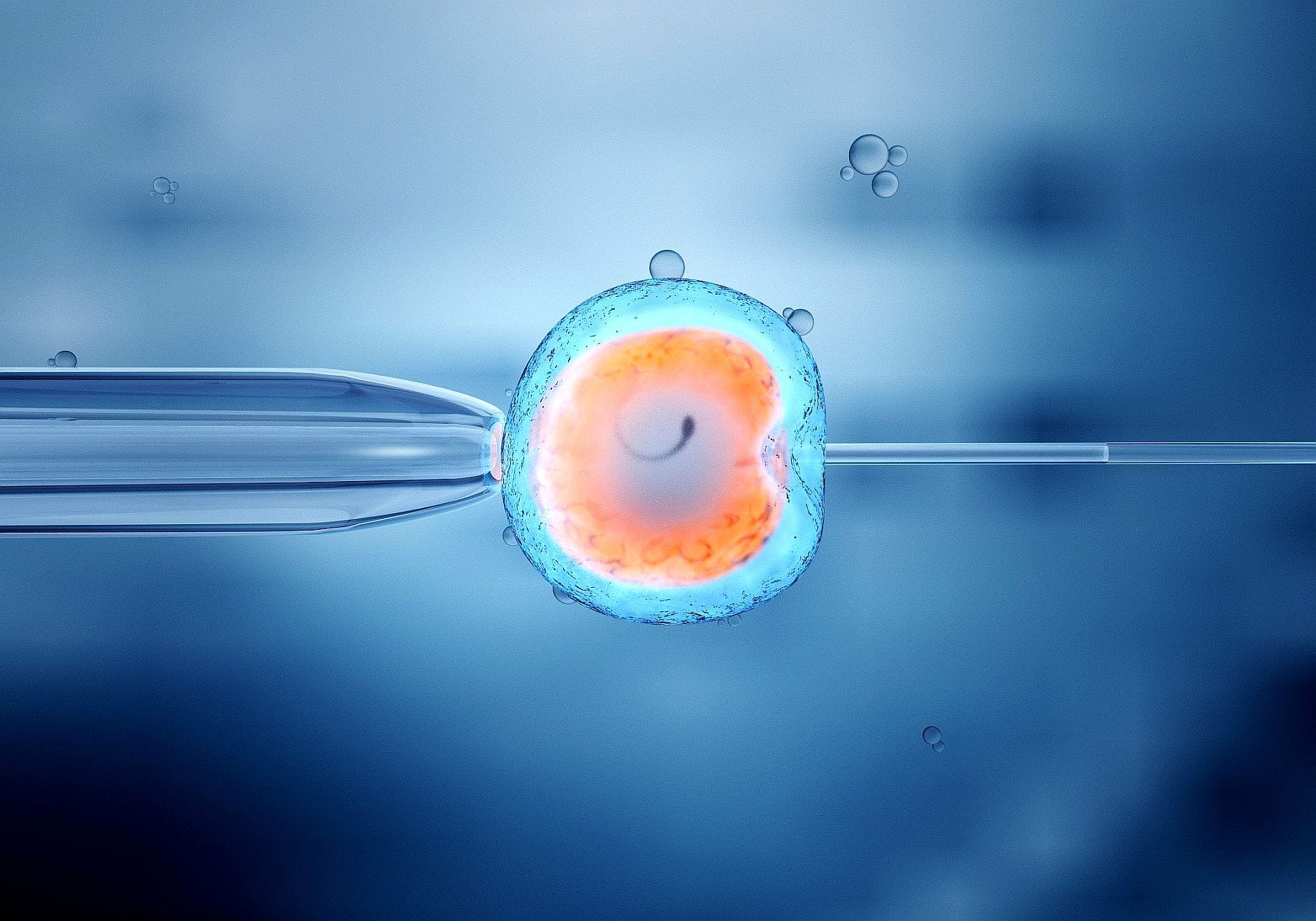
IVF Treatment Process

IVF Treatment Process: Ovarian Stimulation and Egg Retrieval The IVF treatment process includes several important stages designed to increase the chances of pregnancy. One of the most critical phases is ovarian stimulation, which aims to encourage the ovaries to produce multiple eggs instead of the single egg normally released during a natural menstrual cycle. During this stage of the IVF treatment process, fertility medications are used to stimulate the ovaries and support the development of multiple follicles. Follicles are small fluid-filled sacs in the ovaries that contain developing eggs. Producing several mature eggs significantly increases the chances of successful fertilization and embryo development. Ovarian Stimulation in the IVF Treatment Process Ovarian stimulation is carefully monitored throughout the IVF treatment process. Patients receive personalized hormone treatments, usually in the form of injectable medications. These medications help stimulate the ovaries and promote the growth of multiple follicles. During this period, regular ultrasound examinations and blood tests are performed to monitor hormone levels and follicle development. These tests allow fertility specialists to evaluate the number and size of follicles and adjust medication dosages when necessary. The ovarian stimulation phase of the IVF treatment process typically lasts between 8 and 12 days. However, the exact duration can vary depending on several factors, including: The woman’s age Body weight Ovarian reserve (AMH levels) Previous fertility treatments Overall hormonal balance For example, women with diminished ovarian reserve or those of advanced reproductive age may require different stimulation protocols compared to younger patients. Strict adherence to medication timing is extremely important during this stage. Administering hormone injections at the correct time and dosage directly influences the success of the IVF treatment process. Patients are also encouraged to maintain a balanced diet, avoid excessive physical activity, and manage stress levels. When the follicles reach the appropriate size, a final hormone injection called the trigger shot is administered. This injection triggers the final maturation of the eggs and prepares them for retrieval. Egg Retrieval Stage in the IVF Treatment Process Egg retrieval, also known as Oocyte Pick-Up (OPU), is the next important step in the IVF treatment process. It is considered a minor surgical procedure and is usually performed under light anesthesia or sedation to ensure patient comfort. The egg retrieval procedure generally takes about 15 to 20 minutes. Using transvaginal ultrasound guidance, a thin needle is inserted through the vaginal wall into the ovaries. The fluid inside the follicles, which contains the eggs, is carefully aspirated and transferred to the embryology laboratory. In the laboratory, experienced embryologists examine the follicular fluid under a microscope to identify and isolate mature eggs. Sperm Collection During the IVF Treatment Process On the same day as egg retrieval, the male partner typically provides a semen sample. To improve sperm quality, a period of 3–4 days of sexual abstinence is usually recommended before the procedure. In cases where sperm cannot be obtained through ejaculation, surgical sperm retrieval techniques may be used. Fertilization Methods Used in the IVF Treatment Process After the eggs and sperm are collected, fertilization takes place in the laboratory. Two primary fertilization techniques may be used: Conventional IVF: Eggs and sperm are placed together in a culture medium, allowing fertilization to occur naturally. Intracytoplasmic Sperm Injection (ICSI): A single sperm cell is injected directly into the egg using a specialized microscope technique. The ICSI method is commonly used in cases of male infertility, low sperm count, or poor sperm motility. Following fertilization, embryos are cultured in specialized incubators under carefully controlled laboratory conditions. Embryo development is monitored closely for 2 to 6 days before selecting the highest-quality embryos for transfer. Recovery After Egg Retrieval After egg retrieval, patients are usually discharged on the same day. Some mild pelvic discomfort, bloating, or light spotting may occur, but these symptoms generally resolve within a short time. Patients are typically advised to rest, avoid strenuous physical activity, and follow their doctor’s instructions carefully during the recovery period. Why This Stage Is Critical in the IVF Treatment Process The ovarian stimulation and egg retrieval stages play a crucial role in the overall IVF treatment process. The number and quality of eggs obtained directly influence embryo development and the chances of successful pregnancy. Careful monitoring by experienced fertility specialists and advanced laboratory conditions are essential for maximizing treatment success during this stage of the IVF treatment process.

Before IVF Treatment

Before IVF Treatment: Preparation and What to Expect Before IVF treatment (In Vitro Fertilisation – IVF), couples often want to understand how the process works and what preparations are necessary. IVF treatment is one of the most effective fertility treatments for couples experiencing infertility. Preparing both physically and emotionally before starting IVF can help couples manage the treatment process more confidently and improve the chances of success. Preparing for IVF treatment usually includes medical evaluation, lifestyle adjustments, and understanding the stages of the IVF process. Proper preparation allows doctors to create the most appropriate treatment plan for each couple. What Happens Before IVF Treatment? Before starting IVF treatment, couples usually undergo a detailed fertility evaluation. Thousands of couples seek medical advice every year when they are unable to conceive naturally. Understanding the IVF treatment stages helps reduce anxiety and allows couples to approach the process with realistic expectations. Open communication between the couple and the fertility specialist is extremely important during this stage. Main Stages of IVF Treatment Initial medical examination and fertility evaluation Ovarian stimulation with fertility medications Egg retrieval procedure Fertilisation and embryo development Embryo transfer Pregnancy test Initial Examination and Fertility Evaluation The IVF process usually begins with a detailed consultation between the couple and a fertility specialist. During this consultation, doctors review medical history and previous fertility treatments. Many couples consider IVF after experiencing difficulty conceiving naturally. However, fertility specialists generally recommend trying to conceive naturally for at least one year before starting IVF treatment, unless there are known fertility problems. During the evaluation stage, doctors consider several factors including: Age of both partners Duration of infertility Previous pregnancies or treatments Medical history Medical Tests Before IVF Treatment Several tests may be required before starting IVF treatment to identify possible fertility problems and determine the most suitable treatment plan. Common tests include: Semen analysis for the male partner Hormone blood tests for both partners Hysterosalpingography (HSG) to examine the uterus and fallopian tubes Ultrasound evaluation of the ovaries and uterus Chromosome analysis in selected cases Review of previous medical or surgical reports These tests help fertility specialists determine the cause of infertility and improve the chances of success before IVF treatment begins. How to Prepare Before IVF Treatment Preparing properly before IVF treatment can positively affect treatment outcomes. Doctors often recommend lifestyle adjustments before starting fertility treatment. Important preparation steps may include: Maintaining a healthy body weight Stopping smoking and limiting alcohol consumption Reducing stress levels Eating a balanced diet rich in nutrients Taking recommended vitamins such as folic acid These changes support reproductive health and may improve the chances of successful fertilisation and pregnancy. Factors That Affect IVF Success IVF success rates depend on several factors, including the age of the woman, egg quality, sperm quality, and overall reproductive health. Younger women generally have higher IVF success rates, while success rates may decrease with increasing age. Other important factors include embryo quality and the experience of the fertility clinic. Conclusion Understanding what happens before IVF treatment helps couples feel more prepared and confident about starting fertility treatment. Proper medical evaluation, healthy lifestyle habits, and clear communication with fertility specialists can significantly improve the chances of IVF success.

IVF Prices 2026 | Current IVF Treatment and Success Rates

IVF Prices 2026: Current IVF Treatment Costs and Success Rates IVF Prices 2026 are one of the most searched topics for couples planning fertility treatment. In vitro fertilization (IVF) continues to be one of the most effective assisted reproductive techniques available today. Thanks to advanced laboratory technologies, personalized treatment protocols, and improved success rates, IVF treatment in 2026 offers more reliable outcomes than ever before. In this guide, you will find the most up-to-date information about IVF Prices 2026, treatment stages, success rates, and the factors that influence IVF treatment costs. How Much Are IVF Prices 2026? The average IVF Prices 2026 generally range between 6,000 and 15,000 euros. However, the final cost of treatment may vary depending on the clinic, laboratory technology, and additional medical procedures required. Several important factors influence IVF treatment costs: The woman’s age and ovarian reserve The IVF technique used (IVF, ICSI, PGT testing, embryo freezing) Laboratory quality and medical technology Medication and hormone stimulation protocols Additional diagnostic tests and monitoring Advanced technologies such as genetic embryo screening (PGT-A) and time-lapse embryo monitoring systems can increase treatment success while also affecting overall costs. Advantages of IVF Treatment in 2026 Modern fertility medicine continues to improve IVF outcomes. As a result, many couples researching IVF Prices 2026 also want to understand the advantages of undergoing treatment today. Higher Success Rates New generation IVF laboratory systems allow embryologists to monitor embryo development more accurately. This increases the probability of selecting healthy embryos. Personalized IVF Protocols In 2026, fertility clinics often use individualized treatment plans. Each patient receives a personalized medication protocol designed according to their hormonal profile and reproductive history. Advanced Fertility Technologies Time-lapse embryo monitoring systems Preimplantation genetic testing (PGT) Improved embryo culture environments These innovations help fertility specialists choose the healthiest embryos for transfer. IVF Treatment Process in 2026 Understanding the treatment stages is essential for couples researching IVF Prices 2026. The IVF process generally includes the following steps: Initial Consultation and Fertility Evaluation Hormone tests, ultrasound scans, and sperm analysis are performed. Ovarian Stimulation Hormonal medications stimulate the ovaries to produce multiple eggs. Egg Retrieval and Fertilization Eggs are collected and fertilized with sperm in the laboratory using IVF or ICSI. Embryo Transfer Healthy embryos are transferred into the uterus in a simple procedure. Pregnancy Test A blood test is performed about 10–12 days after embryo transfer. Factors That Influence IVF Prices 2026 The final cost of fertility treatment depends on multiple medical and logistical factors. Couples researching IVF Prices 2026 should consider: Age of the female patient Egg quality and ovarian reserve Need for donor eggs or sperm Use of genetic embryo testing Number of treatment cycles required Each couple’s fertility situation is unique, so treatment plans and costs can vary. Why Many Couples Choose IVF Treatment in 2026 There are several reasons why IVF treatment continues to grow in popularity worldwide: Higher pregnancy success rates compared with many other fertility treatments Advanced laboratory technology and improved embryo selection Personalized fertility treatment protocols Better monitoring and medical safety Many clinics also offer international patient services, including consultation support, travel guidance, and treatment coordination. Frequently Asked Questions About IVF Prices 2026 How long does IVF treatment take? The complete IVF process typically takes between 3 and 6 weeks depending on the patient’s response to medication. Is IVF success guaranteed? No fertility treatment can guarantee pregnancy. However, experienced clinics and modern technologies significantly improve success rates. Does age affect IVF success? Yes. Fertility outcomes are generally higher in women under 35, while egg quality may decline with increasing age. Conclusion IVF Prices 2026 reflect both technological advancements and individualized treatment approaches in modern fertility medicine. With improved laboratory techniques, experienced fertility specialists, and personalized care, many couples now have greater opportunities to achieve their dream of parenthood. If you are considering IVF treatment, consulting a specialized fertility center can help you understand your options and determine the most appropriate treatment plan.

1 4 5 6 8