

Category: Genel

Home Genel Page 4

Early Menopause Treatment

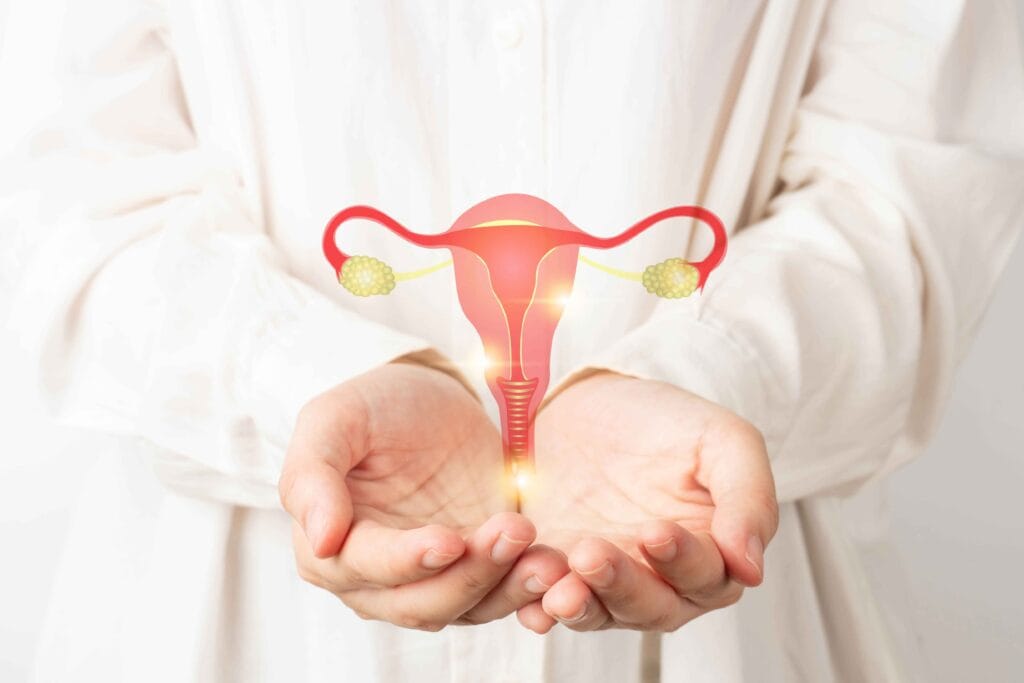
Early Menopause: Treatment and Symptoms Early menopause is defined as the cessation of menstrual cycles before the age of 40. Unlike natural menopause, early menopause often occurs unexpectedly and can significantly affect both the physical and emotional well-being of women. In most cases, the condition cannot be reversed. However, in certain situations, menstrual cycles may temporarily resume, and pregnancy may still be possible. The primary goal of early menopause treatment is to help women manage symptoms comfortably and improve their quality of life. Thanks to advances in medical technology, women experiencing early menopause today have improved chances of achieving pregnancy through assisted reproductive techniques. Medical Treatment Options Hormone replacement therapy (HRT) is one of the most common treatments for early menopause. This therapy restores hormones such as estrogen and progesterone to the body and aims to relieve menopausal symptoms. Treatment must always be individualized based on the patient’s medical evaluation. Detailed laboratory tests and examinations are required before initiating therapy, and hormone treatment should never be started without medical supervision. For women who wish to conceive, fertility treatments may offer additional options. These include in vitro fertilization (IVF) and egg donation programs. However, eligibility depends on overall health, ovarian reserve status, and hormone levels. Lifestyle Adjustments and Home-Based Support In addition to clinical treatments, lifestyle modifications play a crucial role in managing early menopause symptoms. Disruptions in lifestyle habits may worsen the condition. Recommended lifestyle changes include: Stress management: Maintaining a positive emotional state can help reduce symptoms. Emotional support: Support from family and friends can significantly improve mental well-being. Balanced nutrition: Calcium-rich foods help protect bone health. Regular exercise: Physical activity helps manage both physical and psychological symptoms. Quitting smoking and limiting alcohol: These habits negatively affect hormonal balance and may worsen symptoms. These supportive measures complement medical treatments and contribute to a more comfortable transition. Symptoms of Early Menopause Early menopause may present with a variety of symptoms, including: Irregular menstrual cycles Heavy menstrual bleeding Shortened or prolonged periods Intermenstrual spotting Increasing intervals between menstrual cycles Women experiencing these symptoms should consult a gynecologist for proper evaluation, as these signs may also indicate other medical conditions. Accurate diagnosis is essential for determining the appropriate treatment plan.   Emotional Impact of Early Menopause Beyond physical symptoms, early menopause may lead to emotional challenges. Women may experience feelings of depression, anxiety, or inadequacy. The reduced likelihood of natural conception can also cause significant emotional distress. Psychological counseling and support groups can be beneficial in coping with these changes. Modern Medicine and Early Menopause Recent medical advancements offer promising developments in early menopause management. Emerging treatments such as stem cell therapies and genetic research may provide innovative solutions in the future. However, these treatments are still under clinical investigation and should only be pursued under specialist supervision. Specialized fertility clinics provide up-to-date and personalized treatment options to help women manage early menopause more comfortably. With experienced medical teams and advanced technology, individualized care plans can be developed to address each patient’s unique needs. Early menopause represents a significant life transition for women. With appropriate medical guidance, lifestyle adjustments, and emotional support, its effects can be effectively managed. Modern medical approaches combined with supportive care allow women experiencing early menopause to maintain a healthy and fulfilling life. ❓ What is early menopause? Early menopause occurs when a woman stops having menstrual periods before the age of 40. It may happen naturally or due to medical treatments, genetic conditions, or autoimmune disorders. ❓ What are the symptoms of early menopause? Common early menopause symptoms include: Irregular or missed periods Hot flashes Night sweats Vaginal dryness Mood changes Decreased fertility Recognizing symptoms early helps improve treatment outcomes. ❓ Can early menopause be treated? Yes. Early menopause treatment focuses on managing symptoms and protecting long-term health. Treatment options may include: Hormone Replacement Therapy (HRT) Lifestyle modifications Calcium and vitamin D supplementation Fertility support if needed ❓ Is hormone therapy safe for early menopause? Hormone therapy is generally recommended for women with early menopause until the natural age of menopause (around 50–51), unless contraindicated. It helps reduce symptoms and protect bone and heart health. ❓ Can you get pregnant after early menopause? Spontaneous pregnancy is rare but possible in some cases. Fertility treatments such as IVF with donor eggs may be an option depending on ovarian function. ❓ What happens if early menopause is not treated? Untreated early menopause may increase the risk of: Osteoporosis Cardiovascular disease Cognitive changes Early diagnosis and proper treatment are important for long-term health.
Polycystic Ovary Syndrome (PCOS)

In short: Polycystic ovary syndrome (PCOS) is a common hormone condition. It can cause irregular periods, extra hair, acne and trouble getting pregnant. It cannot be cured for life, but it can be well controlled. Weight loss, medicines and, when needed, fertility treatment such as IVF help many women with PCOS get pregnant. Treatment of Polycystic Ovary Syndrome (PCOS) Treatment should start soon after tests confirm PCOS. If you are overweight, the most important step is losing weight. Losing extra weight helps related problems such as diabetes, high blood pressure and high cholesterol. A healthy weight can also greatly raise the chance of pregnancy at the end of treatment. Medical treatment often includes pills, especially birth control pills. They help control male hormone (androgen) levels. They also bring back a regular cycle and help with symptoms such as body changes, infertility and acne. Other options depend on your symptoms and needs. They may include: diabetes medicines hormone treatments clomiphene citrate spironolactone flutamide eflornithine cream Sometimes surgery is needed for ovarian cysts. It may be considered if medicine and other treatments do not work. The operation to remove cysts is usually simple and has a low risk of serious side effects. In some women, surgery can also help with infertility linked to PCOS. Women with PCOS should eat a balanced, regular diet and live a healthy lifestyle. Do not start treatment before a clear diagnosis. Hormone balance is very sensitive, so it should always be managed by a specialist. Can PCOS Be Controlled? Yes. With the right treatment, PCOS can be well managed and its symptoms can be controlled. But women with PCOS may have a higher risk of some conditions than other women. These include endometrial cancer, breast cancer and infertility. So regular check-ups are very important. If you have symptoms of PCOS, see a specialist. They can check whether you have it and explain your treatment options. Women of childbearing age are most at risk. They should pay close attention to their hormone and metabolic health. Like many conditions, PCOS can affect your overall well-being. Some women find it hard to get pregnant. So regular check-ups are essential. If a problem is found, treatment should start quickly. Women with PCOS have good reason to stay hopeful. Thanks to modern medicine, managing PCOS and living well with it is much easier today. The keys are early diagnosis, regular follow-up and a personal plan made with your doctor. Frequently Asked Questions About PCOS How is PCOS diagnosed? Doctors use a physical exam, hormone tests and an ultrasound scan. They usually look for at least two of these signs: irregular or missing periods high levels of male hormones (androgens) ovaries that look polycystic on ultrasound Blood tests may also check insulin and other metabolic levels. This is important if insulin resistance or metabolic syndrome is suspected. What causes polycystic ovary syndrome? The exact cause is not fully known. Main factors are thought to be insulin resistance, hormone imbalance, genes and long-term mild inflammation. In many women, several of these factors are present and affect each other. Can PCOS cause infertility? Yes. PCOS is one of the most common causes of infertility linked to ovulation. When ovulation is irregular or does not happen, natural pregnancy is harder. But many women with PCOS get pregnant with lifestyle changes, medicine or fertility treatment when needed. Can you get pregnant with PCOS? Yes. Many women with PCOS get pregnant naturally or with fertility treatment. Depending on the case, your doctor may suggest: medicines that trigger ovulation lifestyle changes in vitro fertilization (IVF) The best approach depends on your age, hormone levels, egg reserve and general health. What are the common symptoms of PCOS? Common symptoms include: irregular or missed periods extra hair on the face or body (hirsutism) acne or oily skin weight gain or trouble losing weight thinning hair on the scalp trouble getting pregnant Symptoms differ from woman to woman. Some have very mild symptoms. Others have stronger hormone and metabolic changes. Does PCOS cause weight gain? PCOS is closely linked to insulin resistance. This can lead to weight gain and make it harder to lose weight. Controlling insulin is key for symptoms and long-term health. A balanced diet, regular exercise and, when needed, medicine all help. How is PCOS treated? Treatment depends on your symptoms and whether you want to get pregnant. Options may include: lifestyle changes (healthy diet, exercise, weight control) birth control pills or hormone treatment to regulate the cycle medicines that trigger ovulation for women who want a baby medicines that improve insulin response, if there is insulin resistance IVF or other fertility treatment in some cases Every treatment plan is personal. Your doctor will look at your symptoms, hormone levels and pregnancy plans to choose the best approach. Is PCOS a lifelong condition? PCOS is a long-term hormone condition. But its symptoms and long-term risks can be well managed. Good medical care, lifestyle changes and regular check-ups all help. With the right support, many women with PCOS live healthy lives, protect their fertility and lower their future health risks.

After IVF Treatment

After IVF Treatment After IVF Treatment, the period following embryo transfer becomes one of the most important stages of the fertility journey. Many patients focus only on egg collection, fertilization, and embryo development, but the days after transfer also require care, patience, and close attention to medical advice. This stage can be physically manageable but emotionally intense, because patients are waiting to learn whether implantation has occurred and whether the treatment has been successful. After IVF Treatment, the medical team usually provides detailed guidance about rest, medication use, daily activity, and the timing of the pregnancy test. Following these recommendations carefully is important because the transfer period is delicate, and every instruction is designed to support the best possible environment for embryo implantation. Embryo Transfer and Pregnancy Test After IVF Treatment Embryos are monitored in the laboratory for several days after fertilization. During this time, embryologists assess cell division, development, and overall embryo quality. The embryo or embryos with the best developmental potential are then selected for transfer. After IVF Treatment reaches this stage, embryo transfer becomes one of the most delicate steps in the entire process. The transfer procedure itself is usually simple and does not require anesthesia in most patients. Using a soft catheter, the selected embryo is placed into the uterus under ultrasound guidance. This allows accurate placement inside the uterine cavity. The procedure is generally short, often lasting only a few minutes, and is usually performed in a calm clinical setting. After IVF Treatment, the days following embryo transfer are often called the waiting period. This is the time before the blood pregnancy test is done. Many patients feel hopeful, anxious, or emotionally sensitive during this stage, which is completely understandable. What to Expect After IVF Treatment and Embryo Transfer After IVF Treatment and embryo transfer, patients are usually advised to rest for a short time at the clinic before going home. Complete bed rest is not usually necessary, but heavy physical effort, intense exercise, and lifting should be avoided. Light daily movement is generally acceptable unless the doctor advises otherwise. It is common to wonder which symptoms are normal during this stage. Mild cramping, slight pelvic discomfort, breast tenderness, bloating, or light spotting may occur. These symptoms are often related to hormonal medications or to the transfer itself and do not clearly indicate either success or failure. For this reason, patients should avoid trying to interpret every sensation too closely After IVF Treatment. Patients are usually allowed to shower, but very hot baths, saunas, and steam rooms are generally discouraged. Extreme heat is usually avoided during the implantation period. The same careful approach applies to strenuous activities and anything that may place unnecessary physical stress on the body. Sexual intercourse is also commonly postponed until the pregnancy test is completed. This recommendation is usually made to help avoid uterine irritation or unnecessary contractions during the early implantation period. Pregnancy Test After IVF Treatment The pregnancy test is one of the most anticipated parts of the process After IVF Treatment. It is usually performed around 12 days after embryo transfer, although the exact timing may vary according to the clinic protocol and the stage of the embryo at transfer. The most reliable method is a blood test that measures beta-hCG levels. Home pregnancy tests are often discouraged too early After IVF Treatment because medications used during the cycle may affect timing or interpretation. Testing too soon may create confusion and unnecessary emotional stress. For that reason, patients are usually advised to wait for the scheduled blood test. If the test result is positive, hormone support often continues. Progesterone and sometimes estrogen are commonly used to support the uterine lining and help maintain early pregnancy. These medications are usually not stopped immediately after a positive result. In many cases, hormonal support continues into the early weeks of pregnancy according to the doctor’s plan. If the test result is negative, the treatment cycle is reviewed carefully. The doctor may discuss possible reasons, whether frozen embryos are available, and what the next steps may be. Even when the result is disappointing, a follow-up review can provide useful direction and help patients feel more prepared for future planning. Emotional Well-Being After IVF Treatment After IVF Treatment, emotional well-being matters just as much as physical care. The waiting period can feel long and stressful, especially for patients who have already gone through previous fertility challenges. It is normal to feel nervous, hopeful, impatient, or tired during this time. Many patients benefit from keeping daily life calm and balanced. Gentle routines, adequate sleep, healthy meals, hydration, and emotional support from a partner or trusted family member may make the process easier. It is also important not to compare symptoms or timelines too closely with other people, because every IVF journey is different. Why Medical Instructions Matter After IVF Treatment After IVF Treatment, following the doctor’s instructions closely is one of the most important parts of care. Medications should be taken exactly as prescribed, and follow-up dates should not be missed. Patients should also contact the clinic if they experience severe pain, heavy bleeding, shortness of breath, fever, or any symptom that feels unusual or concerning. Although the embryo transfer itself is short, the period After IVF Treatment plays a major role in the overall treatment experience. Careful medication use, realistic expectations, and emotional support help patients move through this stage with greater confidence. Conclusion After IVF Treatment, the focus shifts to rest, medication, emotional balance, and waiting for the pregnancy test. This stage may seem quiet compared with earlier parts of IVF, but it is still a very important part of the overall process. Patients should follow medical advice carefully and avoid unnecessary physical or emotional stress whenever possible. Understanding what to expect After IVF Treatment can make the waiting period feel more manageable. With the right guidance and supportive care, patients can move through this stage in a calmer and more informed way.

IVF Treatment Process

IVF Treatment Process: Ovarian Stimulation and Egg Retrieval The IVF treatment process includes several important stages designed to increase the chances of pregnancy. One of the most critical phases is ovarian stimulation, which aims to encourage the ovaries to produce multiple eggs instead of the single egg normally released during a natural menstrual cycle. During this stage of the IVF treatment process, fertility medications are used to stimulate the ovaries and support the development of multiple follicles. Follicles are small fluid-filled sacs in the ovaries that contain developing eggs. Producing several mature eggs significantly increases the chances of successful fertilization and embryo development. Ovarian Stimulation in the IVF Treatment Process Ovarian stimulation is carefully monitored throughout the IVF treatment process. Patients receive personalized hormone treatments, usually in the form of injectable medications. These medications help stimulate the ovaries and promote the growth of multiple follicles. During this period, regular ultrasound examinations and blood tests are performed to monitor hormone levels and follicle development. These tests allow fertility specialists to evaluate the number and size of follicles and adjust medication dosages when necessary. The ovarian stimulation phase of the IVF treatment process typically lasts between 8 and 12 days. However, the exact duration can vary depending on several factors, including: The woman’s age Body weight Ovarian reserve (AMH levels) Previous fertility treatments Overall hormonal balance For example, women with diminished ovarian reserve or those of advanced reproductive age may require different stimulation protocols compared to younger patients. Strict adherence to medication timing is extremely important during this stage. Administering hormone injections at the correct time and dosage directly influences the success of the IVF treatment process. Patients are also encouraged to maintain a balanced diet, avoid excessive physical activity, and manage stress levels. When the follicles reach the appropriate size, a final hormone injection called the trigger shot is administered. This injection triggers the final maturation of the eggs and prepares them for retrieval. Egg Retrieval Stage in the IVF Treatment Process Egg retrieval, also known as Oocyte Pick-Up (OPU), is the next important step in the IVF treatment process. It is considered a minor surgical procedure and is usually performed under light anesthesia or sedation to ensure patient comfort. The egg retrieval procedure generally takes about 15 to 20 minutes. Using transvaginal ultrasound guidance, a thin needle is inserted through the vaginal wall into the ovaries. The fluid inside the follicles, which contains the eggs, is carefully aspirated and transferred to the embryology laboratory. In the laboratory, experienced embryologists examine the follicular fluid under a microscope to identify and isolate mature eggs. Sperm Collection During the IVF Treatment Process On the same day as egg retrieval, the male partner typically provides a semen sample. To improve sperm quality, a period of 3–4 days of sexual abstinence is usually recommended before the procedure. In cases where sperm cannot be obtained through ejaculation, surgical sperm retrieval techniques may be used. Fertilization Methods Used in the IVF Treatment Process After the eggs and sperm are collected, fertilization takes place in the laboratory. Two primary fertilization techniques may be used: Conventional IVF: Eggs and sperm are placed together in a culture medium, allowing fertilization to occur naturally. Intracytoplasmic Sperm Injection (ICSI): A single sperm cell is injected directly into the egg using a specialized microscope technique. The ICSI method is commonly used in cases of male infertility, low sperm count, or poor sperm motility. Following fertilization, embryos are cultured in specialized incubators under carefully controlled laboratory conditions. Embryo development is monitored closely for 2 to 6 days before selecting the highest-quality embryos for transfer. Recovery After Egg Retrieval After egg retrieval, patients are usually discharged on the same day. Some mild pelvic discomfort, bloating, or light spotting may occur, but these symptoms generally resolve within a short time. Patients are typically advised to rest, avoid strenuous physical activity, and follow their doctor’s instructions carefully during the recovery period. Why This Stage Is Critical in the IVF Treatment Process The ovarian stimulation and egg retrieval stages play a crucial role in the overall IVF treatment process. The number and quality of eggs obtained directly influence embryo development and the chances of successful pregnancy. Careful monitoring by experienced fertility specialists and advanced laboratory conditions are essential for maximizing treatment success during this stage of the IVF treatment process.

1 … 3 4

DrHIT (Dr.HIT) Cyprus IVF Center – led by obstetrician-gynaecologist Dr. Halil İbrahim Tekin, Famagusta / Northern Cyprus.